The comeback narrative is as old as Hollywood itself - the fallen star, the humbling detour, the against-all-odds return. What makes Misty Green feel less like a retread and more like a knowing wink is the way it refuses to treat any of that as tragedy. Chris Rock's third feature as a director, released on October 9, 2026, is a showbiz dramedy that understands the difference between a career and a life, and it has the good sense to cast Rosalind Eleazar in the title role, an actress capable of making a stalled career look like an unspoken interior monologue.
The premise is simple enough: Misty Green had her Hollywood breakthrough years ago. She was the one everybody said would be huge, and then she wasn't. The film picks her up well after the heat has died down, when the phone rings less and the parts on offer are less interesting. What follows is her fight for a second act - not a triumphant montage but a scrappy, frequently funny, occasionally painful negotiation with an industry that has already moved on to its next obsession. The genres here are Drama and Comedy, and Rock, working from a script that knows exactly when to deflate a moment, keeps both in tension.
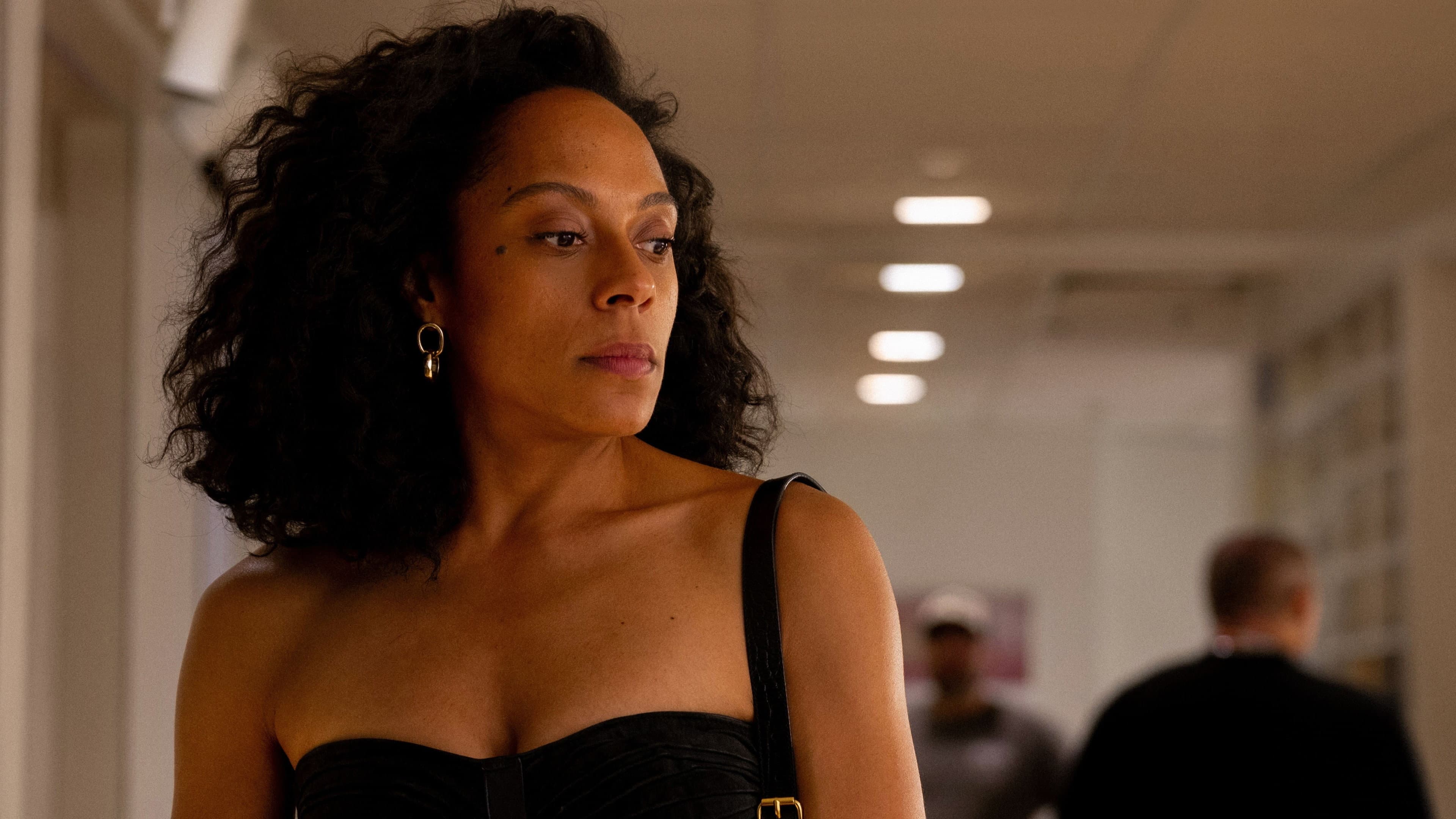
Eleazar's Misty is the film's engine. She's not playing a victim or a firebrand; she's playing someone who has had a long time to think about what went wrong and still isn't entirely sure. The performance leans on small things - the way she handles being recognized by someone who can't place her, the way she listens in a room full of people deciding her future. It's a role that could easily tip into self-pity, and Eleazar never lets it.
Around her, Rock has assembled a deep bench. Adam Driver plays Zach, Daniel Kaluuya plays Jordan "Jay" Green, and Anna Kendrick plays Naomi - each of them a distinct kind of industry adjacent presence, the people who orbit a career like Misty's and whose own stakes keep shifting. Chris Rock himself appears as Jordan Green, Topher Grace turns up as Randy, and Alexandra Shipp, Amy Landecker, and a host of others fill out a world that feels lived in rather than assembled. The casting is sharp in the way that matters: it's full of actors audiences already have relationships with, which lets them slide into the film's ecosystem without a lot of throat-clearing.
At 103 minutes, the film moves. Rock has always been an economic director, and this is his most restrained work behind the camera yet - less showy, more interested in the cadence of conversation than in set pieces. There are sequences here that play like small plays, and the film trusts its performers to carry them. The comedy isn't punchline-driven; it comes from the absurdity of an industry that treats reinvention as both a business strategy and a moral imperative.
The film's timing - arriving in the middle of awards conversation season, though that's not necessarily where it's headed - invites the easy comparison to other Hollywood-on-Hollywood stories. But Misty Green is less interested in satire than in observation. It's about what it feels like to be told, at a certain point, that your moment has passed, and to decide that the moment was never yours to begin with. The TMDb rating sits at a respectable 6.9 out of 10, which tracks for a film that's subtler than its awards-season adjacency might suggest. It's not a crowd-pleaser, exactly, but it's a film with a pulse.
What's most interesting is how Rock handles the second-act premise. He doesn't stage a big comeback - no studio head rising from behind a desk, no tearful audition that saves the day. Instead, the film is about the accumulation of small choices and the slow dawning of a different kind of awareness. Misty's fight isn't with a system, exactly; it's with the version of herself that bought into the system's terms.
By the end, the film has earned its gentle optimism. Misty Green isn't out to reinvent the showbiz story. It's out to remind you that behind every stalled career is a person who's still working, still thinking, and not yet finished. That's a modest thesis, but Rock and Eleazar make it land.