The horror genre has always had its architects, its mad scientists, and its poets. But few - if any - have managed to hold a mirror to our darkest anxieties with the sly, intellectual wit of Wes Craven. Today, on September 7, 2026, a new documentary arrives to remind us why his name still sends a shiver down the spine of cinema. Remembering Wes Craven: His Life, Legacy and Nightmares isn’t just a retrospective; it’s a séance, pulling the master of fright back into the room through the voices of those who knew him best.
Heather Wixson, a journalist whose deep affection for practical horror is well documented, steps behind the camera for this feature-length portrait. Clocking in at 108 minutes, the film promises to be less a standard talking-heads recap and more an intimate excavation of a restless creative mind. Craven, who passed away in 2015, left behind a filmography that swings from the brutal survivalist shock of The Last House on the Left to the self-aware, postmodern playground of Scream. Wixson’s challenge is to find the connective tissue between those extremes - and she’s assembled a dream team of survivors to help her do it.
Release Date & Where to Watch
The wait is officially over. Remembering Wes Craven: His Life, Legacy and Nightmares debuts today, September 7, 2026, exclusively on OTT Stories. For subscribers, this is a no-miss premiere, arriving just as the autumnal spooky season gears up. There is no theatrical window currently announced; this is a streaming-first event, designed for the platform’s core demographic of genre enthusiasts. You can stream it in its original English language, presented in high definition, starting at 12:01 AM Pacific Time. If you’re not yet subscribed, OTT Stories typically offers a free trial period, which is more than enough time to carve out an evening for this one. Given the star power involved, you’ll want to clear your calendar and dim the lights.
Cast & Crew
The genius of this documentary lies in its access. Director Heather Wixson has curated a roster of interviewees who don't just admire Craven from afar - they bled for him. Leading the charge is Heather Langenkamp, the eternal Nancy Thompson, who battled Freddy Krueger across multiple films and whose real-life experiences with obsessive fandom Craven later channeled into New Nightmare. Her perspective is invaluable, bridging the gap between the franchise’s on-screen terror and its meta-textual labyrinth.
Joining her is Adrienne Barbeau, the formidable voice of The Fog and a star of Craven’s underrated 1984 fright-fest Swamp Thing, offering a veteran’s take on his early studio years. Michael Berryman, whose haunting visage graced The Hills Have Eyes, provides a ground-level view of Craven’s guerilla filmmaking tactics out in the desert. On the craft side, editor Patrick Lussier - who cut Scream 3 and later directed Dracula 2000 - adds technical insight into how Craven built suspense in the editing room.
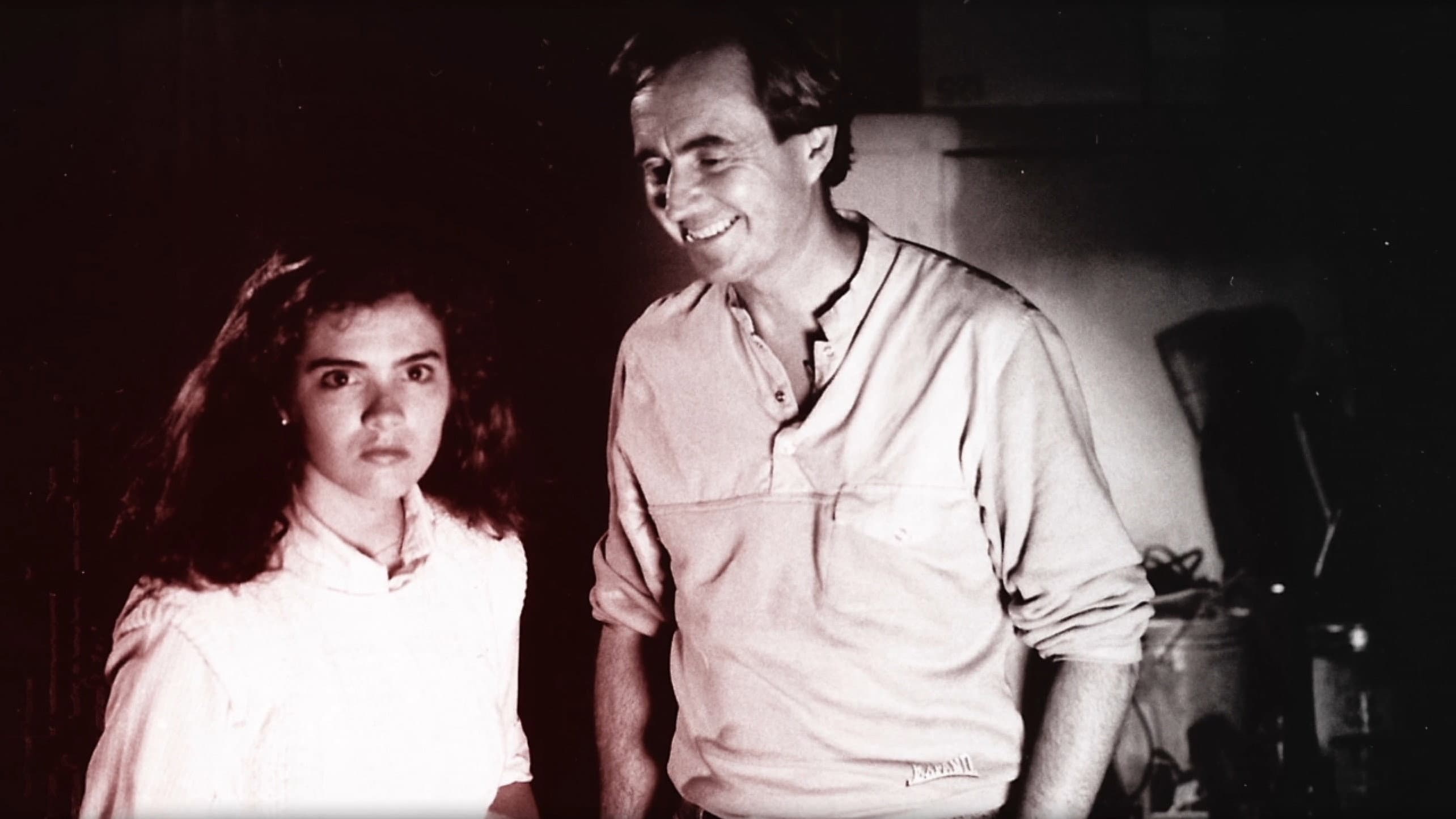
Perhaps the most poignant inclusion is Robert Shaye, the founder of New Line Cinema, seen in archive footage. Shaye was the "House that Freddy Built" boss who took a gamble on a low-budget screenplay about a child murderer in a striped sweater. His archival presence grounds the narrative in the business realities of horror, reminding us that Craven’s art was always fighting for studio survival. Wixson herself is the anchor, having previously covered the horror beat for outlets like Dread Central, and her questions feel informed, empathetic, and laser-focused.
Story & What to Expect
Do not expect a simple chronological highlight reel. Wixson’s structure appears to be thematic, weaving Craven’s life story through the lens of his recurring obsessions: the corruption of innocence, the unreliability of dreams, and the toxicity of the nuclear family. The documentary opens with a discussion of his strict Baptist upbringing, a detail that explains the puritanical guilt dripping from his early work. Where many directors used horror as escapism, Craven used it as confession.
The film delves deep into the production hell of A Nightmare on Elm Street, using the archive footage of Shaye to recount how the studio nearly passed on the project. It also tackles the decade-long slump in the late 80s and early 90s, where Craven struggled to find footing amid sequels and studio interference. The section on Wes Craven's New Nightmare promises to be a standout, dissecting how he deconstructed his own creation years before Scream made meta-horror mainstream.
Expect a generous amount of archival behind-the-scenes clips, early storyboard sketches, and script pages. The editing pace is brisk but not frantic, allowing the talking heads to breathe. Lussier’s segments are particularly fascinating, as he walks through specific jump scares frame by frame, showing how Craven used negative space and sound design to trick the audience’s eye. There are also moving tributes to his later work, including Music of the Heart - a brief nod to his desire to be seen as more than just a horror man, proving that the legacy is more nuanced than the "Scream King" moniker suggests.
Why It's Worth Watching
In an era where horror documentaries are a dime a dozen, Remembering Wes Craven distinguishes itself through its respect for the subject’s duality. Craven was a former humanities professor who happened to make movies about razor-fingered demons and cannibalistic hillbillies. He was an intellectual who never condescended to his audience. This film captures that paradox beautifully.
For younger viewers who only know Craven via the Scream reboot or the Elm Street remake, this serves as an essential history lesson. For those who grew up renting VHS tapes, it’s a touching reunion with familiar faces. Langenkamp’s confession about her complicated relationship with the role of Nancy - how she felt typecast but eventually came to embrace it as a badge of honor - is worth the price of admission alone. Likewise, Berryman’s stories about the physical toll of the desert shoot are visceral reminders of how much practical dedication the old-school craft required.
Wixson understands that Craven’s true legacy isn’t just the blood and the scares; it’s the intelligence behind them. Her film argues that Craven used horror as a safe space to discuss real trauma - abuse, parental neglect, and societal hypocrisy - all while making us jump out of our seats. The documentary closes on a reflective note, suggesting that Craven’s nightmares were always a way of processing the waking world’s very real terrors.
Whether you’re a hardcore devotee or a casual fan, Remembering Wes Craven: His Life, Legacy and Nightmares offers over 100 minutes of heartfelt, insightful, and occasionally chilling conversation. It’s a fitting tribute to a man who taught us that the monsters under the bed are rarely the ones that kill us - it’s the ones in our heads. It streams today, and it’s worth every scream.