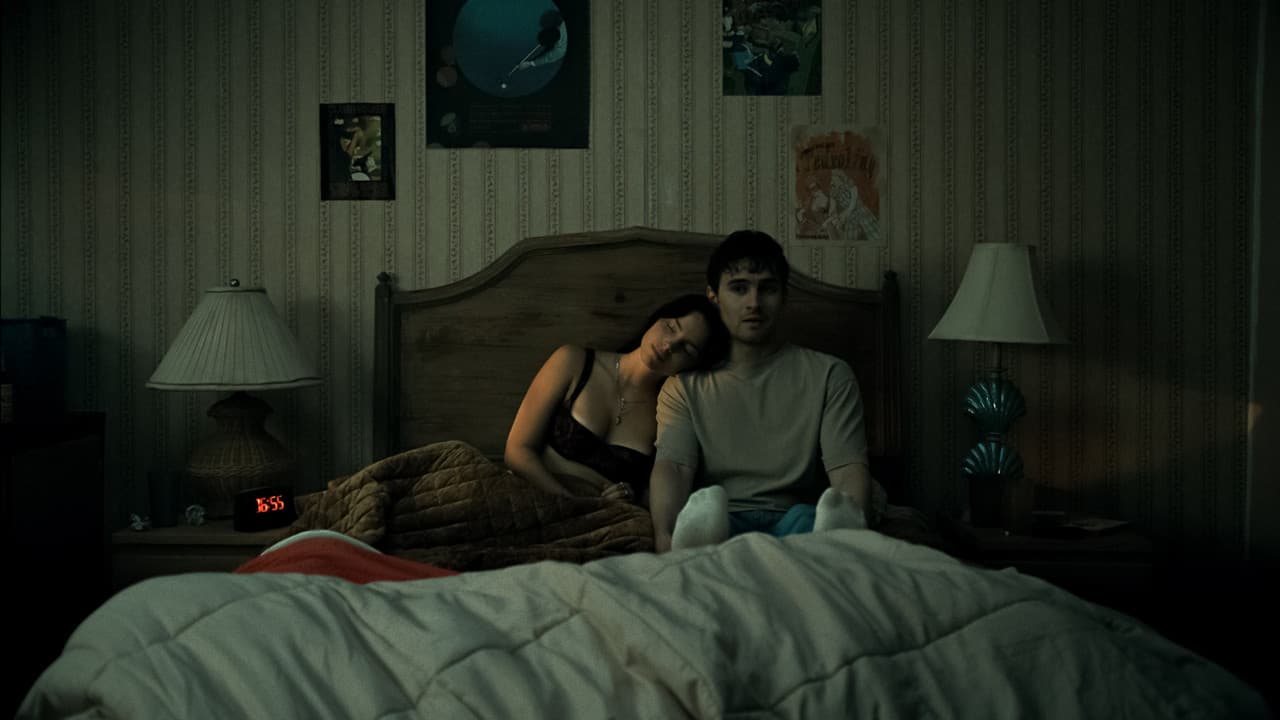
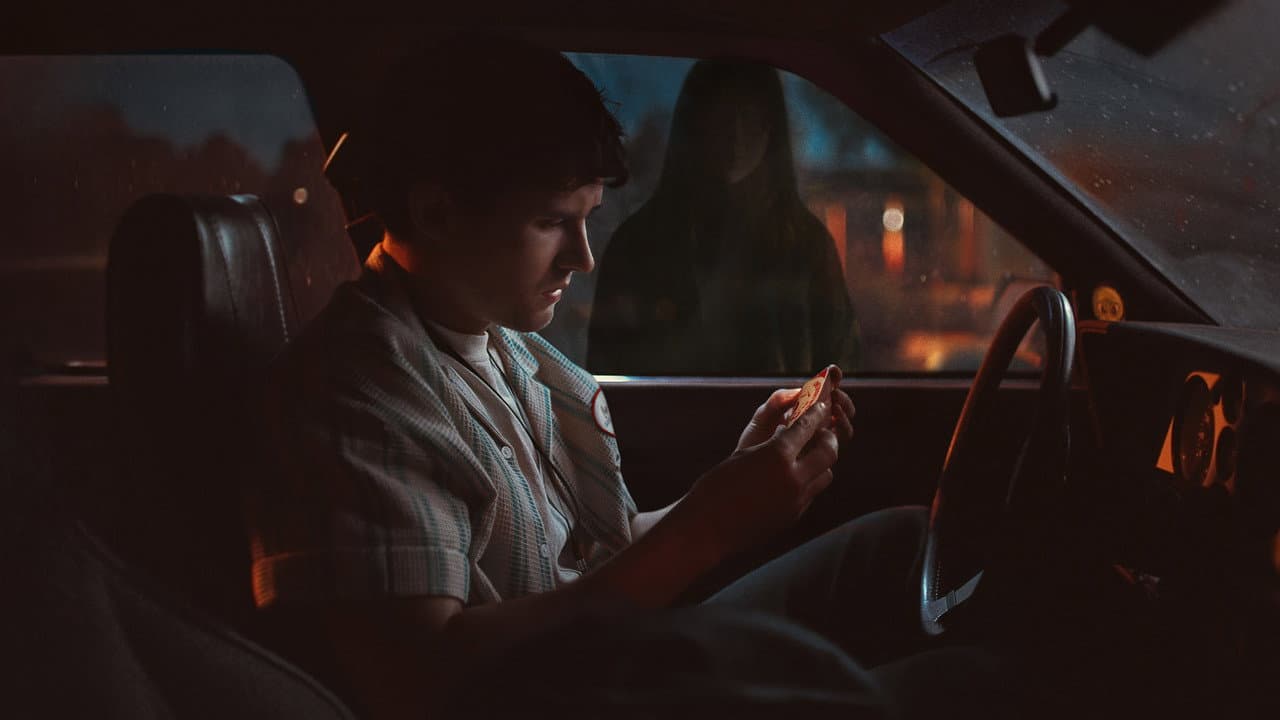
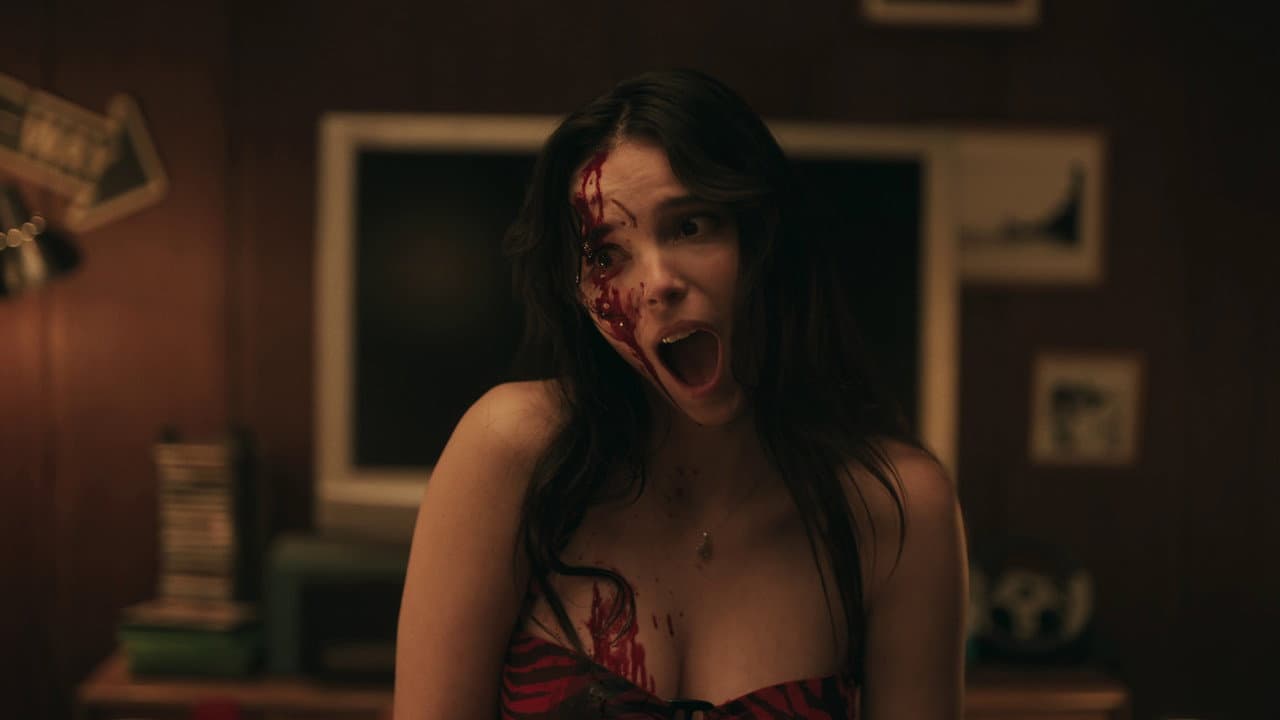
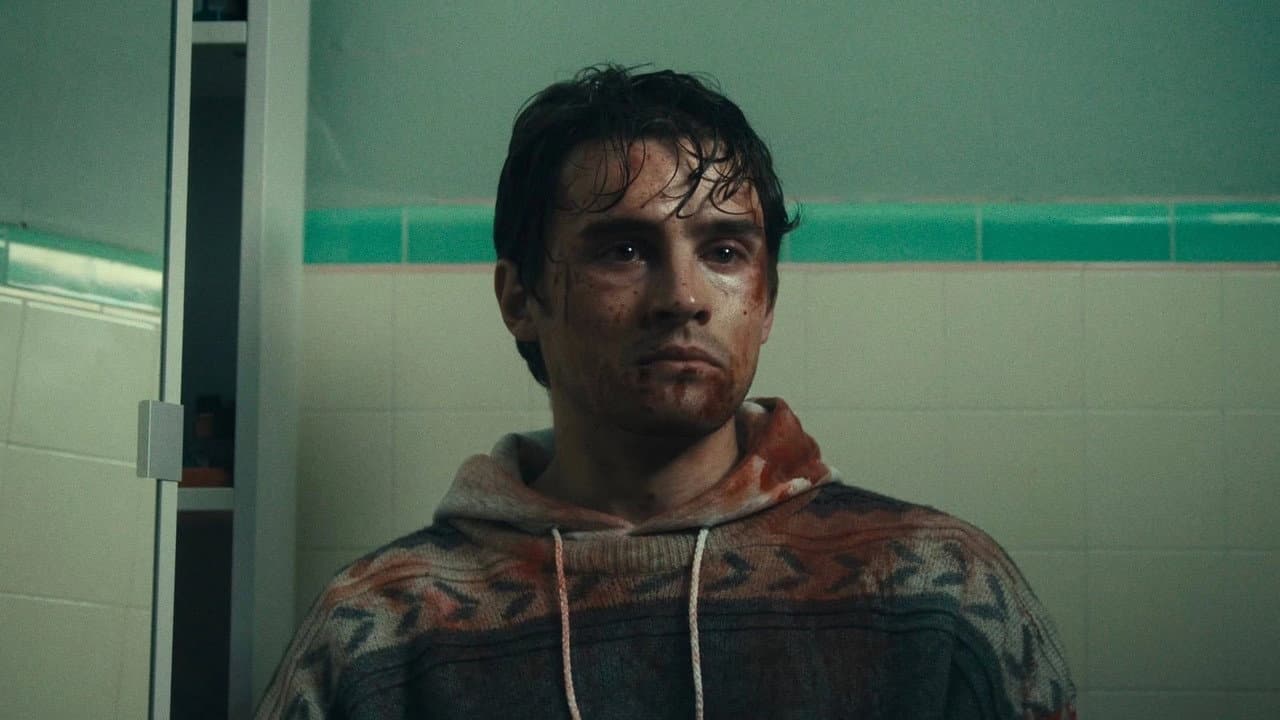
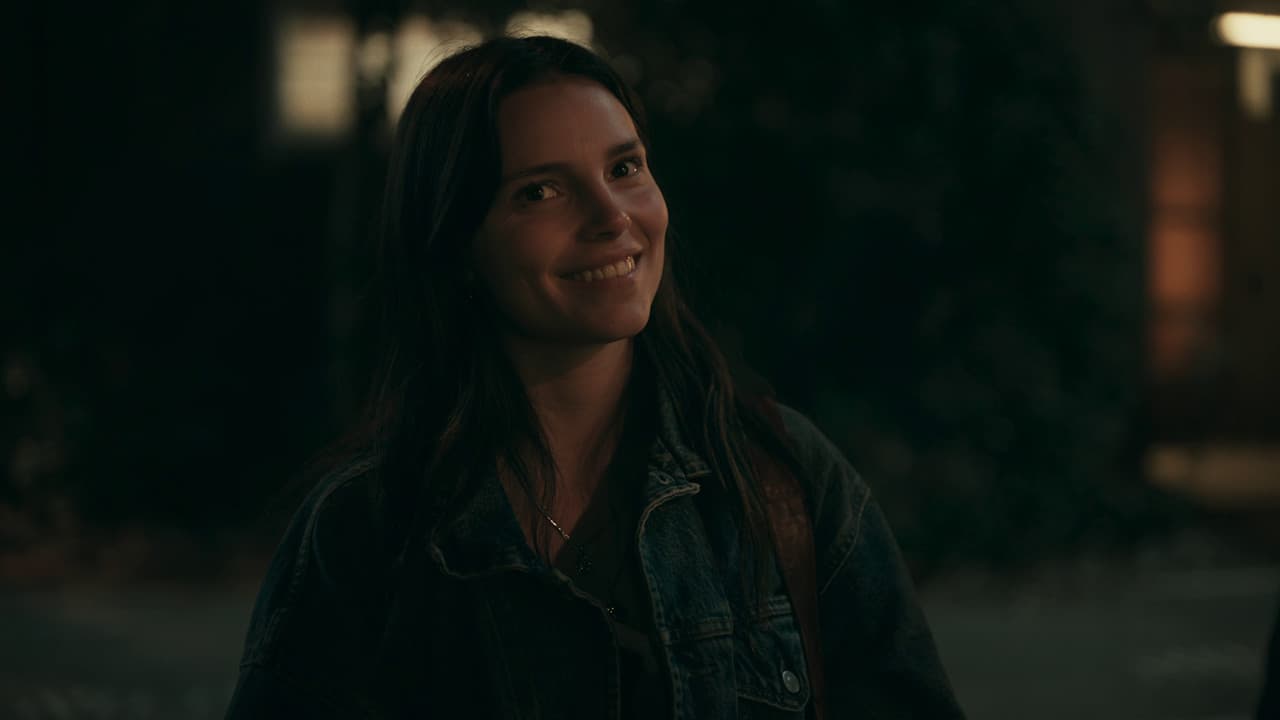
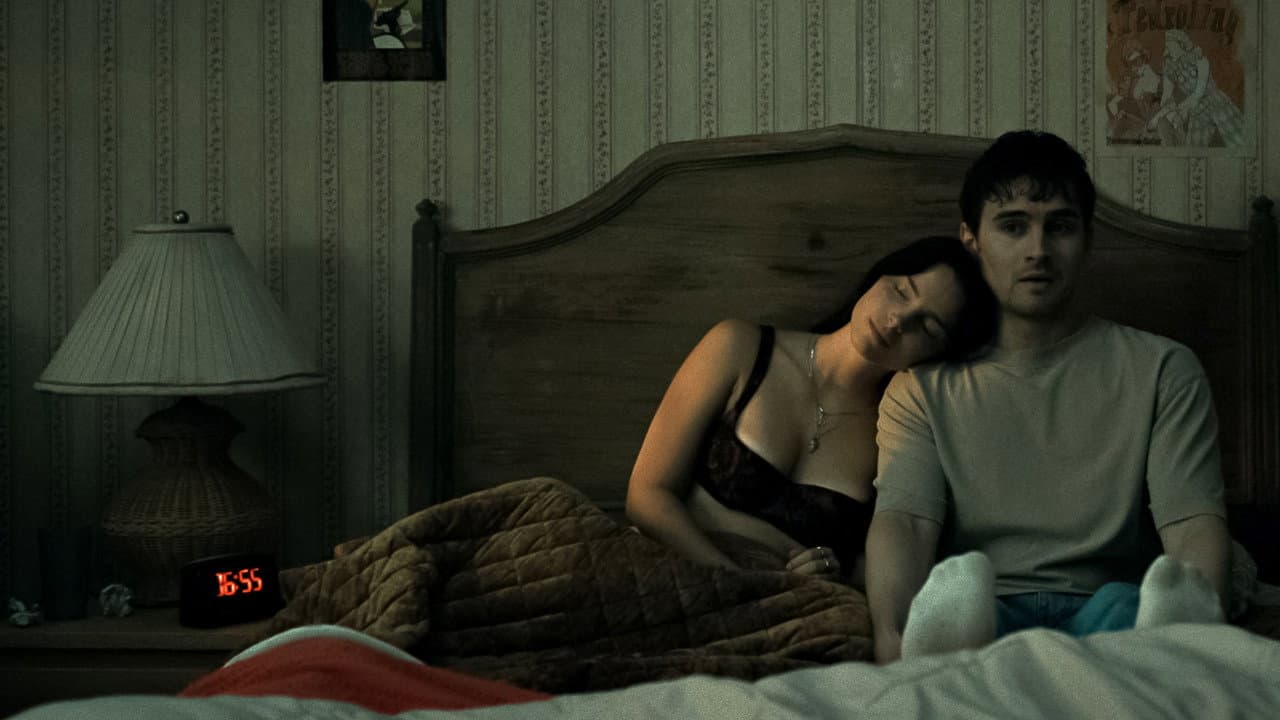
Curry Barker, best known for his twist-heavy short films, brings a lean, aching control to Obsession. The first act is a masterclass in uncomfortable dread: every moment of Bear’s wish fulfillment feels wrong, like a smile that doesn’t reach the eyes. Michael Johnston’s Bear is perfectly calibrated as a decent guy making terrible choices, his face a mask of guilty exhilaration as his fantasy curdles. Inde Navarrette’s Nikki, meanwhile, shifts from warm to hollow with unnerving precision - her performance is the film’s secret weapon, selling the idea that love can feel like a locked room.
The script, also by Barker, avoids the trap of over-explaining the willow’s rules. We never get a boring monologue about ancient curses or woodland spirits. Instead, the horror emerges from behavior: Bear’s obsession mirrors the tree’s corruption, turning him into a passive passenger in his own life. Cooper Tomlinson and Megan Lawless ground the film as the worried friends, and Andy Richter - yes, that Andy Richter - delivers a brief, disquieting turn as Carter, a local who knows more than he lets on. Haley Fitzgerald’s Viola and Anthony Pavone’s Reggie fill out the margins with believable unease.
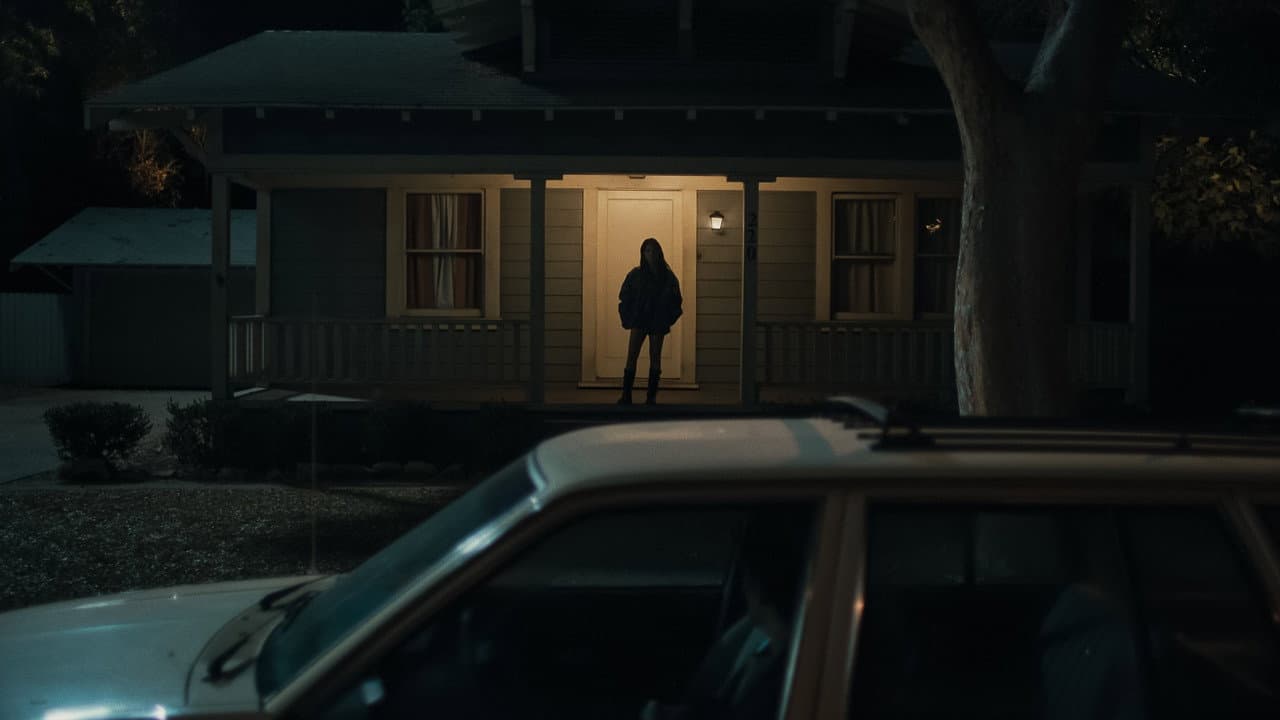
The cinematography is moody without being grimdark; Barker and his DP favor wide, creeping shots that make suburban streets feel like a trap. The sound design deserves special mention - a low hum that builds in scenes of domestic tension, mimicking the willow’s unseen influence. The horror here is psychological, not visceral, though a couple of practical-effect gore moments land with a wet thud.
Where Obsession stumbles is in its final stretch. The third act introduces narrative redundancies - characters making the same “I have to fix this” decisions so often that the tension briefly flatlines. Also, the willow’s logic becomes a bit slippery; we’re never entirely sure why it behaves differently with Bear than with its previous victims, which undercuts some of the tragic inevitability the script is aiming for. At 109 minutes, a few scenes could have been trimmed to tighten the spiral.
Still, these are minor quibbles against a film that earns its creepiness through character, not convenience. Barker trusts the audience to sit in the discomfort without constant payoff, and that restraint pays off in a climax that feels earned, if not entirely neat.