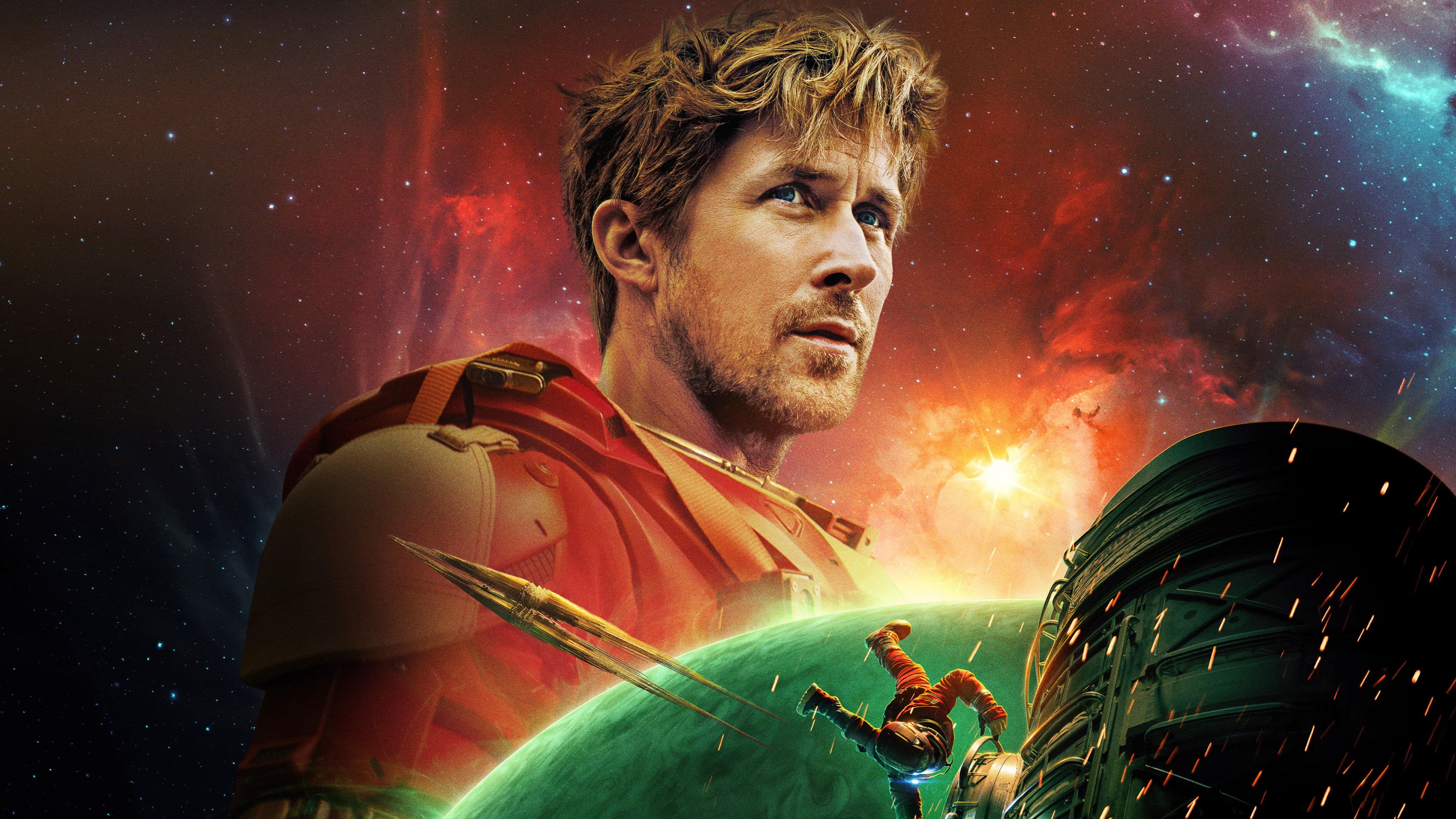
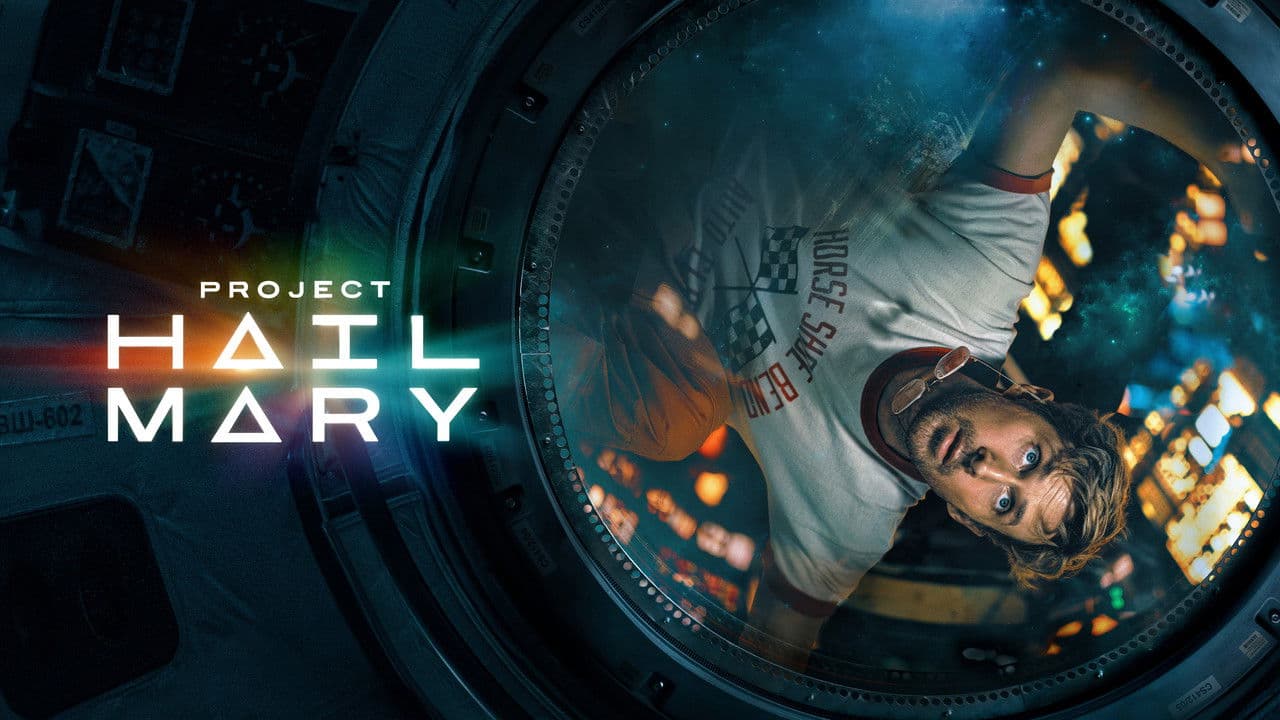
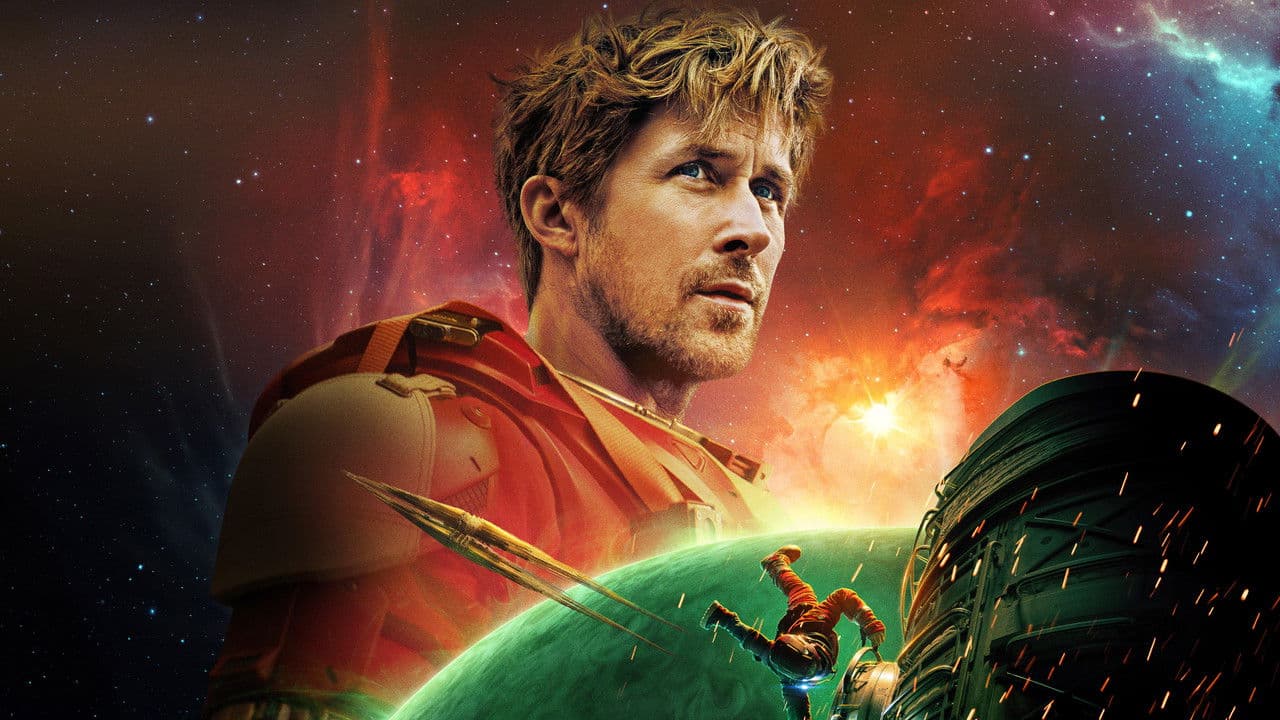
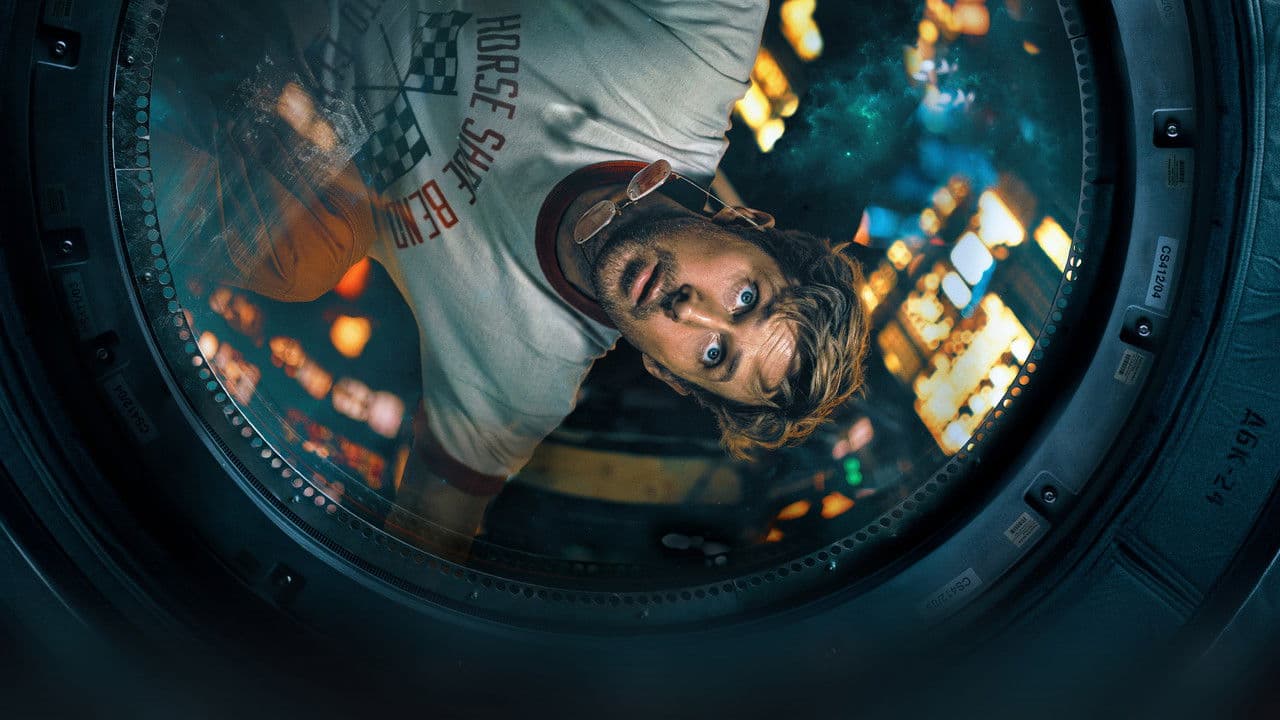
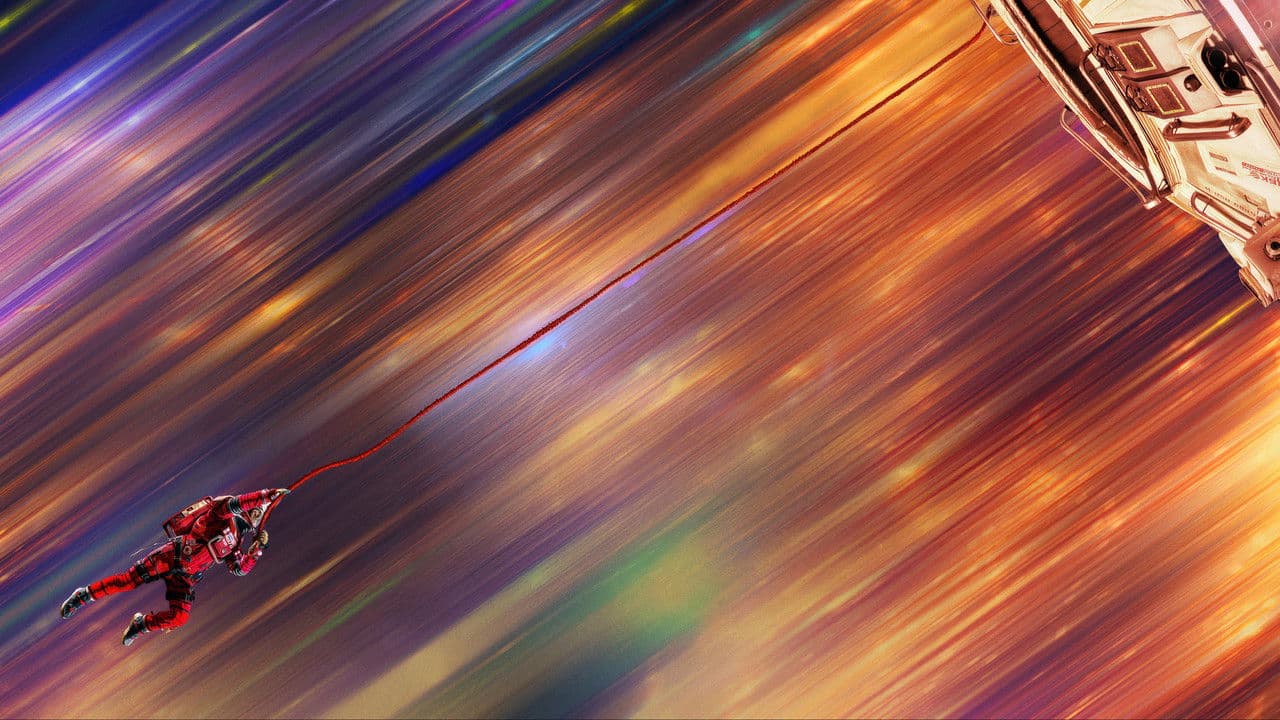
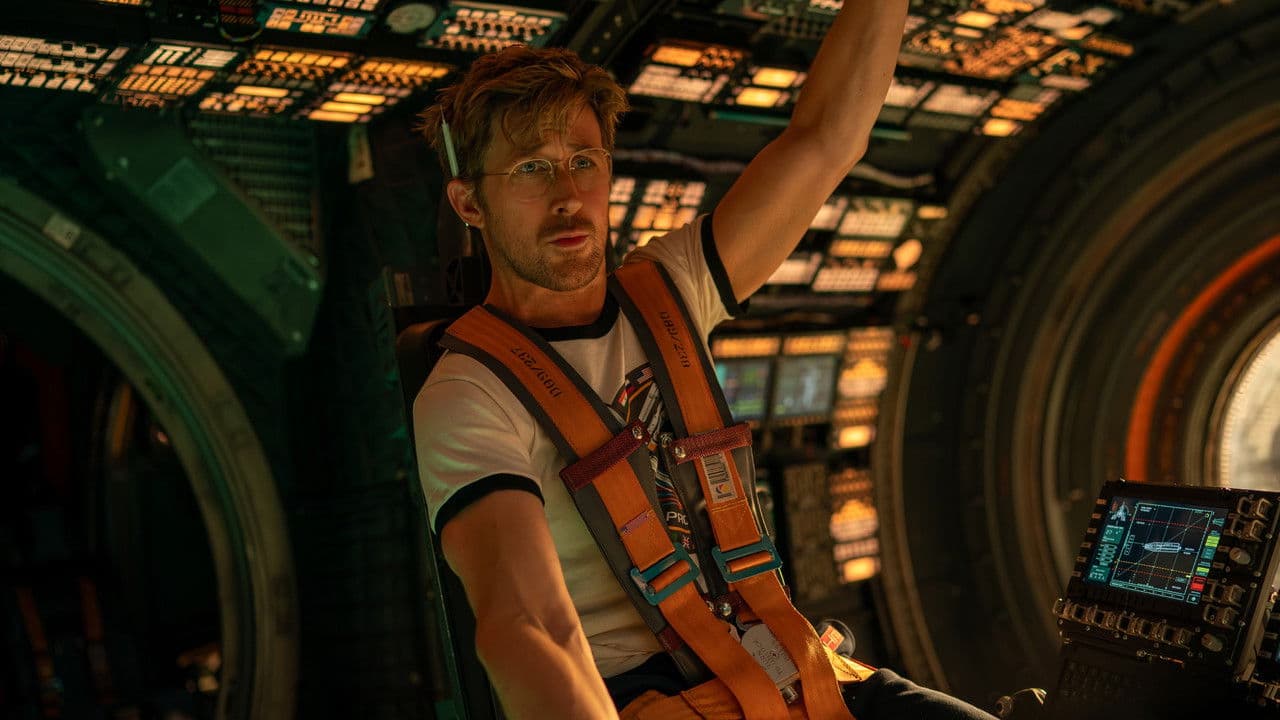
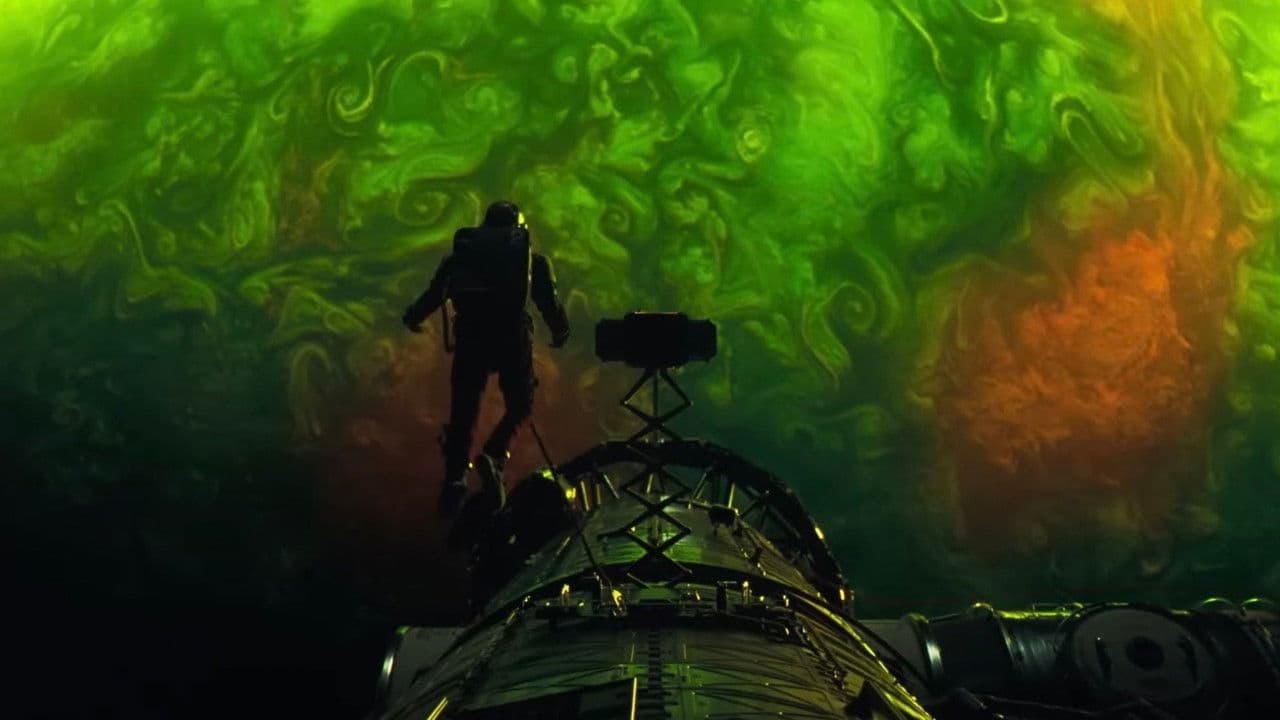
Lord understands that Project Hail Mary is, at its core, a story about problem-solving as an act of love. Every scene is a miniature engineering puzzle: How do you create an atmosphere Rocky can survive in? How do you harvest fuel from a dying star without incinerating yourself? How do you teach an alien the concept of a “trade” when he perceives you as a squishy bag of water? Lord stages these sequences with the same propulsive energy he brought to Miles Morales learning to swing through Brooklyn. The spaceship Hail Mary feels tactile, its corridors cramped and cluttered with jury-rigged equipment. The zero-gravity sequences - shot with a combination of practical rigs and subtle digital manipulation - never feel weightless in the cheap, video-game sense. There is real consequence to every tumbler and near-collision.
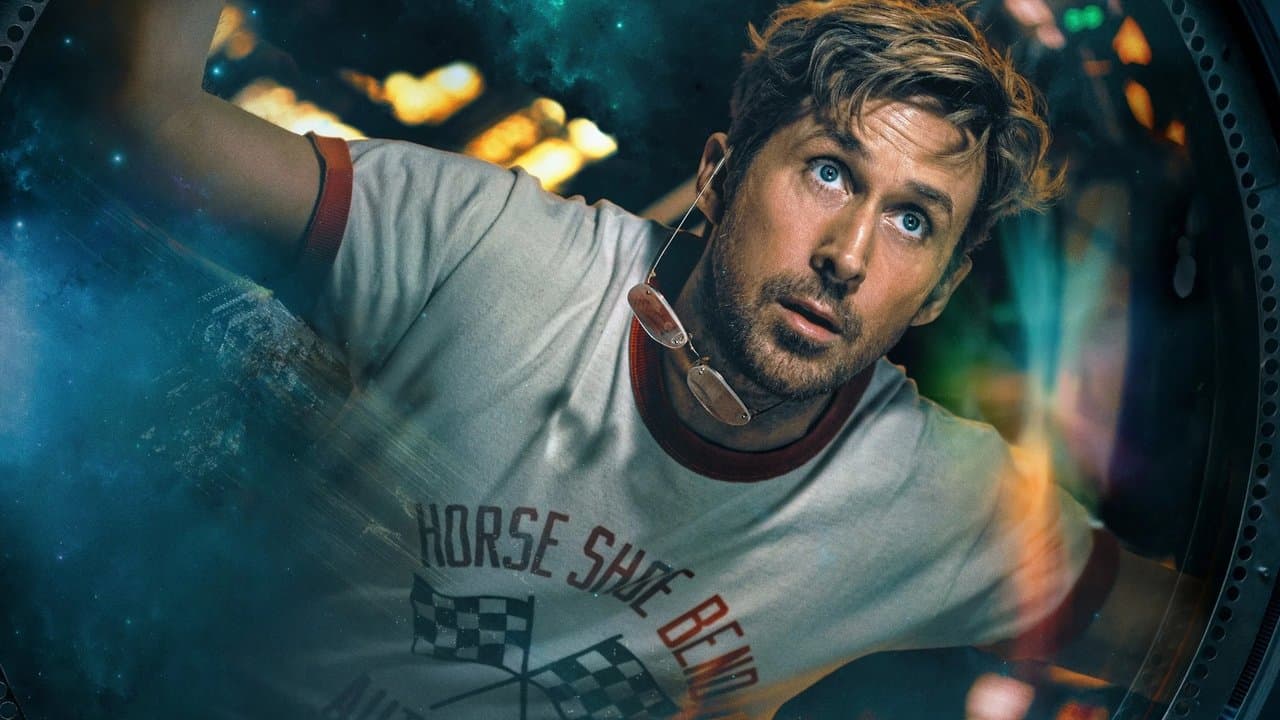
Gosling is a marvel. His Ryland Grace starts as a blank slate - amnesiac, terrified, fumbling through a ship he doesn’t understand - and slowly re-inhabits the confidence of a man who once taught seventh graders the periodic table while juggling beakers. His comedy is bone-dry (a scene where he tries to explain the concept of “tables” to Rocky by miming a flat surface is pure physical farce), but his desperation is never far beneath the surface. When he records a goodbye message for the students he never thought he’d see again, Gosling lets the tears come without sentimentality. It’s a grown man’s grief, and it guts you.
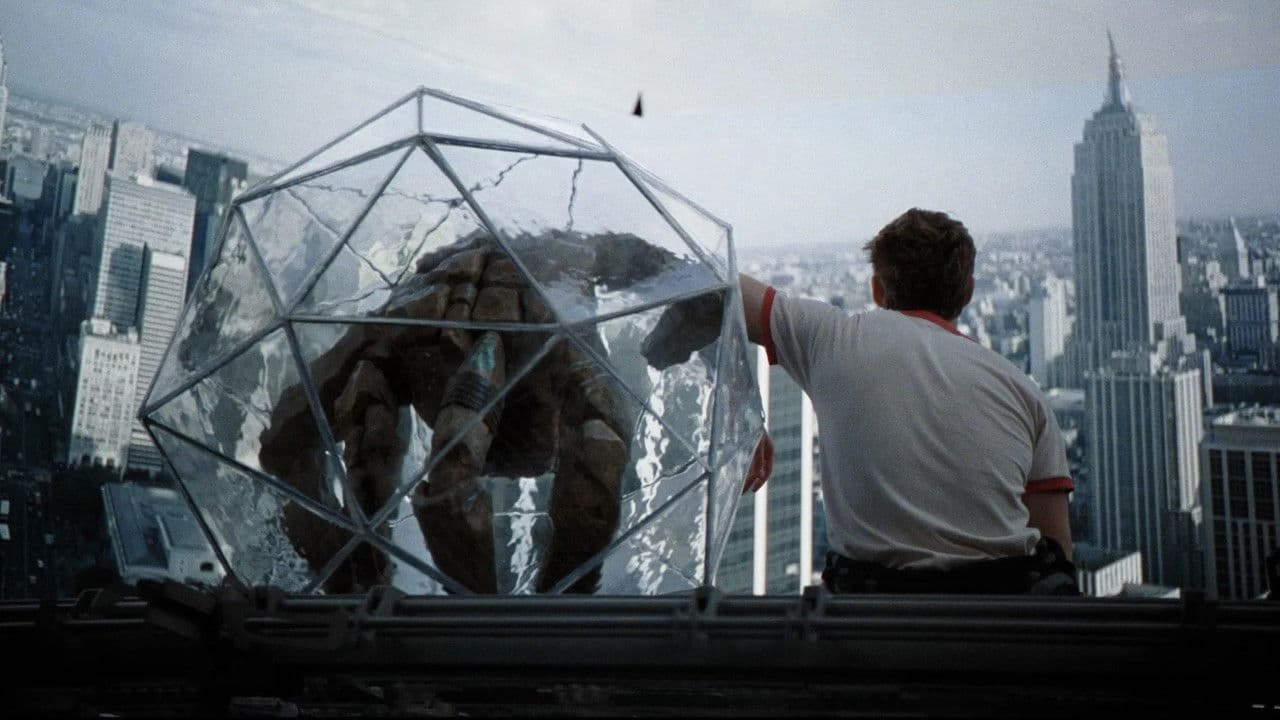
Sandra Hüller, as the ruthless project head Eva Stratt, appears mostly in flashbacks. She plays Stratt as a necessary monster: unflinching, willing to sacrifice a colleague for a percentage point of efficiency. Her scenes with Gosling crackle with moral tension. But the real revelation is James Ortiz’s vocal performance as Rocky. The alien’s language is a series of pitched hums and chimes, subtitled in English, and Ortiz modulates those sounds with a warmth and playfulness that makes you forget you’re watching a puppet made of digital crystals. The moment Rocky “sings” back a melody Ryland has been tapping out - a crude approximation of a lullaby - is the most emotionally direct scene in any film this year.
Lord does take liberties. The novel’s sprawling middle section - weeks of trial and error on an alien planet - is condensed to a montage that loses some of the methodical joy. And at 157 minutes, the final act drags slightly during a long sequence of landing mechanics. But these are quibbles with a film that otherwise nails its tone: hopeful without being saccharine, scientific without being dry, and human without being sentimental.