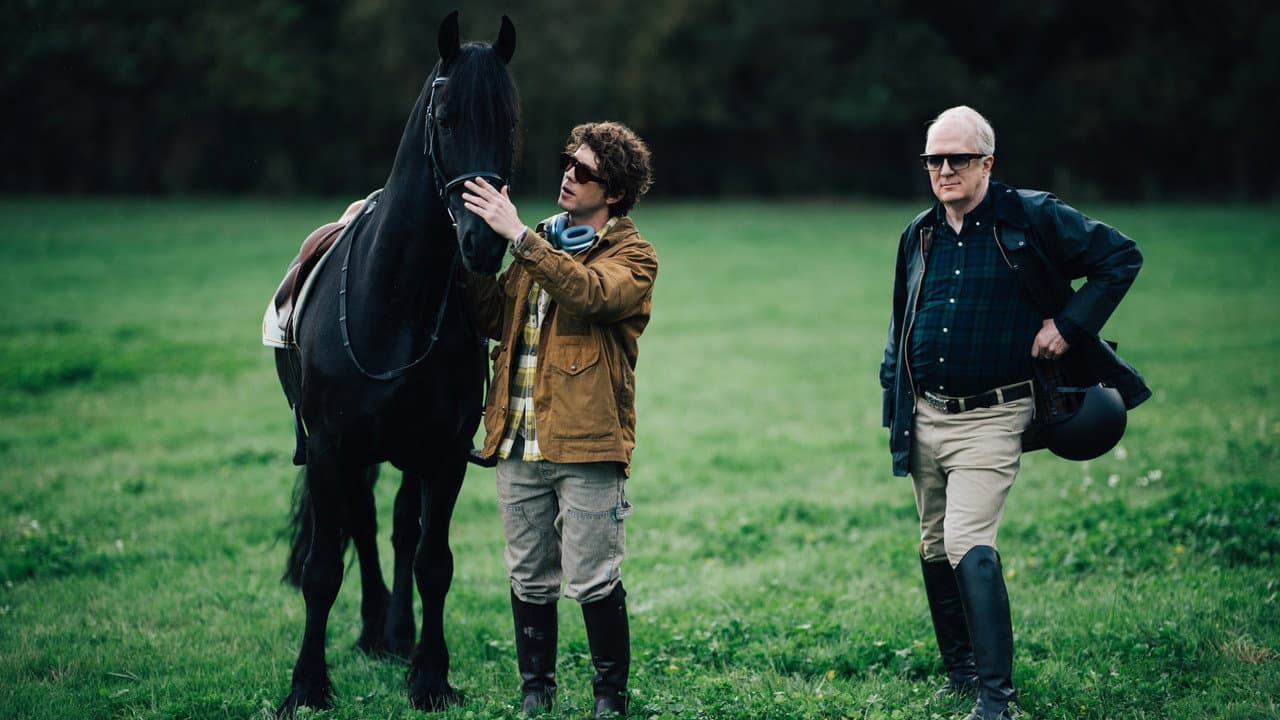
The Spanish sun beats down on the villa’s ochre walls, but inside, a different kind of heat is building. It’s the oppressive, claustrophobic warmth of shared blood and unspoken resentments, and it’s the atmosphere that defines Rosebush Pruning, Karim Aïnouz’s taut and unsettling new drama now streaming. Released in April to a respectable 6.5 TMDb score, the film is a study in corrosive inertia, a portrait of wealth that doesn’t liberate so much as it mummifies.
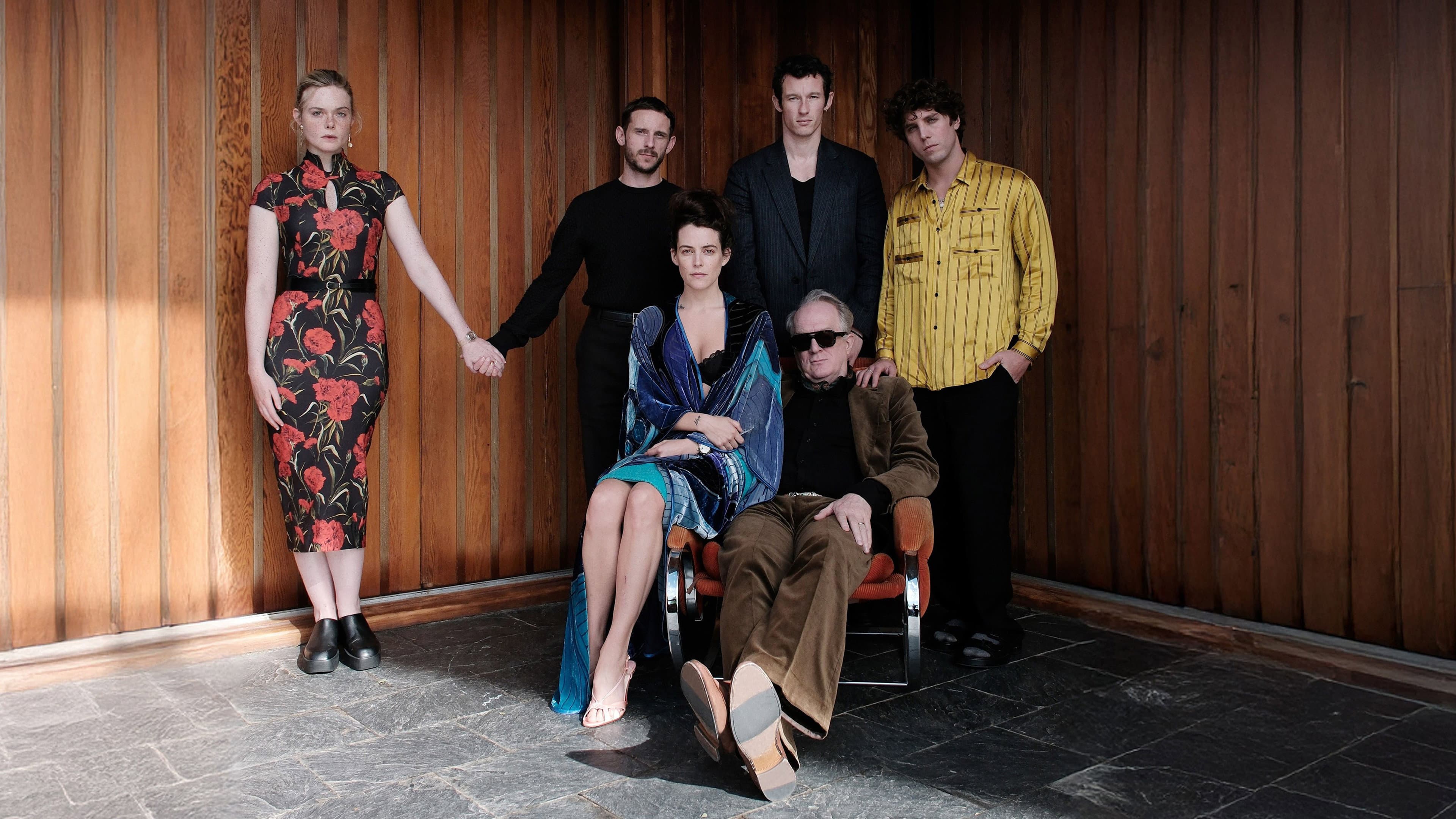
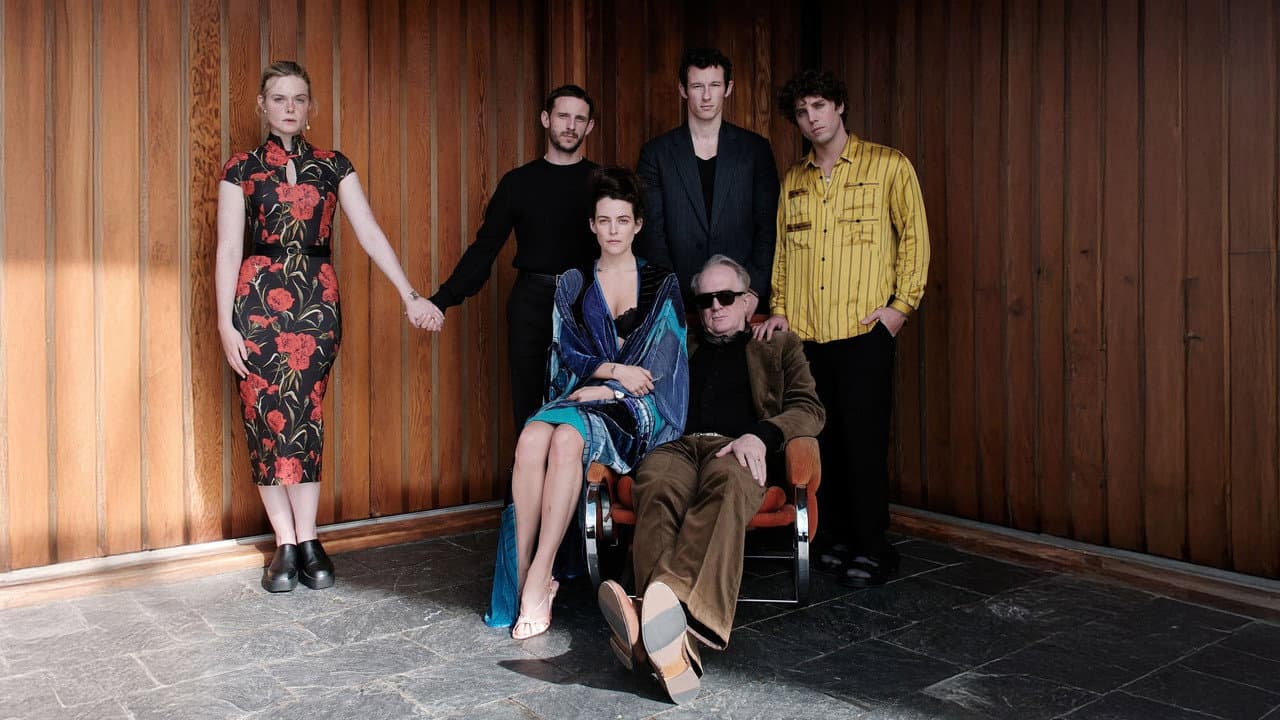
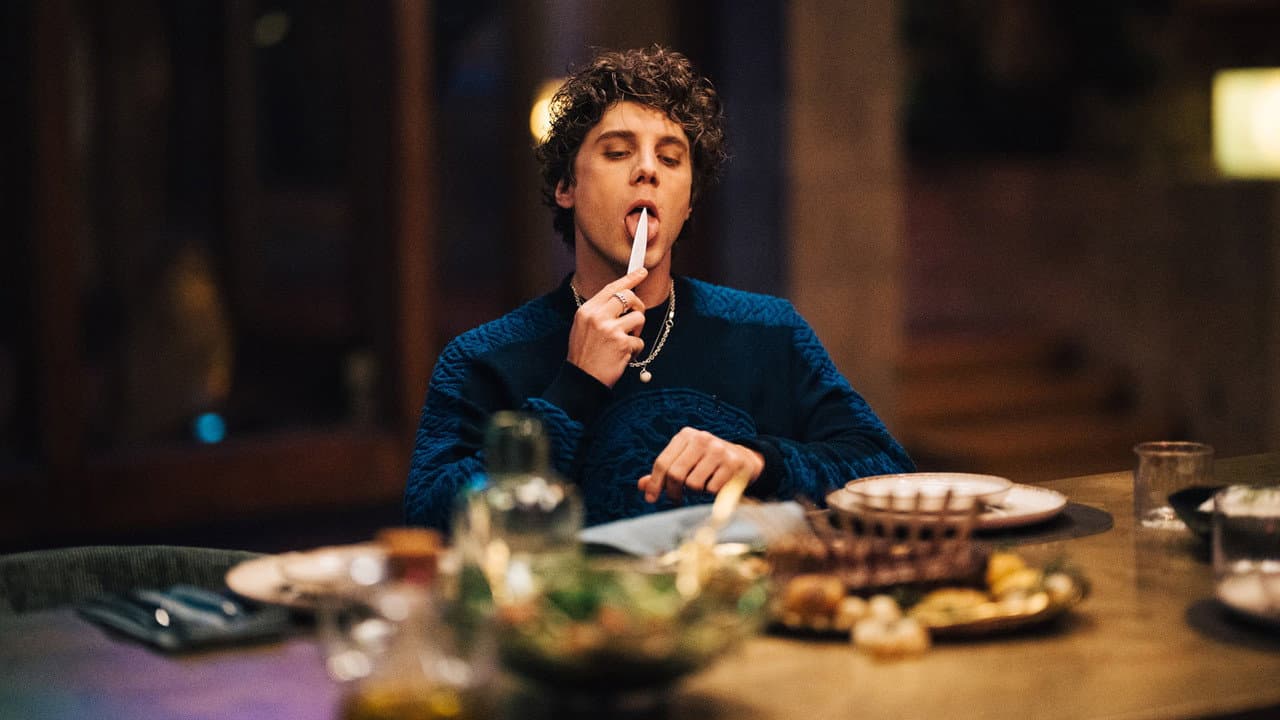
The setup is elegantly simple. Four American siblings - Ed (Callum Turner), Anna (Riley Keough), Jack (Jamie Bell), and Robert (Lukas Gage) - are marooned in their late mother’s Spanish estate, nursing their inheritance like a bottle of rare, poisoned wine. They don’t work. They don’t seem to have friends. Their lives are a series of languid rituals: long, sterile meals, aimless swims, and the quiet territorialism of people who have never had to fight for anything except each other’s attention. The villa is a prison of luxury, and Aïnouz shoots it with a painterly eye, finding the deep shadows in the marble hallways and the merciless glare of the terrace where the family’s secrets are left to sun-bleach.
The inciting incident arrives with Jack’s announcement that he wants to move in with his girlfriend, Martha (Elle Fanning). It’s a perfectly reasonable desire, and that’s precisely what makes it so dangerous. For this family, normalcy is a contaminant. Jack’s bid for independence is treated less like a life choice and more like a betrayal of the collective pact to remain frozen in a state of prolonged adolescence. Bell plays Jack with a desperate, brittle charm, a man who’s trying to remember how to be a person outside the family’s gravitational pull. But the film belongs to Turner and Keough, who circle each other with the wary intensity of animals sensing a shift in the pack’s hierarchy.
Where Rosebush Pruning truly digs its thorns in is with Ed’s arc. His is the plot’s engine, a slowly turning screw as he begins to uncover the truth about their mother’s death. The surface story is one of grief and estate management; the undercurrent is something far more sinister. Aïnouz, who has a proven gift for psychological terrain (his work on Firebrand and The Velvet Underground demonstrated his knack for interiors both physical and mental), doesn’t stage a typical whodunit. Instead, he lets the truth leak out through sideways glances and half-finished sentences. The mother, played in haunting flashbacks by Pamela Anderson, is a spectral presence - alluring and toxic, a woman whose love was a currency she wielded with ruthless precision.
The supporting cast adds rich, disturbing texture. Tracy Letts is perfectly cast as the father, a man whose presence is its own form of absence, a patriarch who has checked out but left the lights on. Anderson is a revelation in her brief scenes, shedding any pop-culture baggage to deliver a portrait of maternal manipulation that feels both theatrical and deeply real. Then there’s Lukas Gage’s Robert, the youngest, who observes the chaos with a wide-eyed passivity that is more unnerving than any outburst. He’s the family’s mirror, and what he reflects back is a funhouse distortion.
Tonally, the film is a shapeshifter, which might explain the mixed critical reception. It flirts with comedy in its early stretches - the absurdity of these privileged, hapless people fumbling through their own lives has a cringe-worthy humor to it. Jack’s attempts at domestic bliss are painfully awkward, and the siblings’ conversations often have the rhythm of an improv troupe that has forgotten the premise. But the laughter dies in your throat as Ed’s investigation intensifies. By the third act, the comedy curdles into full-bodied thriller, and the villa’s sun-drenched rooms start to feel like a pressure cooker. The shift isn’t always seamless; some viewers may find the gear change jarring. But it’s a bold choice that mirrors the family’s own fractured psyche. They can’t decide if they’re in a drawing-room farce or a gothic horror, so the film refuses to decide for them.
What makes Rosebush Pruning linger is its refusal to offer catharsis. The title itself is a metaphor of quiet violence - pruning is an act of cultivation, yes, but it is also a kind of sanctioned mutilation. The family has been pruning itself for generations, cutting away anything that doesn’t fit the manicured shape of their legacy. When the final credits roll, the branches are still bare. There’s no neat resolution, only the uncomfortable recognition that some families are not trees to be tended, but thickets you have to push through, bleeding, to ever get out.
Aïnouz has crafted a film that is less about a single mystery and more about the archaeology of a family’s decay. It’s a slow burn that demands patience, but for those willing to sit with its discomfort, it offers a sharp, thorny commentary on the ties that bind - and the ones that ought to be cut. In a streaming landscape crowded with noise, Rosebush Pruning is a quiet, unsettling whisper, the kind that keeps you up at night, checking your own reflection for cracks.