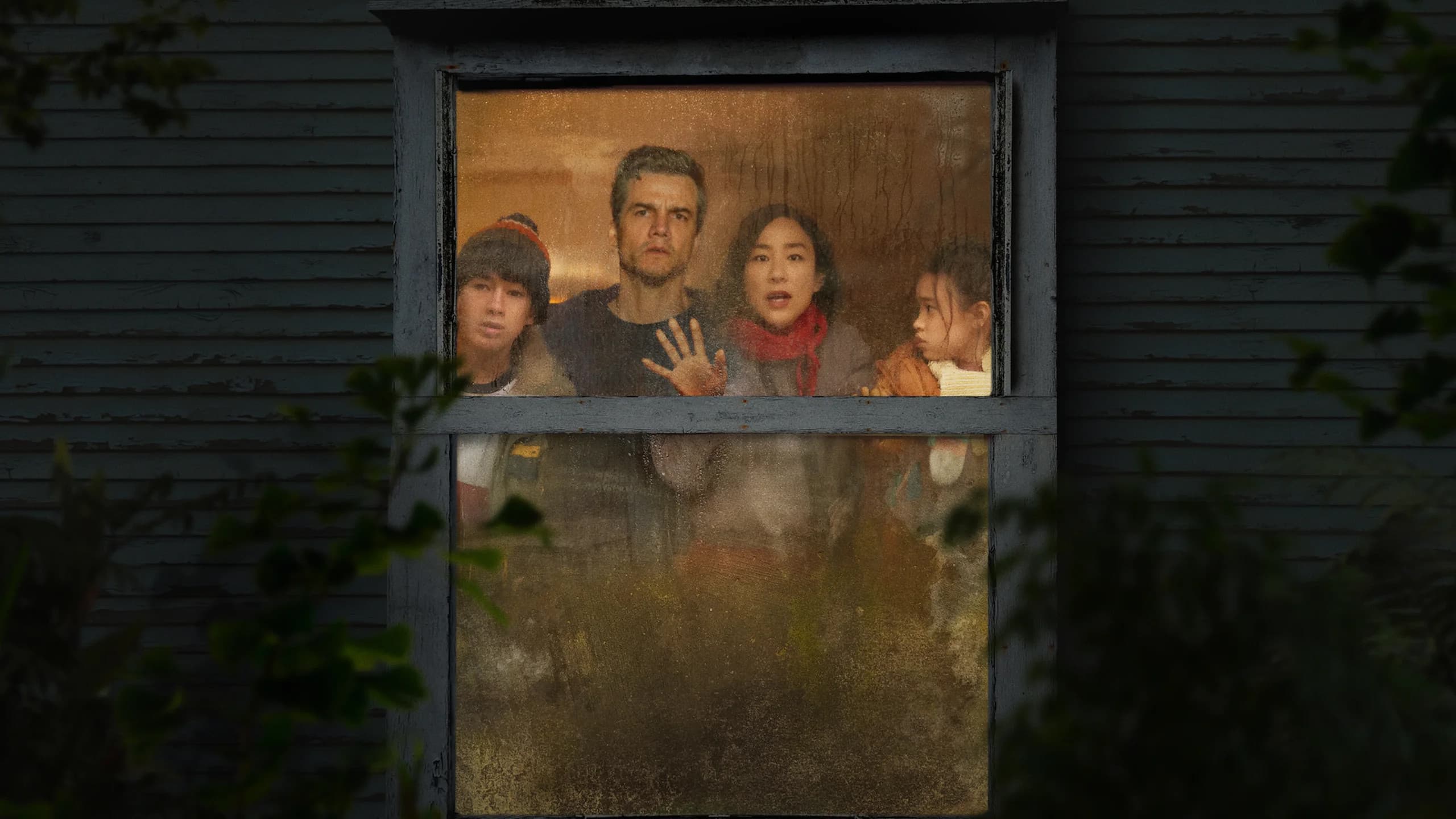
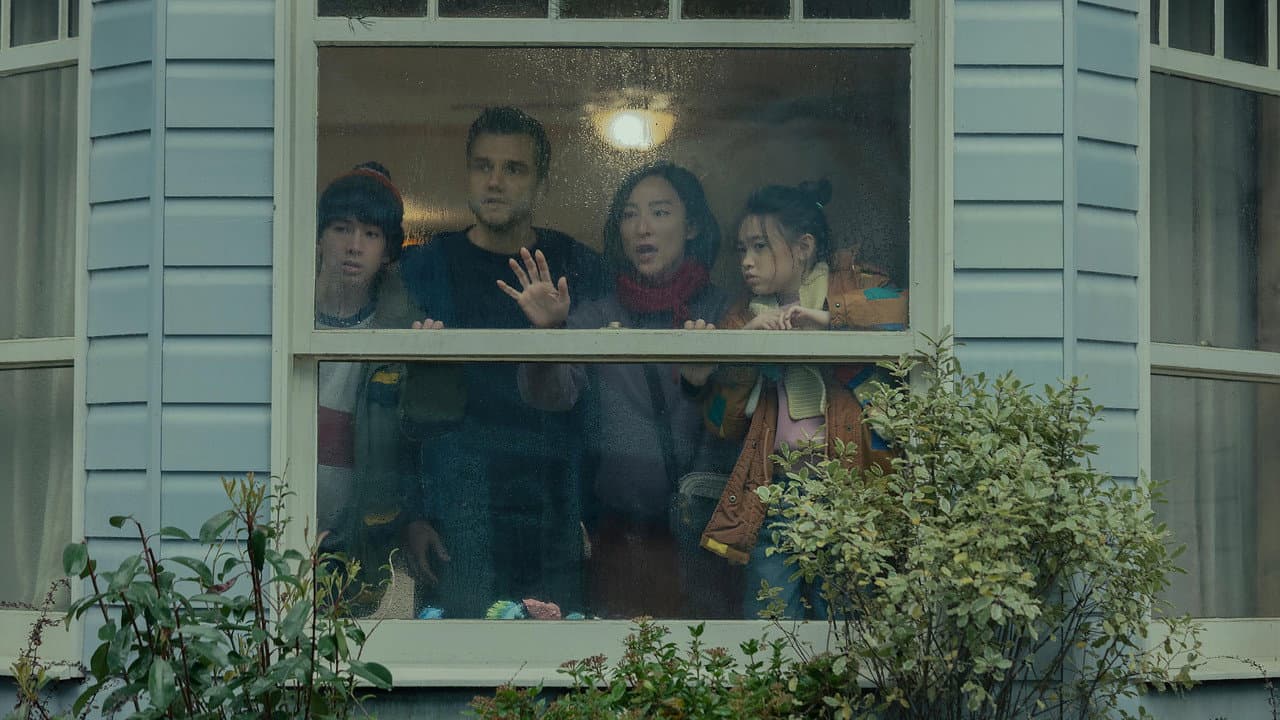
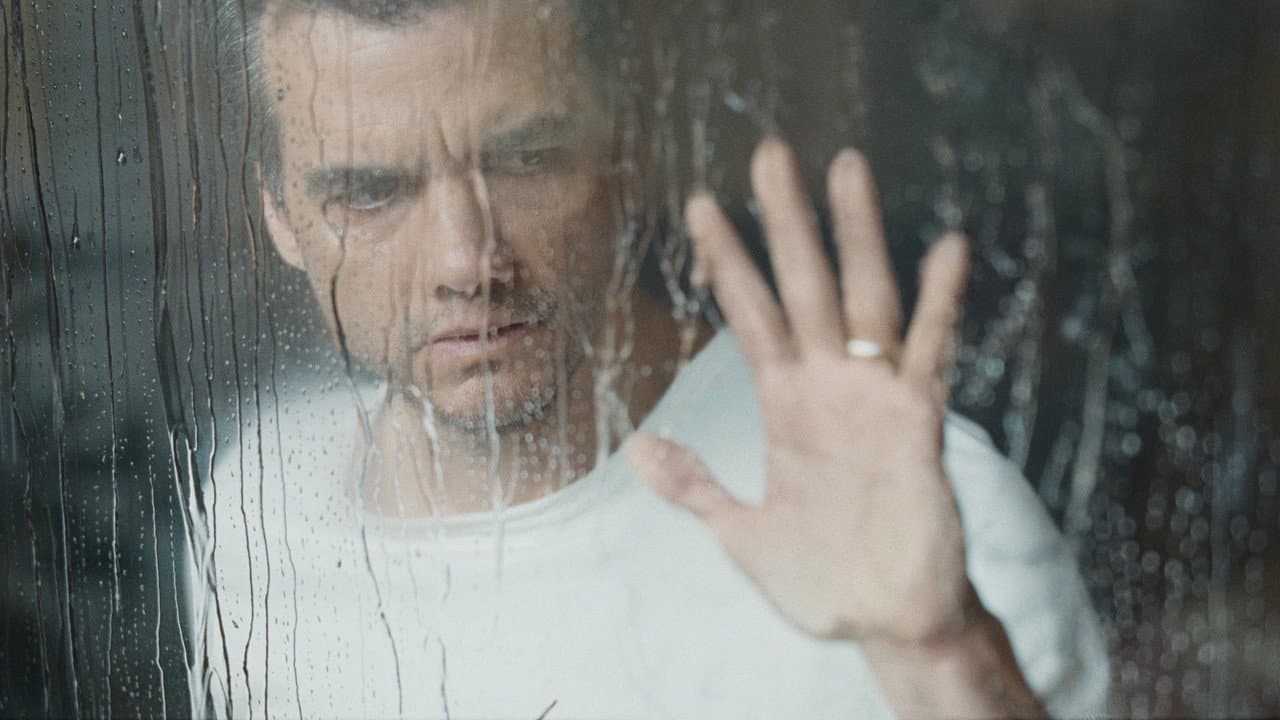
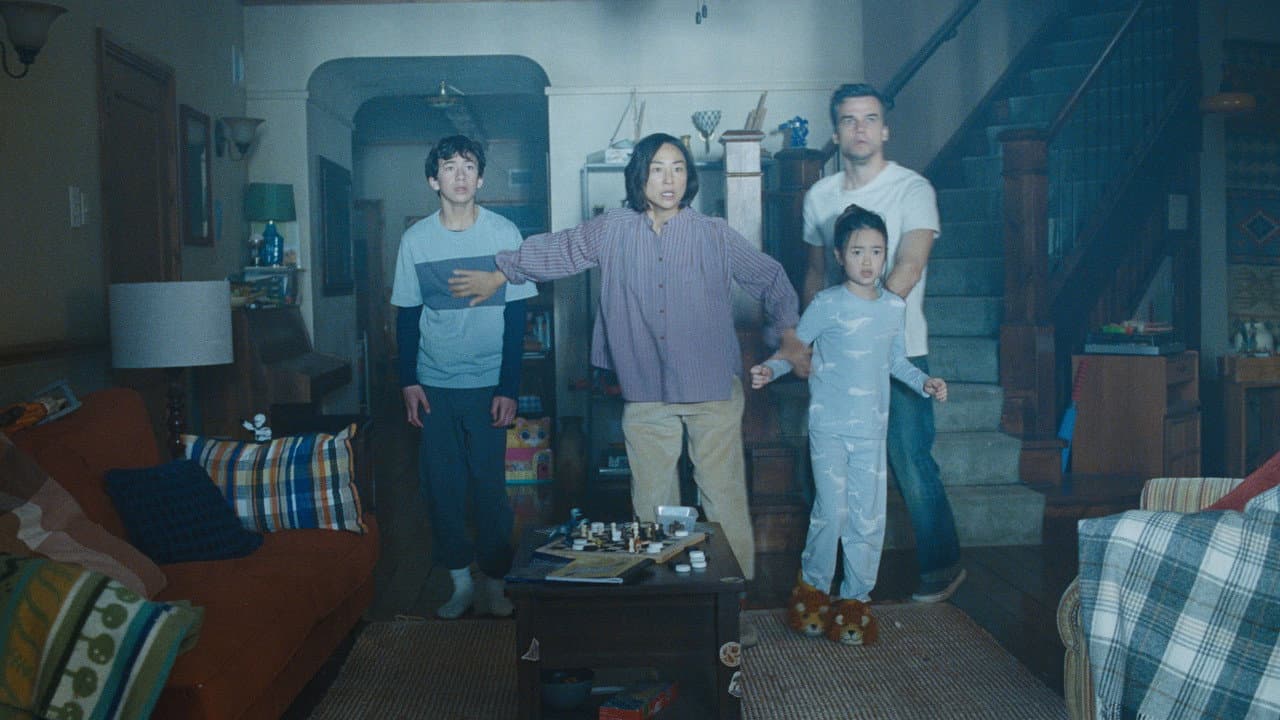
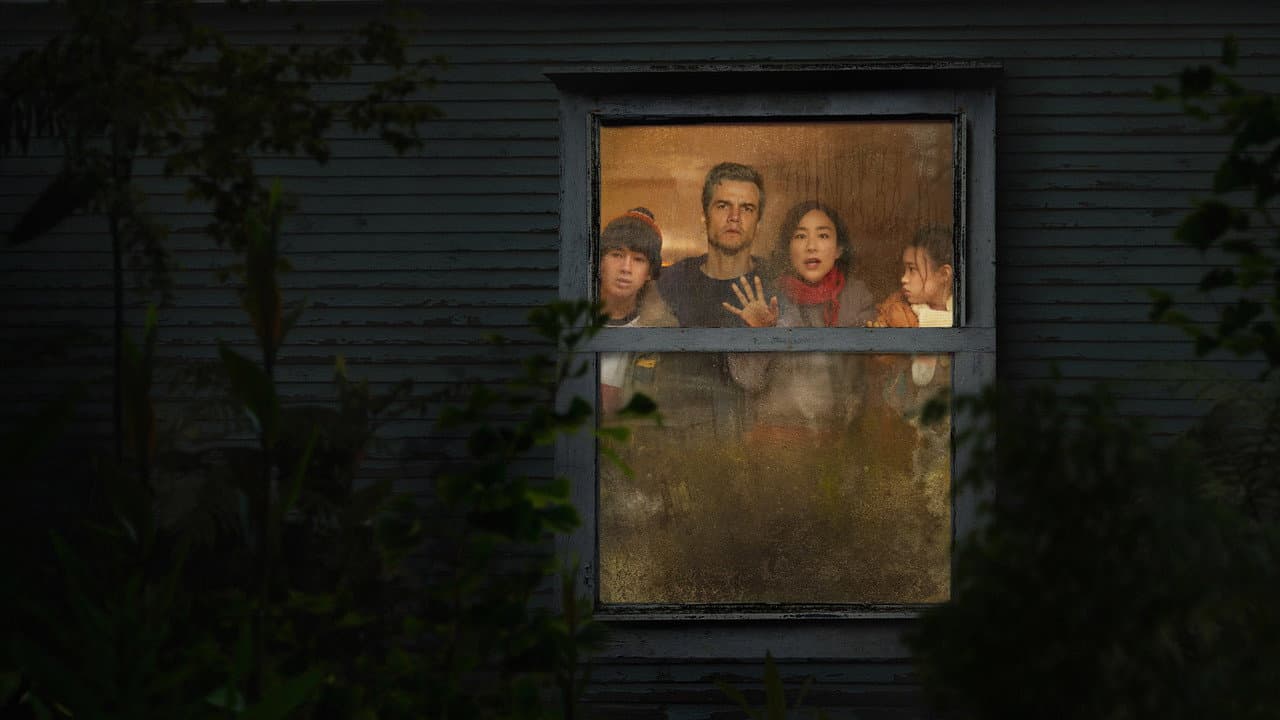
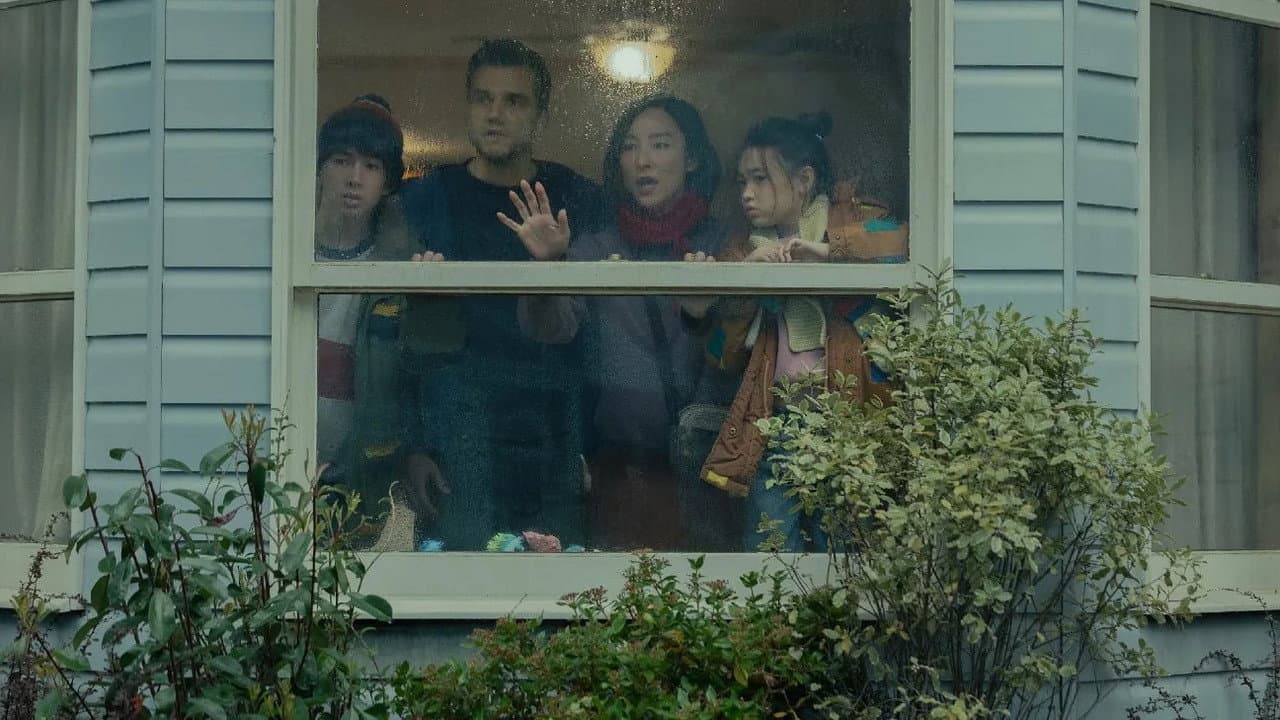
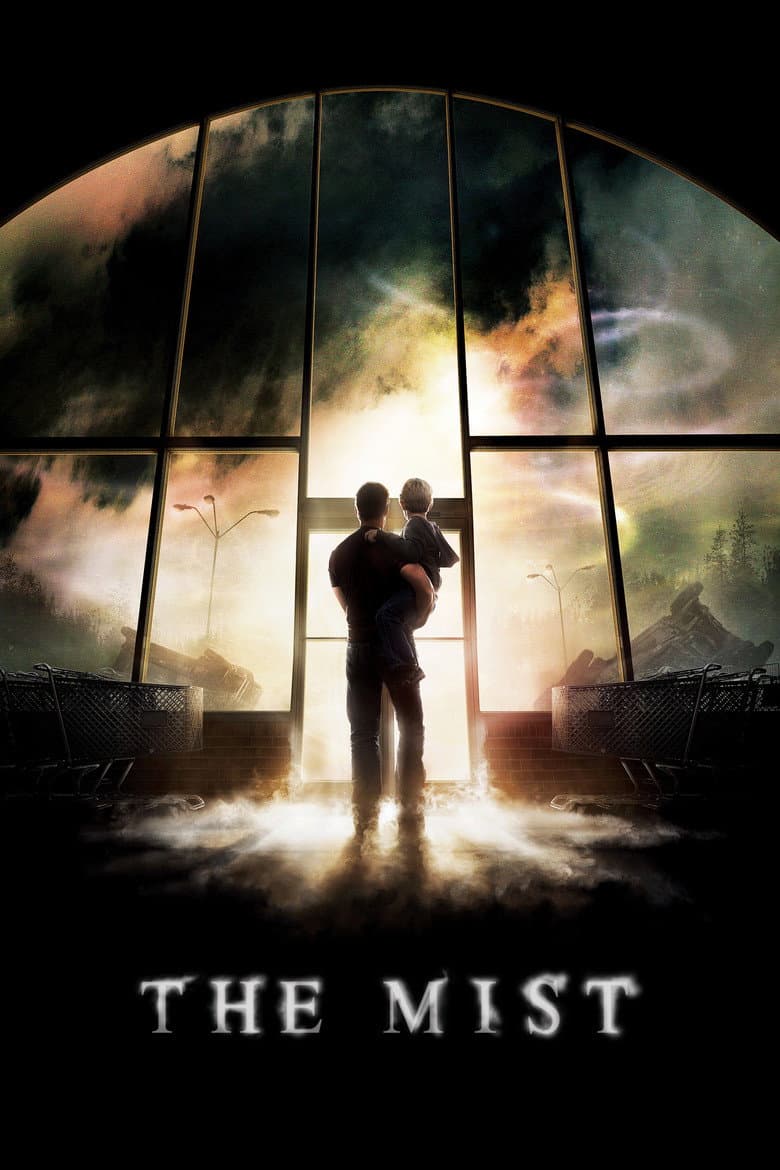
Leterrier clearly aims for the slow-burn dread of The Road mixed with the contained domesticity of 10 Cloverfield Lane. He achieves the tone intermittently, particularly in the film’s first third. The initial shock of confinement is palpable, and the family’s frantic attempts to break through the barrier - hammering walls, digging under the foundation - are shot with a gritty, handheld urgency. Greta Lee, as ever, is a revelation. She anchors the film with a performance of quiet devastation, her Ann oscillating between maternal ferocity and a hollowed-out despair that feels unnervingly real. Wagner Moura matches her, trading his usual simmering intensity for a more subdued, beleaguered pragmatism.
But the film’s structural decision to span years proves its undoing. The time jumps are jarring, robbing the narrative of organic progression. We are told the family is deteriorating, but we rarely see the incremental breakdown. The child actors, Riley Chung and Noah Alexander Sosnowski, are serviceable, but their emotional arcs are compressed into montage-like sequences that lack dramatic weight. The teenage versions (Emma Ho and Gabriel Barbosa) fare slightly better, injecting a necessary dose of rebellious friction into the family dynamic, but they are introduced and discarded so quickly that their contributions feel transactional.
The script’s dialogue is another weak point. Conversations often circle the same drain - "We need to ration," "What if this never ends?" - with a repetitiveness that feels less like character development and more like the writers running out of ideas. One particularly egregious scene has Ann and Jason arguing about whether to sterilize a kitchen knife for half a scene length, a moment that tries for profound symbolism but lands as tedious filler. The horror elements are almost entirely psychological, which is fine, but Leterrier undercuts them with a few cheap, boilerplate scares - a creaking floorboard, a flickering light - that feel cribbed from a lesser haunted-house movie.
The film’s technical craft is respectable. The cinematography gradually drains color as the years pass, the house becoming a grainy, sepia-toned tomb. The sound design is meticulously eerie, using the absence of noise - the lack of wind, birds, or traffic - to create a suffocating vacuum. Yet these strengths are in service of a story that refuses to coalesce. The climax, involving adult Ruth (Arden Cho) making a final decision, is meant to be cathartic, but it arrives with such little buildup that it feels arbitrary. No invented quotes, but the sentiment of the final act can be summed up as: "So that’s it, then." Indeed.