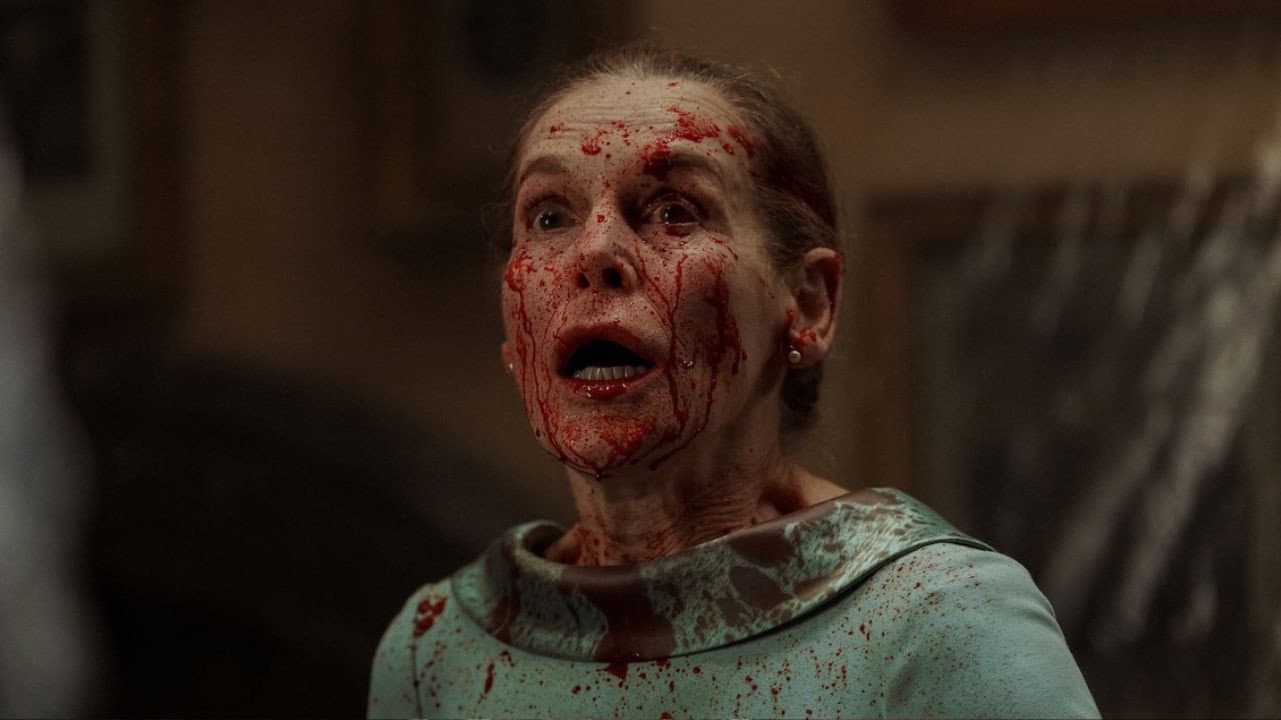
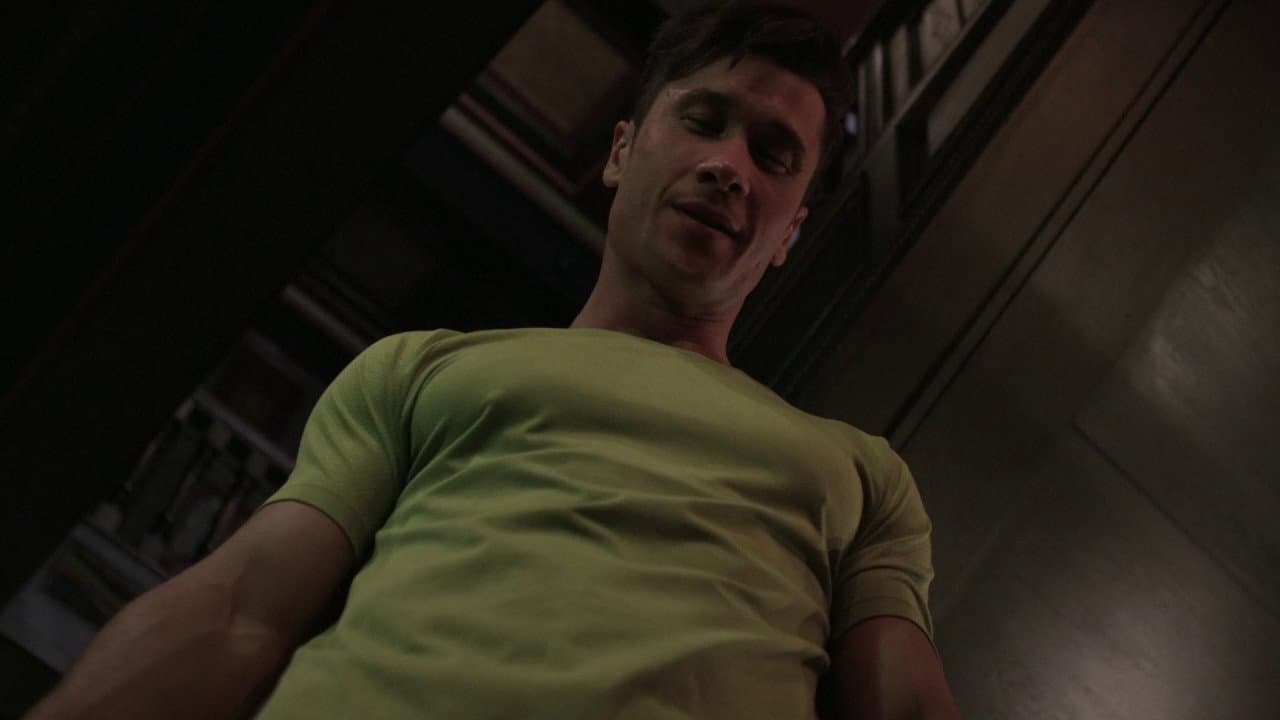
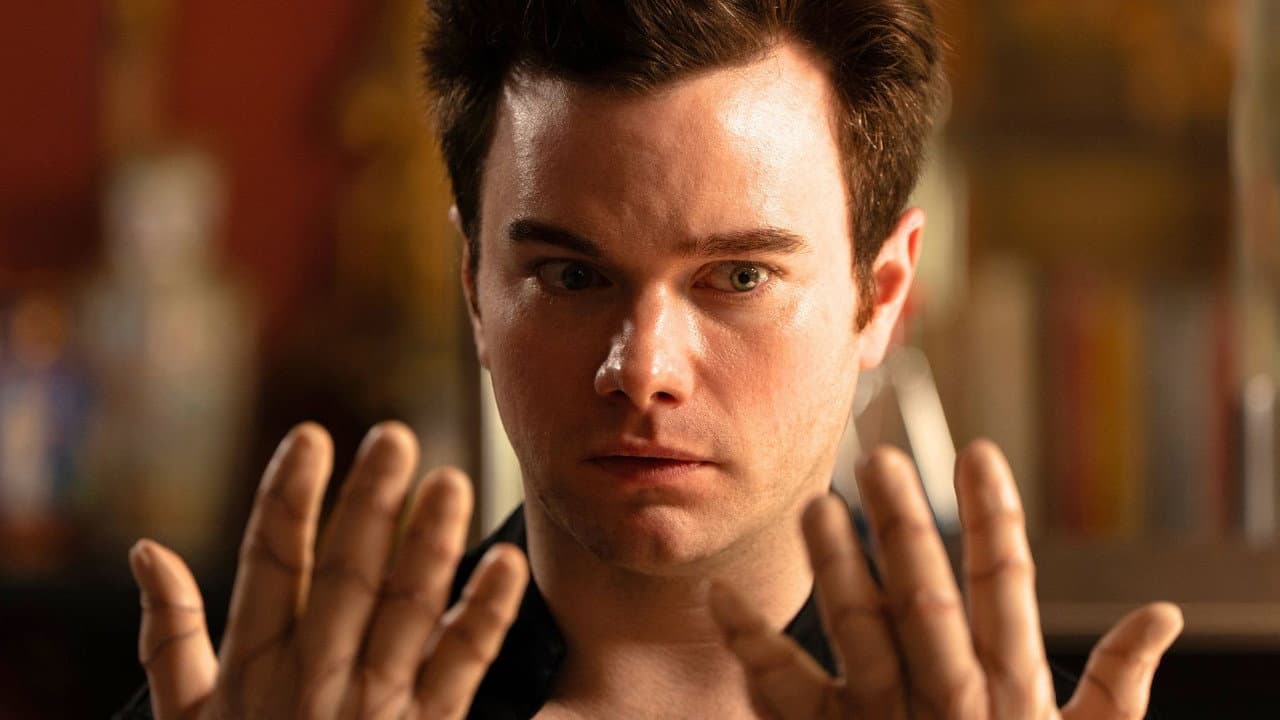
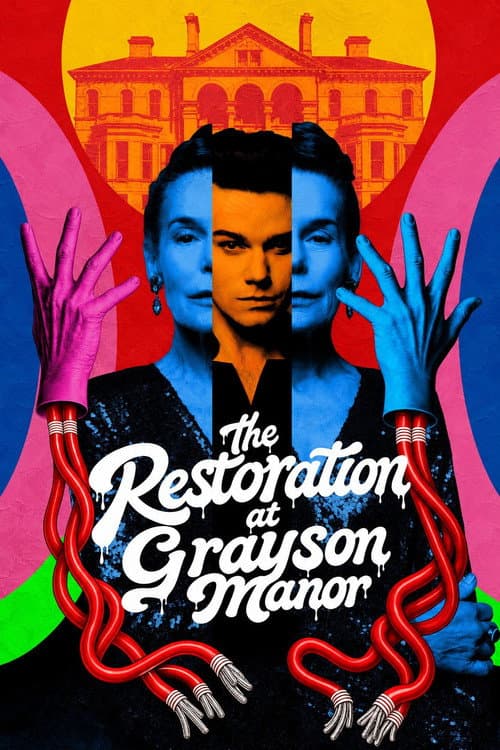
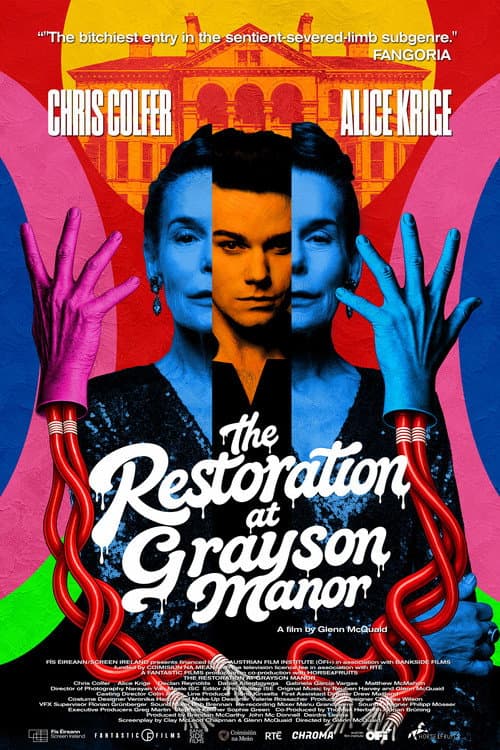
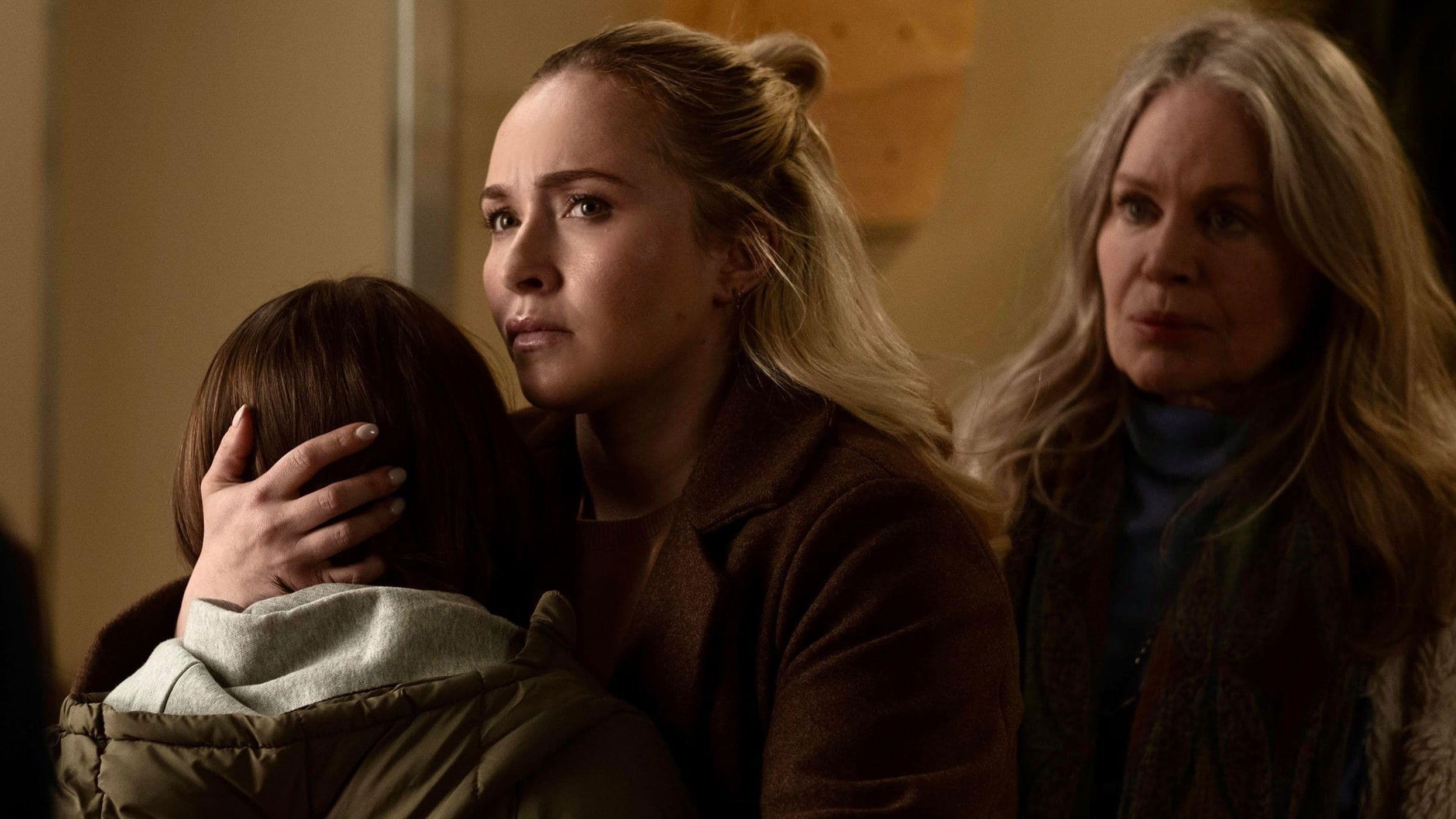
McQuaid is a director of textures, and the manor itself is his best collaborator. Dust motes hang in shafts of light like evidence. The hallways are lit at the exact temperature that makes familiar wood feel alien. There's a restraint here that's rare for contemporary horror - the film is more interested in the wet, reciprocal click of machinery in Boyd's wrists than in the volume of screams it can produce.
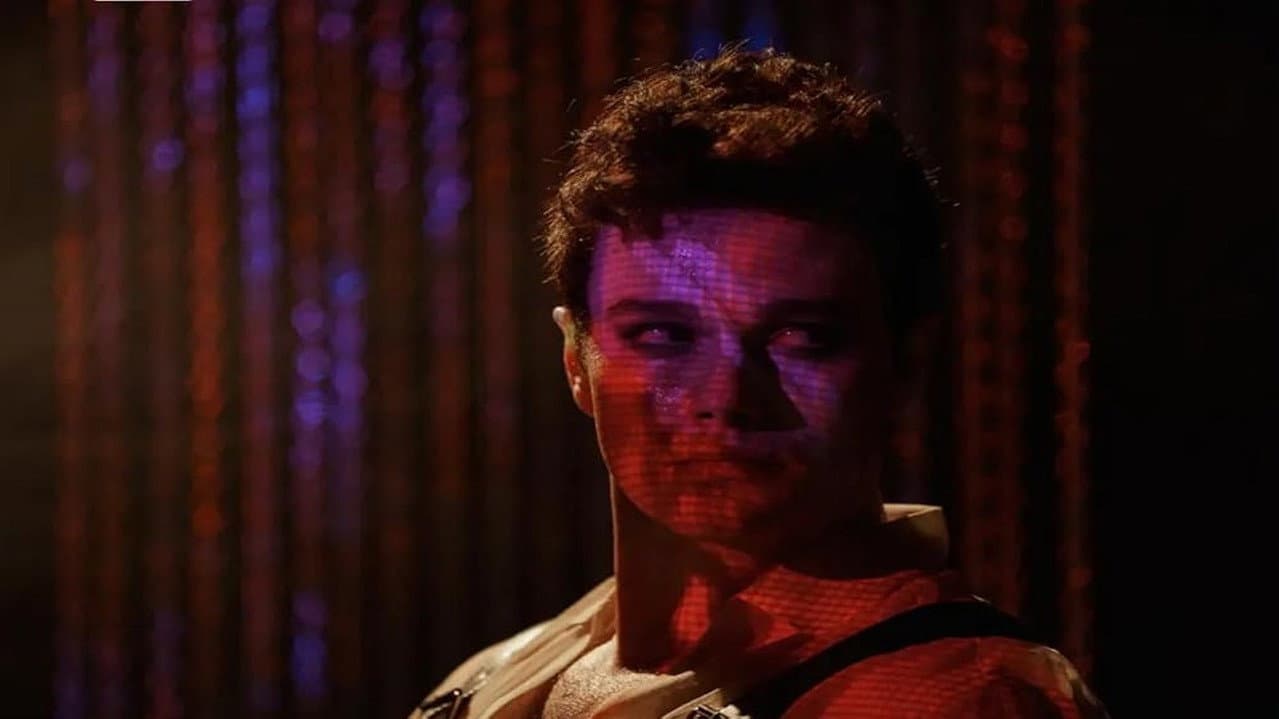
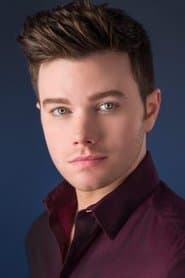
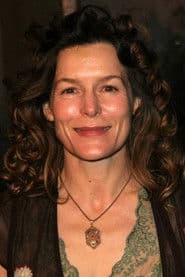
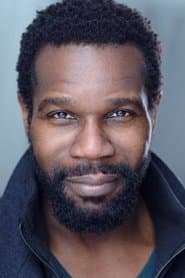
The cast understands the assignment. Alice Krige, an actress with an almost vampiric ability to make maternal concern feel like a strategy, gives Jacqueline a regal, well-practised composure that slowly cracks into something harder. Adegboyega's Dr. Tannock is the film's quiet MVP - the salesman of progress, all clarity and warmth, never once raising his voice, which makes his professional calm deeply sinister. But the film belongs to Colfer. He plays Boyd as a man quietly dissociating from his own body, and he does the hardest thing horror demands: he makes you believe his disbelief.
The writing is where the spell thins. The film's interest in the ethics of "restoration" - healing as possession, technology as inheritance - is thematically rich, but the script keeps it at a low simmer when it should be boiling. Tension is generated by pacing rather than incident, and while that works beautifully for seventy minutes, the last stretch needs revelation and instead offers exposition. The final act leans on mythology that feels assembled on the day, and a couple of supporting characters, particularly Lee, exist mostly to explain the rules and then exit.
Still, this is not a film undone by its flaws. It is undone by its caution. There is a nastier, sadder, more unforgettable film hovering just at the edges of this one, and McQuaid, a director who clearly knows better, keeps politely declining to make it.