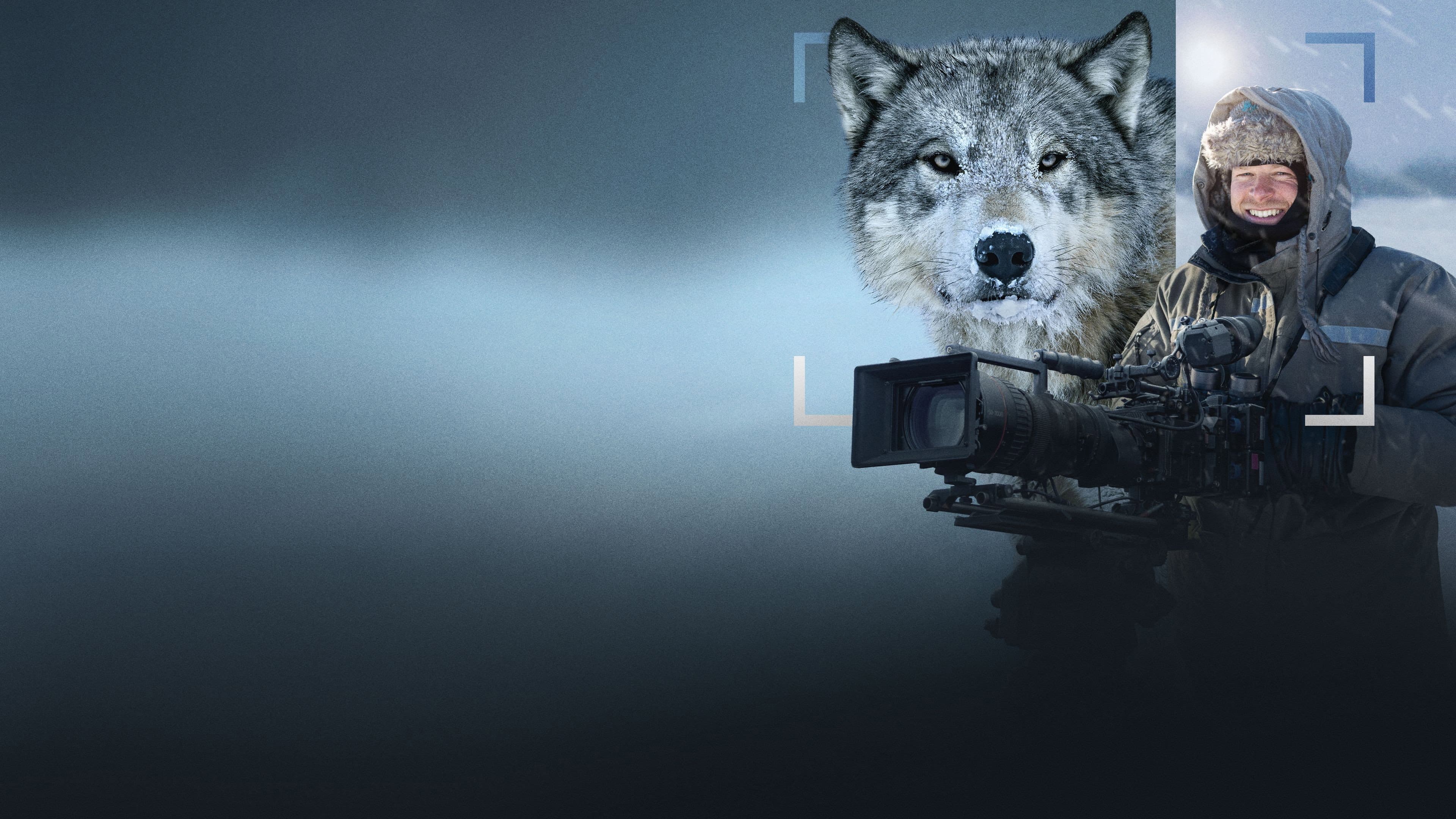
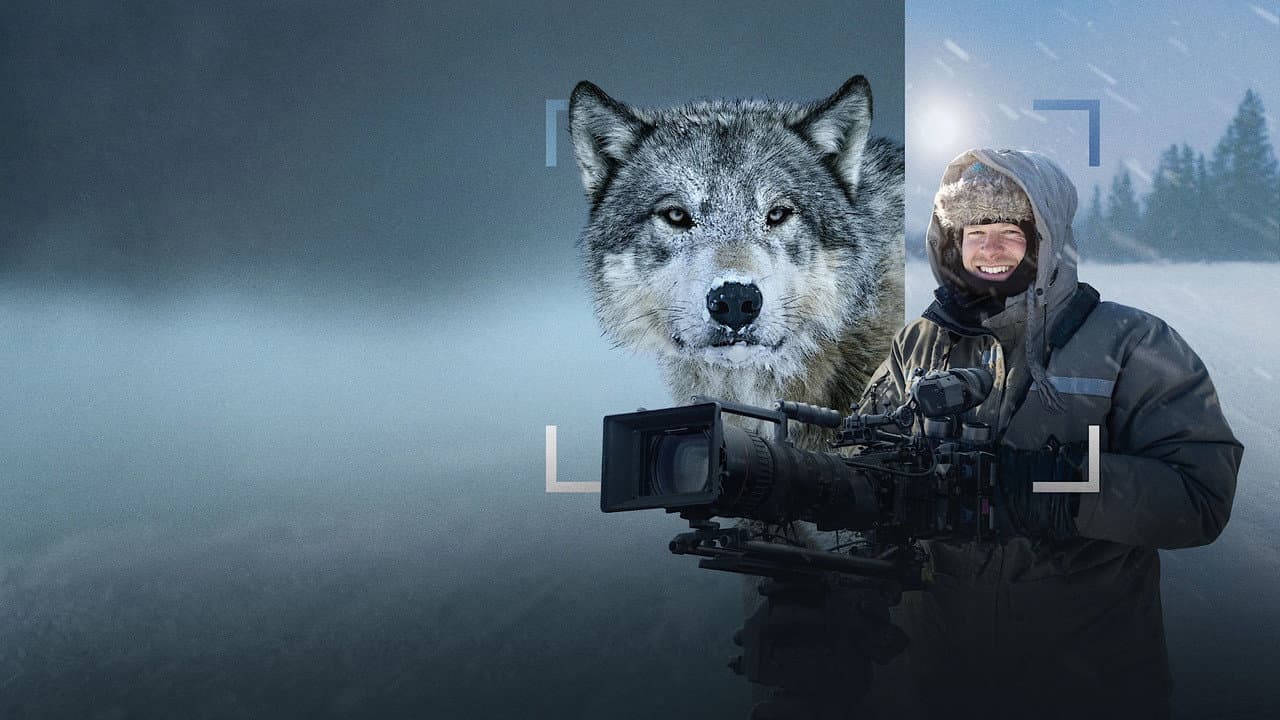
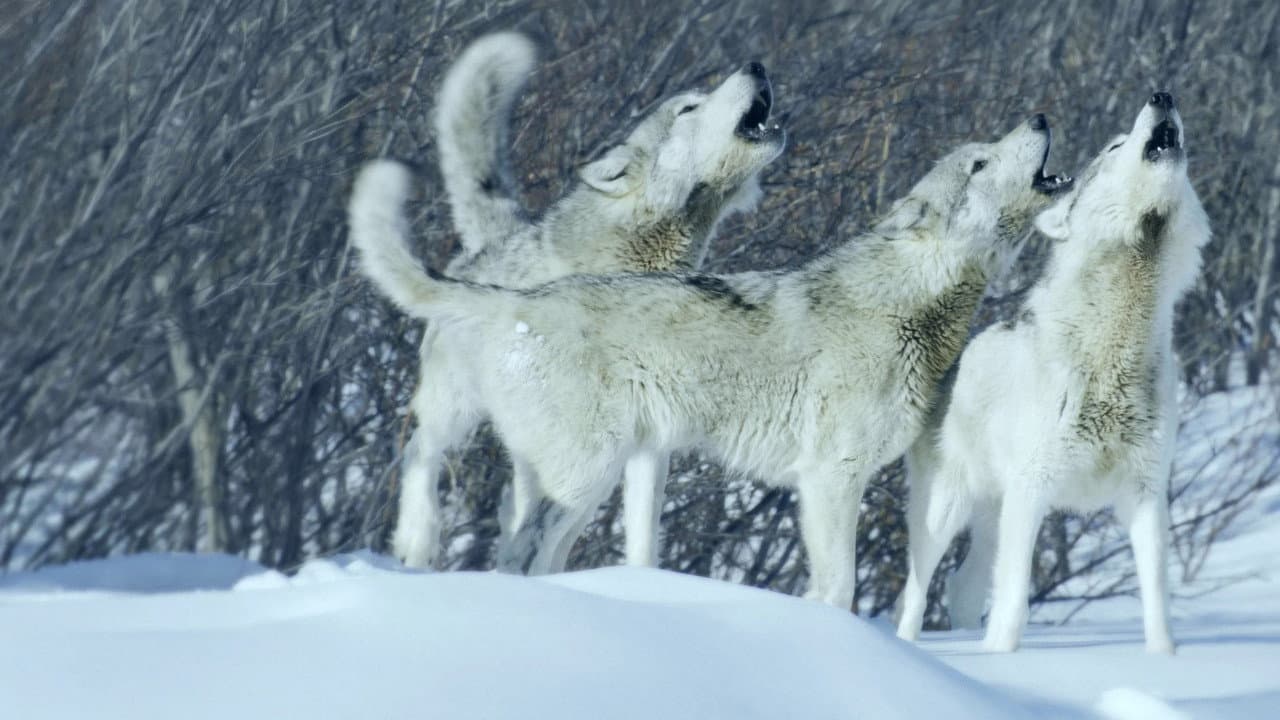
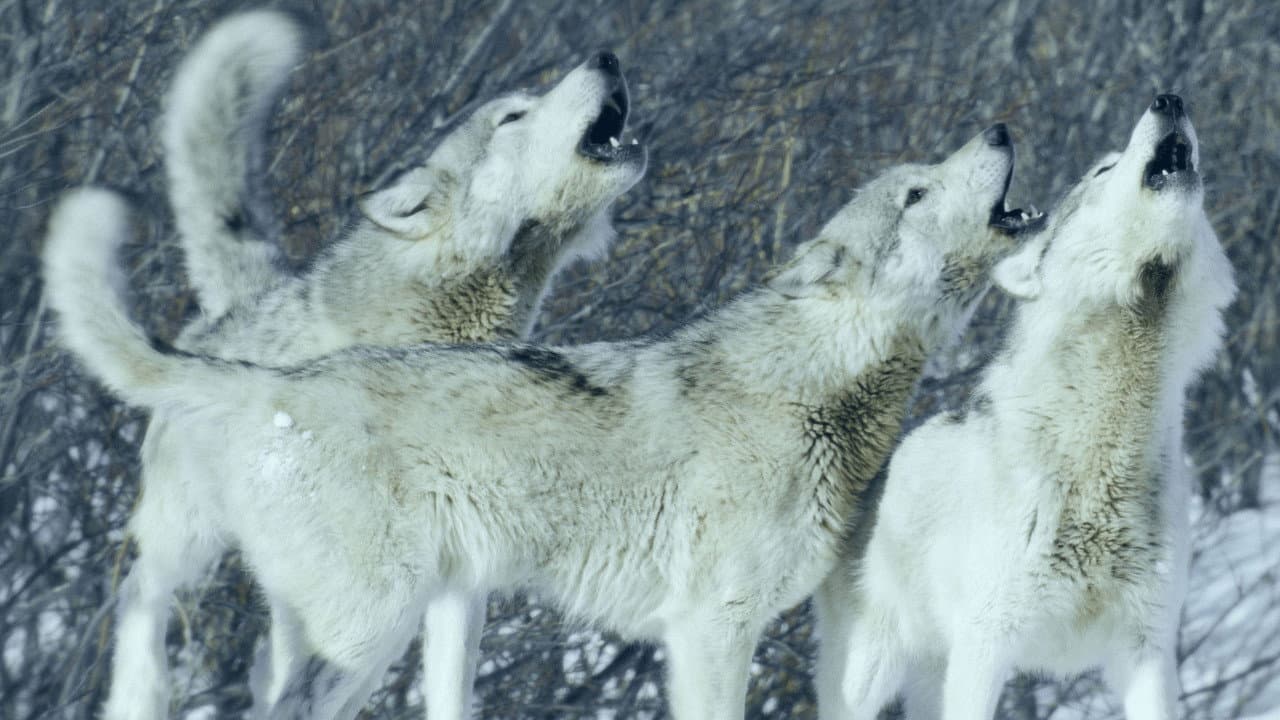
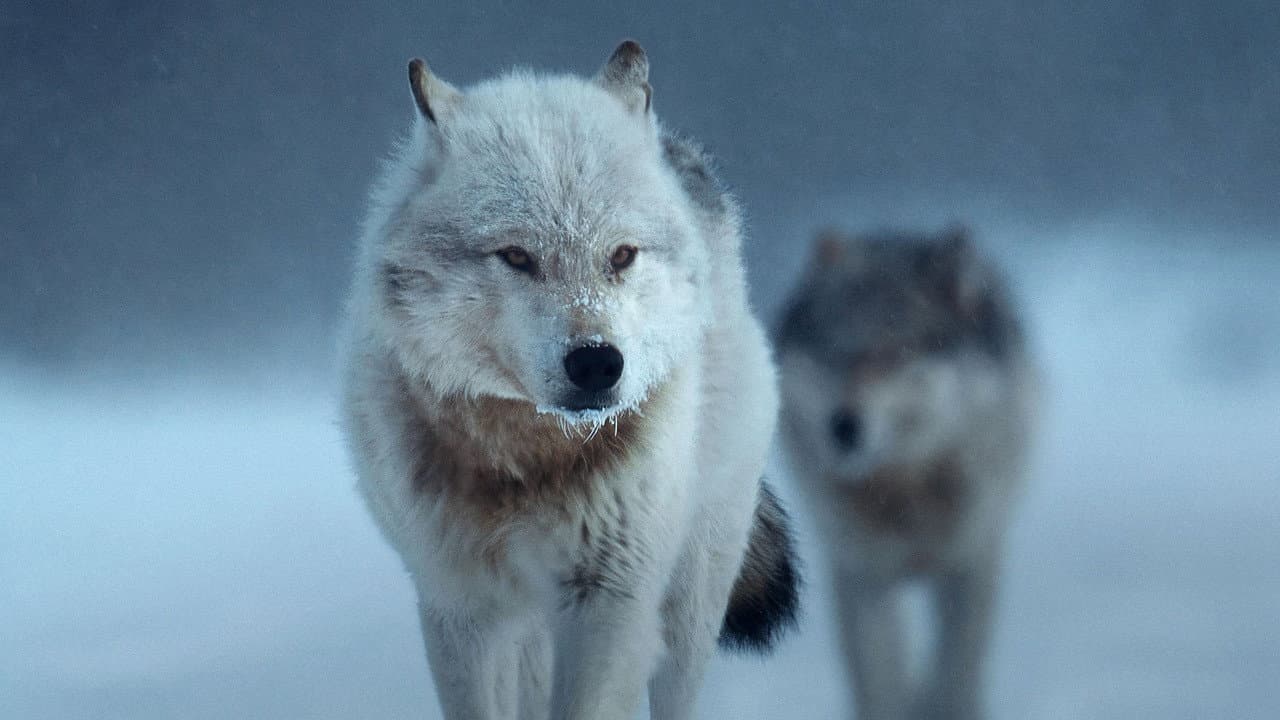
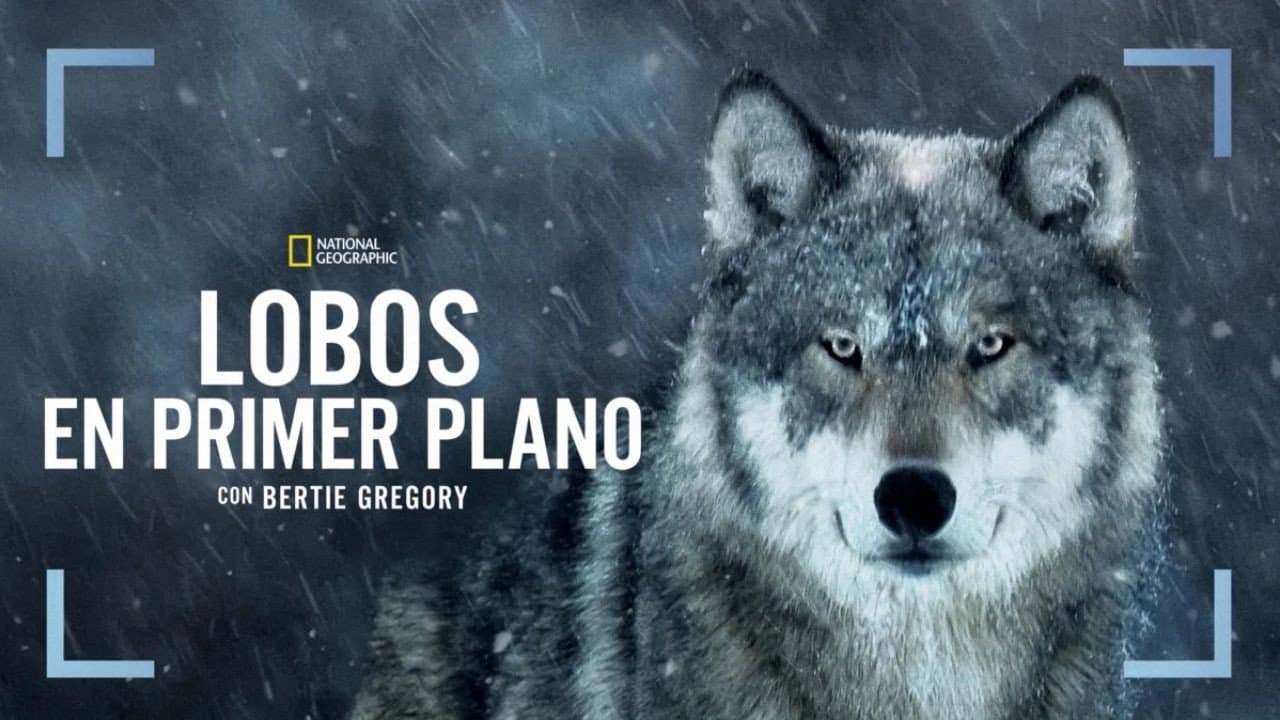
What separates this from the average wildlife hour is access, earned rather than purchased. Seven years of tracking means Gregory's camera sits inside the pack's rhythm instead of chasing it. The wolves tolerate his presence in ways that border on uncanny, and the resulting footage has an intimacy that staged encounters never manage.
The moose hunt itself is the sequence everyone will talk about. Gregory resists over-cutting and frantic music, letting the standoff unfold with real uncertainty. The outcome is not a foregone conclusion, and the film respects that. It is the rare set piece that earns the adjective "rarely filmed" used in its own brief.
Kona is the film's quiet star, and Gregory wisely lets him carry long stretches without narration. The aging leader's decline adds an unexpected melancholy, a reminder that packs are political organisms, not just hunting machines. If there is a weakness, it is that the rival wolf thread feels underdeveloped; the encroachment is announced more than dramatized, and by the time it crests, the film is already sprinting to its conclusion.
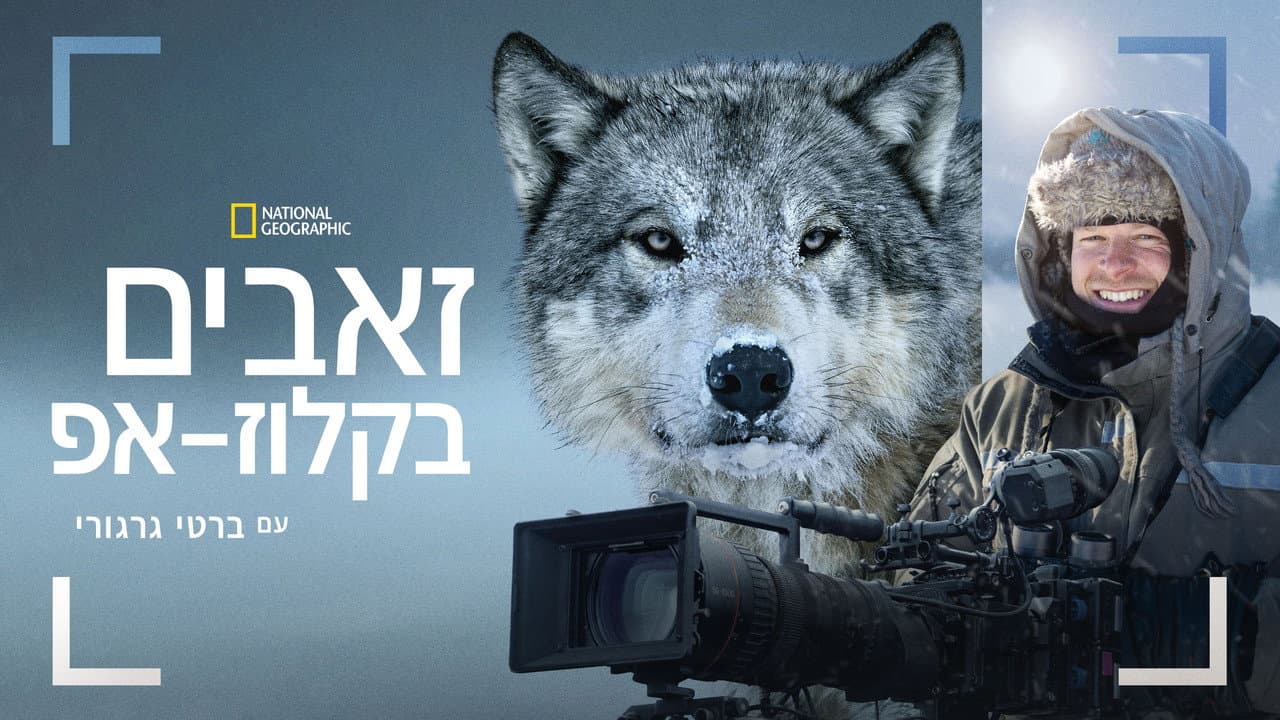
Gregory himself remains the right kind of host: enthusiastic without being cloying, knowledgeable without lecturing. Saunders and Reimer bring texture in their few appearances, though neither gets the screen time to fully register. The cinematography, meanwhile, makes the Arctic look less like a postcard and more like a character - cold, indifferent and stunning.
It should be noted this is an English-language Hollywood production, and it plays like the best of that tradition: polished, efficient, built for broad audiences without condescending to them. The film also knows when to step back. The final minutes let silence and snow do the emotional work no narrator could.