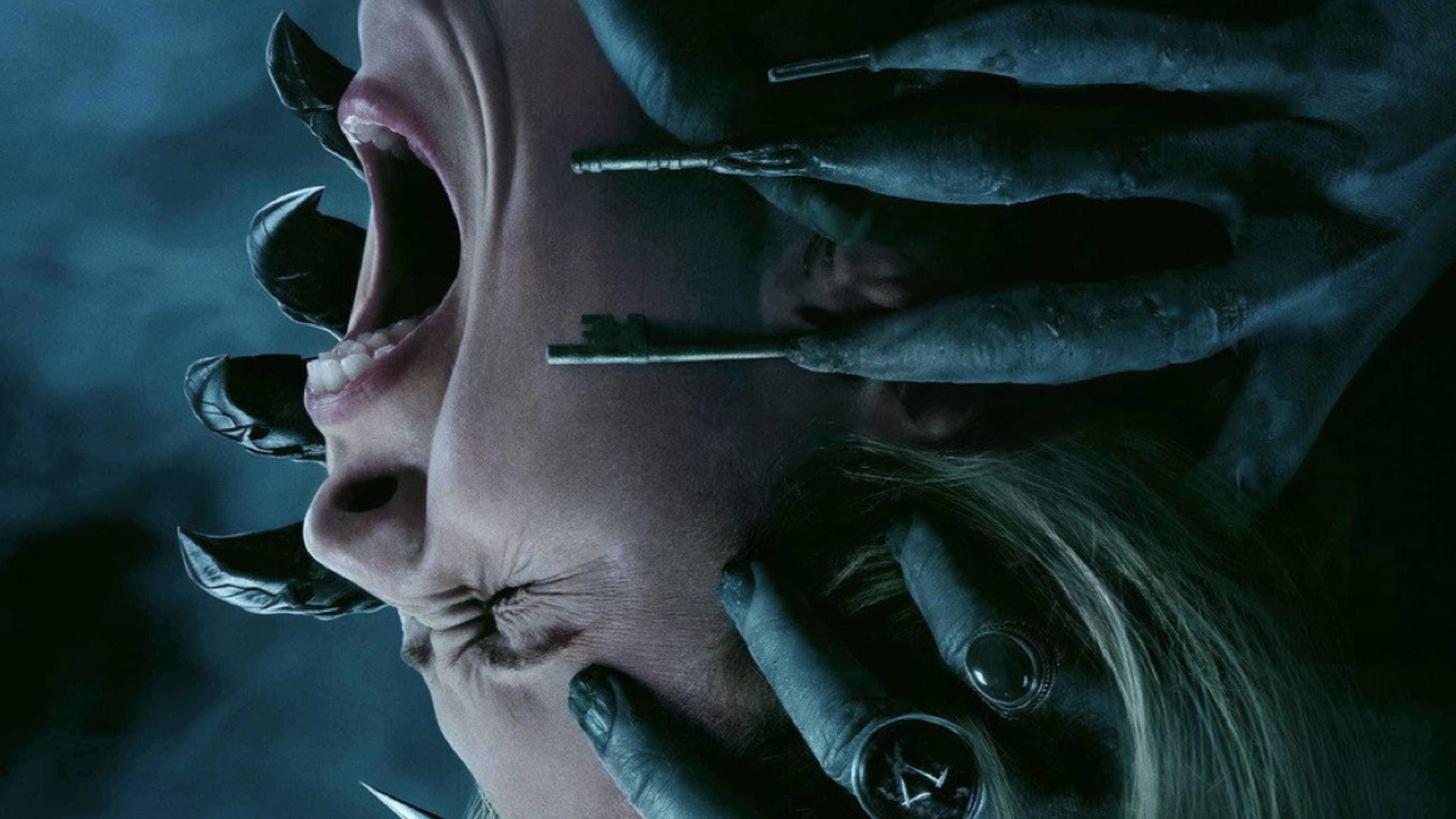
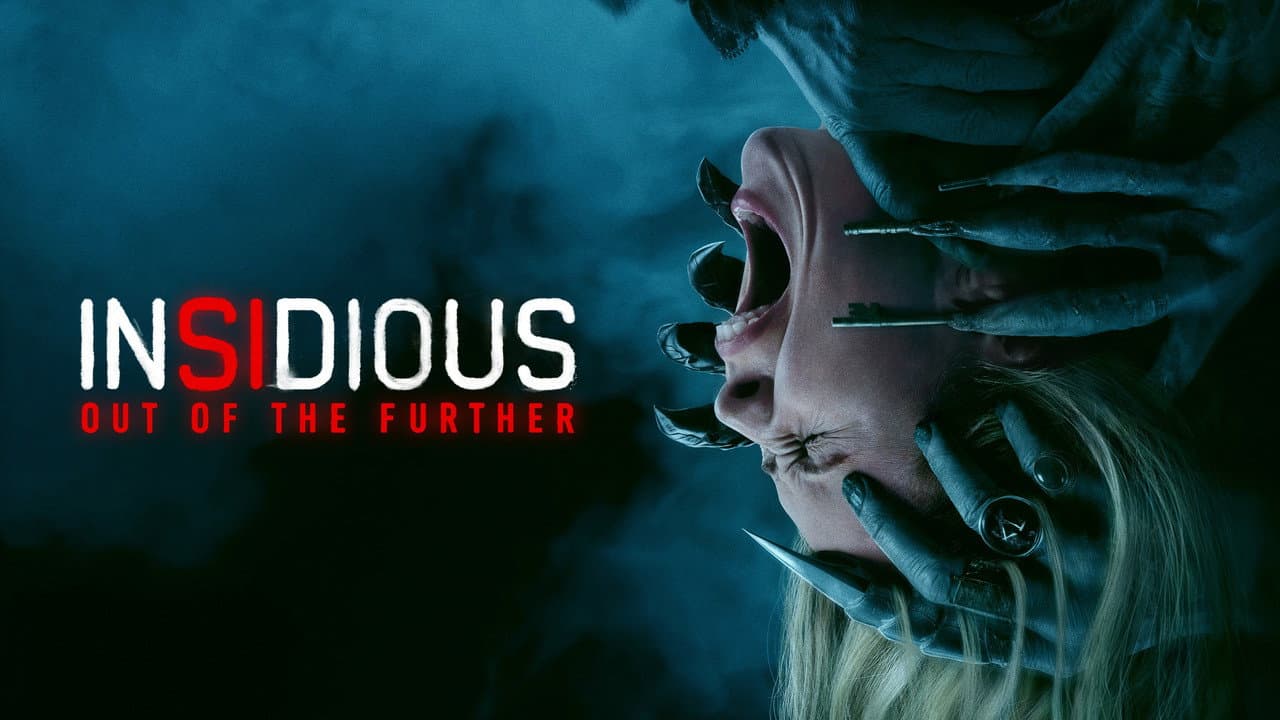
The Further has always been a place you visit at your peril - a liminal nightmare zone where the ghosts of the past don’t just linger; they feed. For nine years, the Insidious franchise has built its mythology on the terrifying cost of astral projection, on the idea that what you bring back with you is never worth the trip. But with Insidious: Out of the Further, now streaming on OTT Stories, director Jacob Chase flips the script in a way that feels both radically new and deeply faithful to the series’ haunted soul. This isn’t a story about escape. It’s about inheritance.
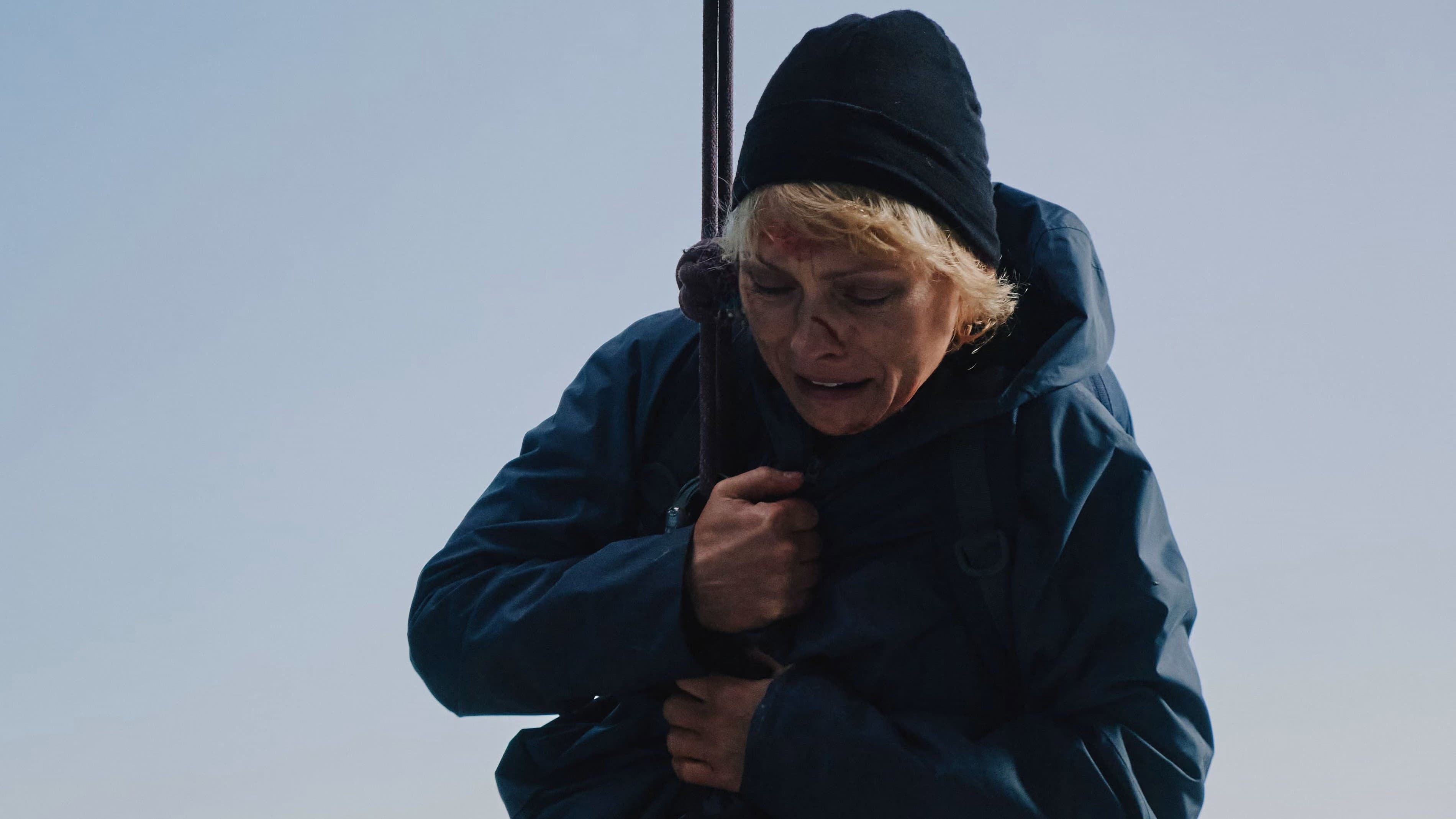
The film, which hit theaters on August 19 and has already found a swift home on the streamer, centers on Gemma, a young mother brilliantly portrayed by Amelia Eve. Gemma is raising her daughter, Maya (Island Austin), in the very house she grew up in - a setting that should feel like a sanctuary but hums with a low, familiar dread. There’s a generational weight to those walls, a sense that the floorboards remember every footstep that came before. And Gemma, we quickly learn, remembers them too. She has a gift, or perhaps a curse, that has lain dormant: the ability to step into The Further at will. Not as a terrified intruder, but as something closer to a resident.
This is a major departure from the franchise’s usual framing. In previous installments, the spirit realm was a malevolent labyrinth you stumbled into, a place where the Red Face demons and the Bride in Black hunted the unwary. Here, Chase positions The Further as a permeable membrane, a terrifying but accessible ecosystem. The horror isn’t in getting lost there; it’s in what Gemma can carry back with her across the threshold. A stray thought, a lingering regret, a half-remembered lullaby - all of these can take shape in the material world, given enough will. And Gemma has a powerful will, driven by a mother’s ferocious need to give Maya a better, safer childhood than her own.
That’s where the film’s deepest chill settles in. This is a horror movie about the things we pass down without meaning to, the traumas that skitter through generations like cockroaches. Gemma’s ability isn’t a superpower; it’s a responsibility she never asked for, and her trips into the murk are less about exploration and more about excavation. She’s digging up the bones of her family’s past, and at 106 minutes, Chase gives those bones plenty of room to rattle. The pacing is deliberate, almost meditative in its early stretches, before tightening into a vise grip of supernatural tension.
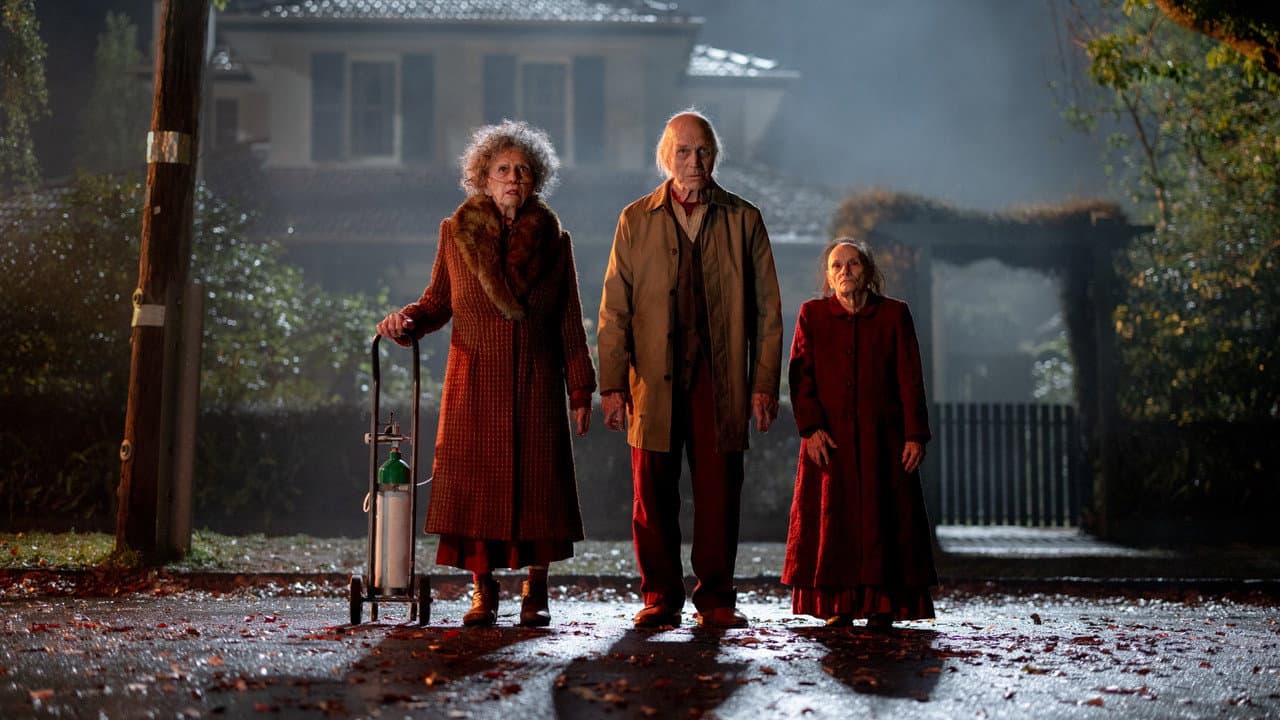
The supporting cast elevates the material beyond standard fright-fare. Lin Shaye returns as Elise Rainier, the franchise’s beloved paranormal investigator, and her presence provides a crucial anchor. She’s no longer just a guide; she’s a cautionary tale, someone who knows the cost of gazing too long into the abyss. Her scenes with Eve crackle with a quiet, mournful chemistry, two women bound by a shared understanding that some doors should stay locked. Meanwhile, Sam Spruell is appropriately unsettling as Cyrus, a figure from The Further whose motives remain deliciously opaque, and Brandon Perea brings a grounded warmth as Nick, a skeptical friend who gets pulled into the maelstrom.
Visually, Chase - who previously delivered the similarly unsettling Come Play - makes The Further feel more textured than ever. It’s not just shadow and fog; it’s a place with architecture, with memory, with a terrifying logic. The design leans into a kind of decaying domesticity, where childhood toys become relics of sorrow and hallways stretch into impossible lengths. It’s the kind of world-building that rewards repeat viewings, the strata of dread revealing new layers each time.
Critics have been somewhat divided - the TMDb rating sits at a respectable 6.324/10 - which feels about right for a film that takes risks with a beloved formula. Some may find the slower burn less immediately terrifying than the jump-scare crescendos of earlier entries. But Out of the Further is aiming for something more insidious than a quick jolt. It’s a Gothic meditation on motherhood, on the ghosts we inherit, and on the terrifying idea that love, when channeled through grief, might just be powerful enough to give those ghosts a body.
In the end, this isn’t a movie about escaping the dark. It’s about learning to live with the shadows you’ve invited in, and praying they don’t learn to love your child as much as you do. It’s a haunting addition to the canon, and one that lingers long after the credits roll - like a whisper from a room you thought you’d locked.