The desert in Lee Cronin’s The Mummy does not simply bake under a merciless sun; it waits. It is a vast, indifferent amphitheater for grief, a place where the sand remembers every footprint and every scream. Cronin, the Irish filmmaker who carved his name into modern horror with Evil Dead Rise, has not made a creature feature in the traditional sense. He has made something far more unsettling: a family drama that slowly, methodically peels the skin off the concept of a miracle.
The film, which premiered on OTT Stories this past April and has since been devoured by genre fans, opens with a piercingly simple tragedy. Katie Cannon (Natalie Grace), the bright-eyed young daughter of journalist Charlie Cannon, wanders into the Egyptian wilderness and vanishes. No body. No ransom. No closure. Eight years pass, and the Cannon family has calcified around the loss. Charlie, played with a raw, frayed-nerves intensity by Jack Reynor, has traded his career for obsessive documentation of missing persons cases. His wife, Larissa (Laia Costa), moves through their home like a ghost herself, while the younger siblings, Sebastián and Maud, have grown up in the shadow of a sister they barely remember.
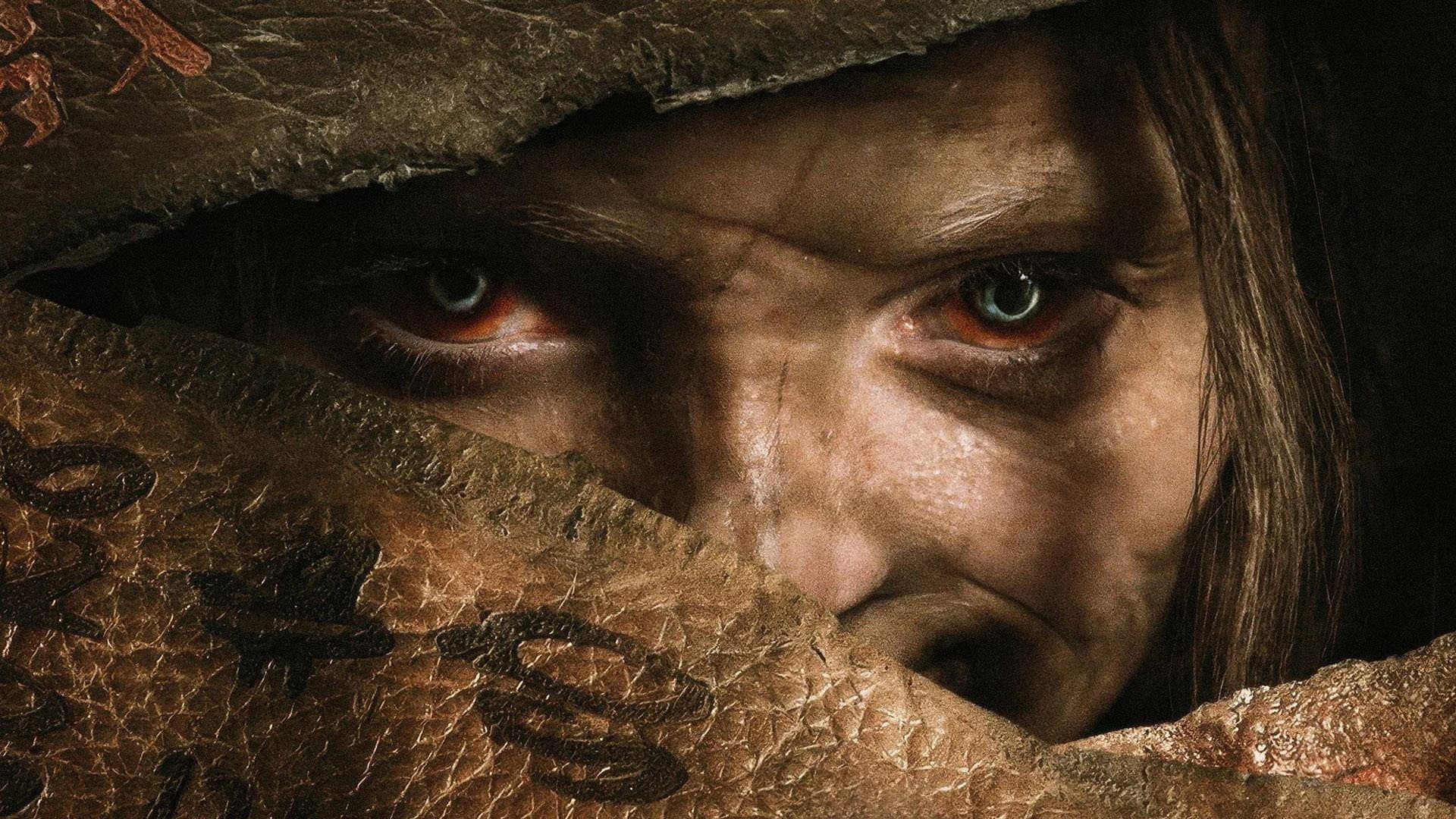
Then, without warning, Katie is found. She walks out of the same desert, barefoot, unaged, and utterly silent. The reunion is a media circus, but Cronin wastes no time on catharsis. The moment the camera lingers on Katie’s placid, unnervingly clear eyes, the dread sets in. She is not the girl who left. She is a perfect, hollow replica of her, and the film’s genius is in refusing to explain exactly what that means.
This is where Detective Dalia Zaki (May Calamawy, delivering a performance of steely, tragic pragmatism) enters the frame. Zaki is the only character who refuses to accept the supernatural gloss on Katie’s return. She treats the resurrection like a crime scene, because, as she tells Charlie in a hushed, urgent scene, “The desert does not give back what it takes. It only trades.” Her suspicion drives the plot, but Cronin is less interested in a procedural than in the psychological corrosion of hope. He films the Cannon household with a claustrophobic intimacy, the camera often positioned just behind the characters’ shoulders, as if we are intruding on a family that has forgotten how to be watched.
The horror here is not jump scares, though Cronin delivers a few masterfully queasy ones - including a shower scene that will haunt anyone who watches it. The true terror is behavioral. Katie, played by Grace with a chilling emotional blankness, begins to mimic routines she never had. She rearranges her mother’s jewelry, hums a lullaby in a key that is slightly off, and smiles at moments of profound pain. The film becomes a slow-burn interrogation of a simple question: if your loved one returns but is fundamentally wrong, do you love the shell or the soul?
Cronin’s screenplay is lean but dense with subtext. He uses the vastness of the desert as a mirror for cognitive dissonance. When the family attempts to celebrate Katie’s return with a dinner, the scene is lit like a 1970s poltergeist film - warm, golden, and utterly sickening. The dialogue is sparse, and the silences do the heavy lifting. Reynor’s Charlie is a man torn between journalistic skepticism and paternal desperation, and he carries the film’s moral weight. In one devastating monologue, he admits to Zaki, “I prayed for eight years. But I think I was praying for the version of her I buried. Now I have to decide if I can love the version that came back.”
Supporting turns elevate the dread. Veronica Falcón plays Carmen Santiago, a local folk healer who warns the family about “The Magician,” a cryptic entity played by Hayat Kamille. Kamille’s presence is fleeting but indelible - a figure who appears in reflections and peripheral vision, never quite in focus, speaking in aphorisms that translate to chilling warnings. Cronin wisely keeps The Magician largely off-screen, knowing that the bogeyman of the mind is always more terrifying.
At 133 minutes, The Mummy is a patient film. It asks for a commitment that modern horror often avoids. But the payoff is a cerebral, emotionally gouging finale that recontextualizes everything you have watched. The TMDb rating of 7.895/10 feels earned; this is a picture that rewards second viewings, where the cracks in Katie’s mask become canyons.
What lingers after the credits is not the gore, though there is some, but the unbearable weight of a family’s decision. Is it better to have a monstrous daughter than no daughter at all? Cronin does not provide an easy answer. He just leaves you in the sand, staring at the horizon, wondering which version of love is the real nightmare. Lee Cronin’s The Mummy is streaming now on OTT Stories, and it is not a remake. It is a requiem.