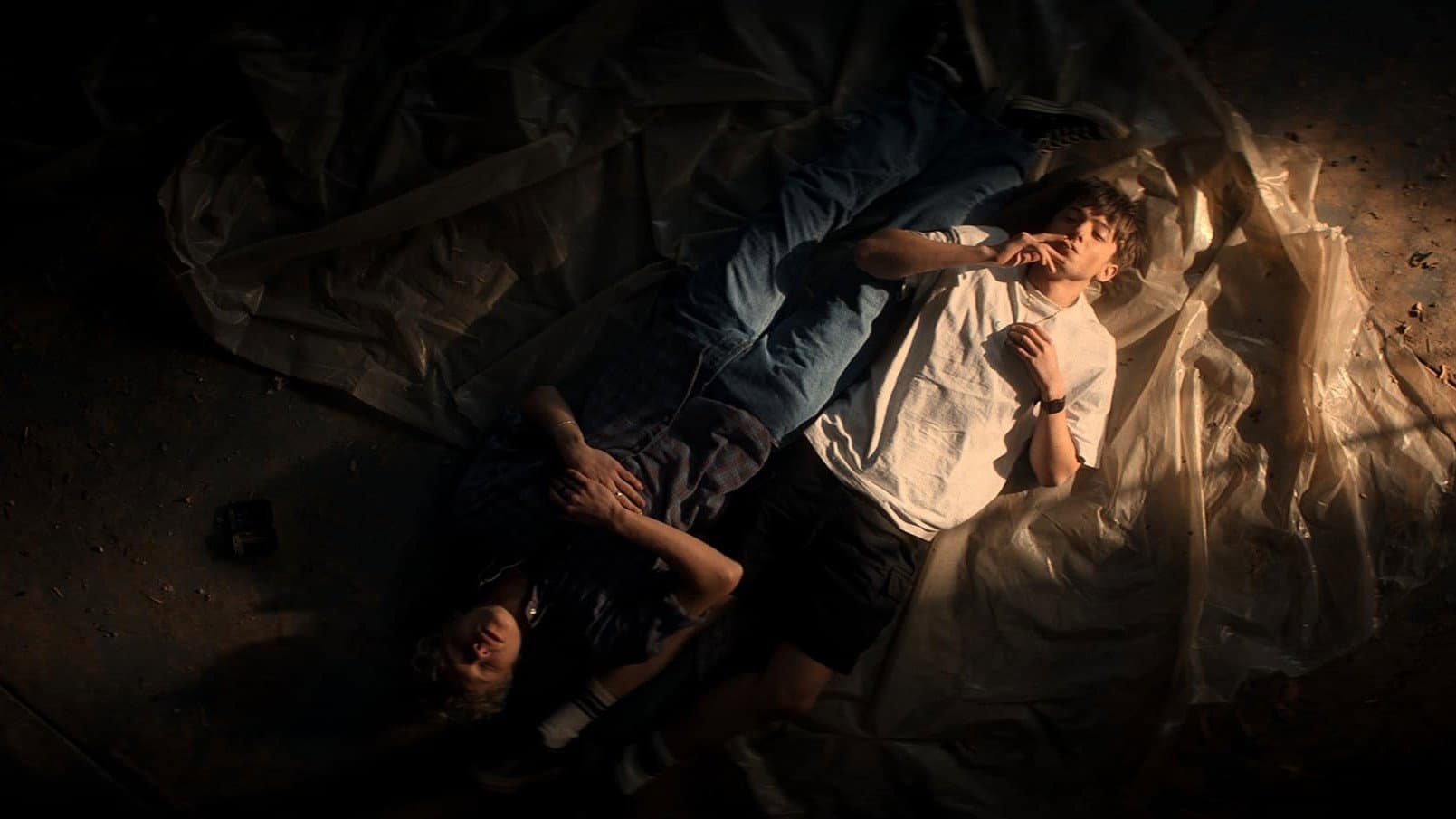
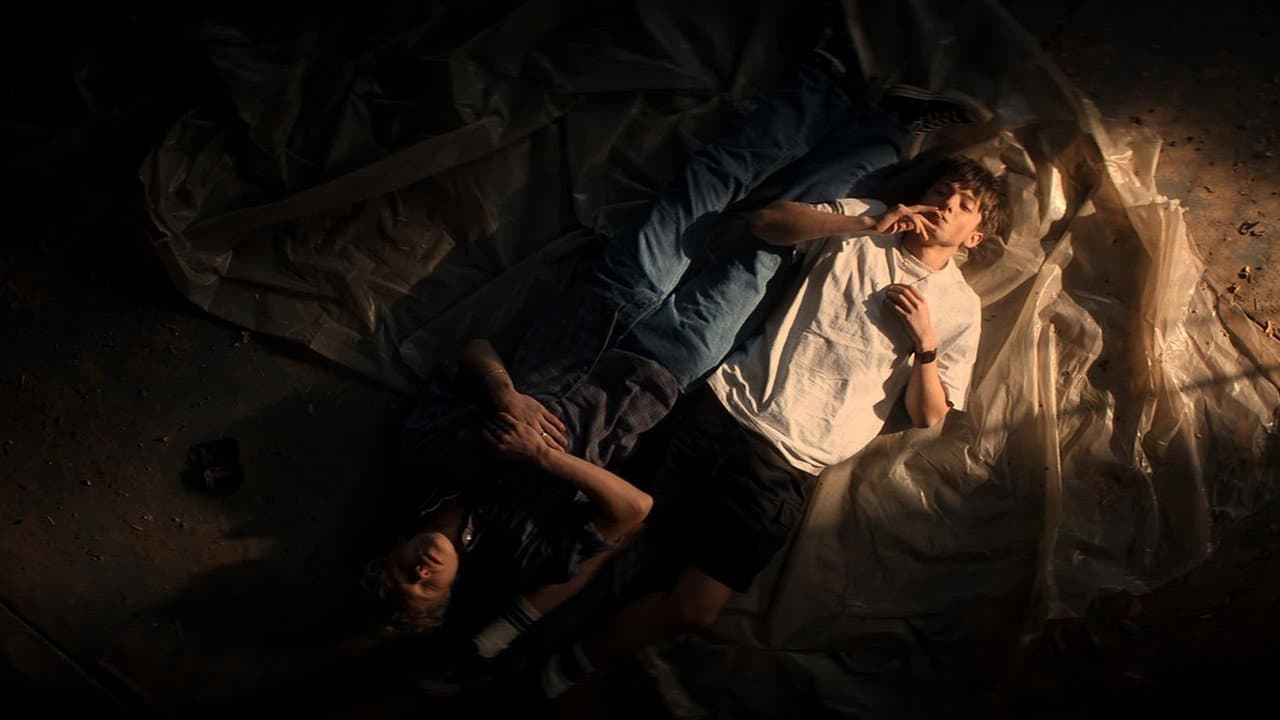
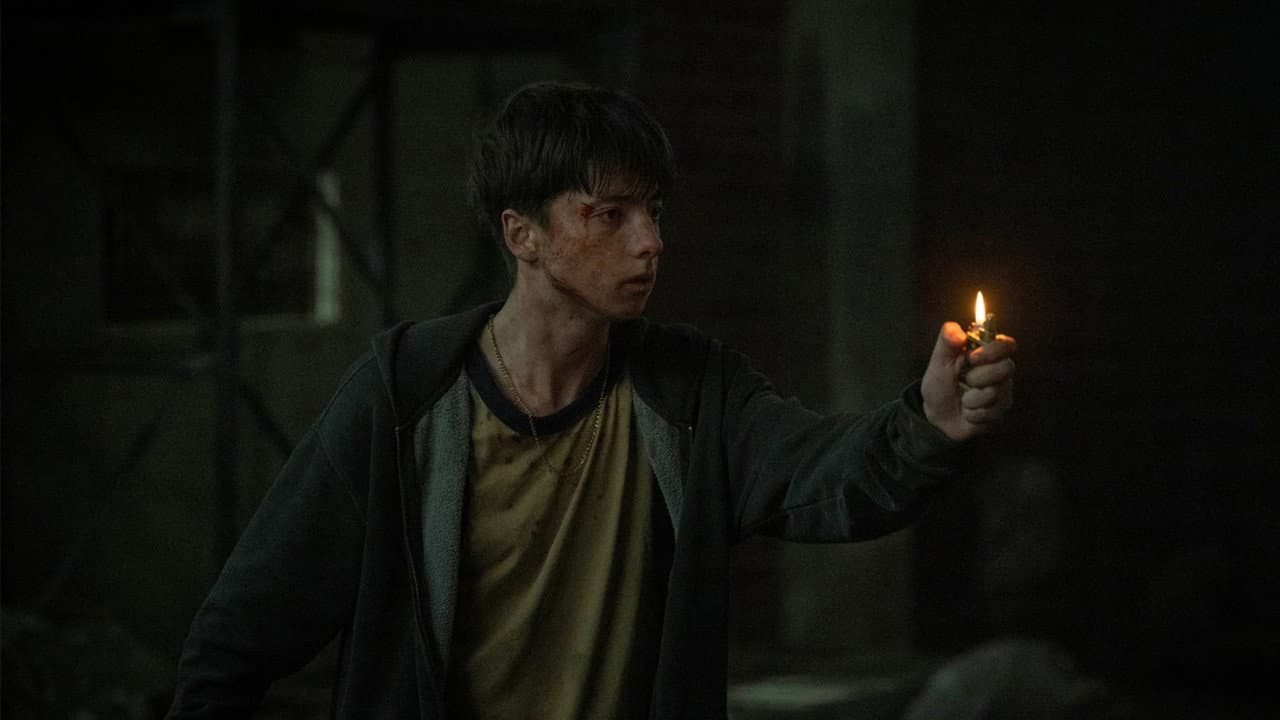
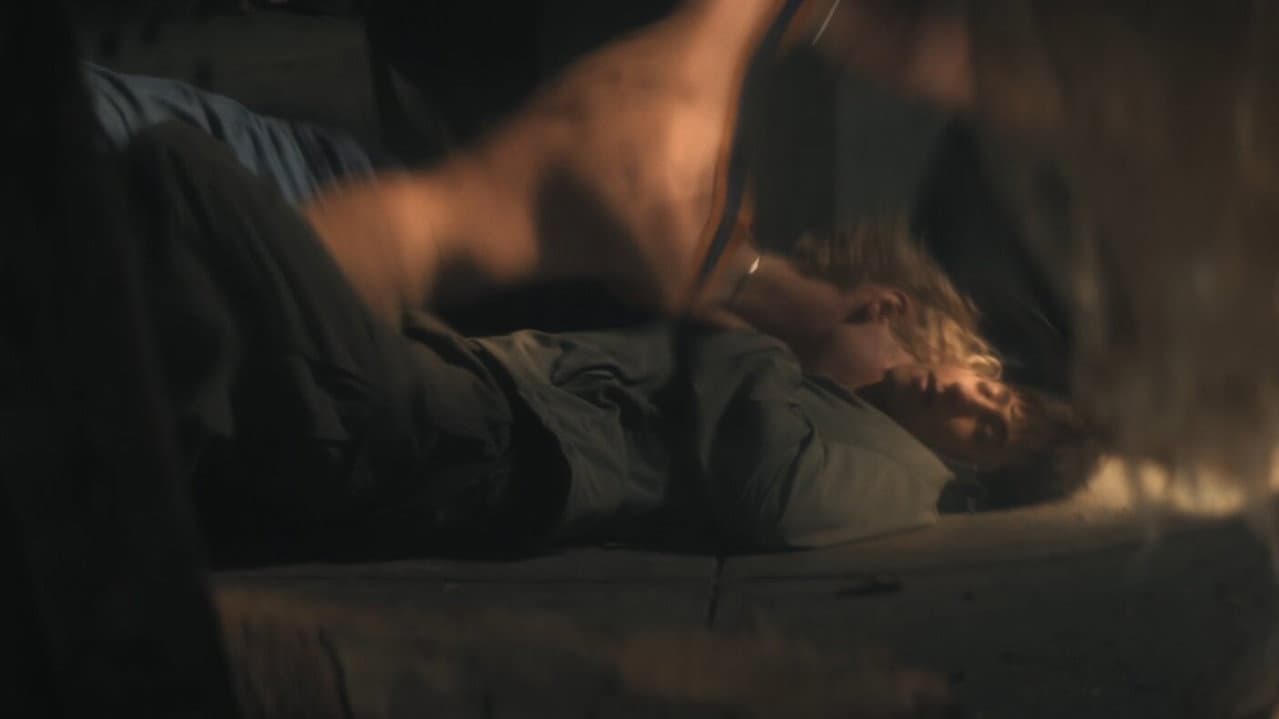
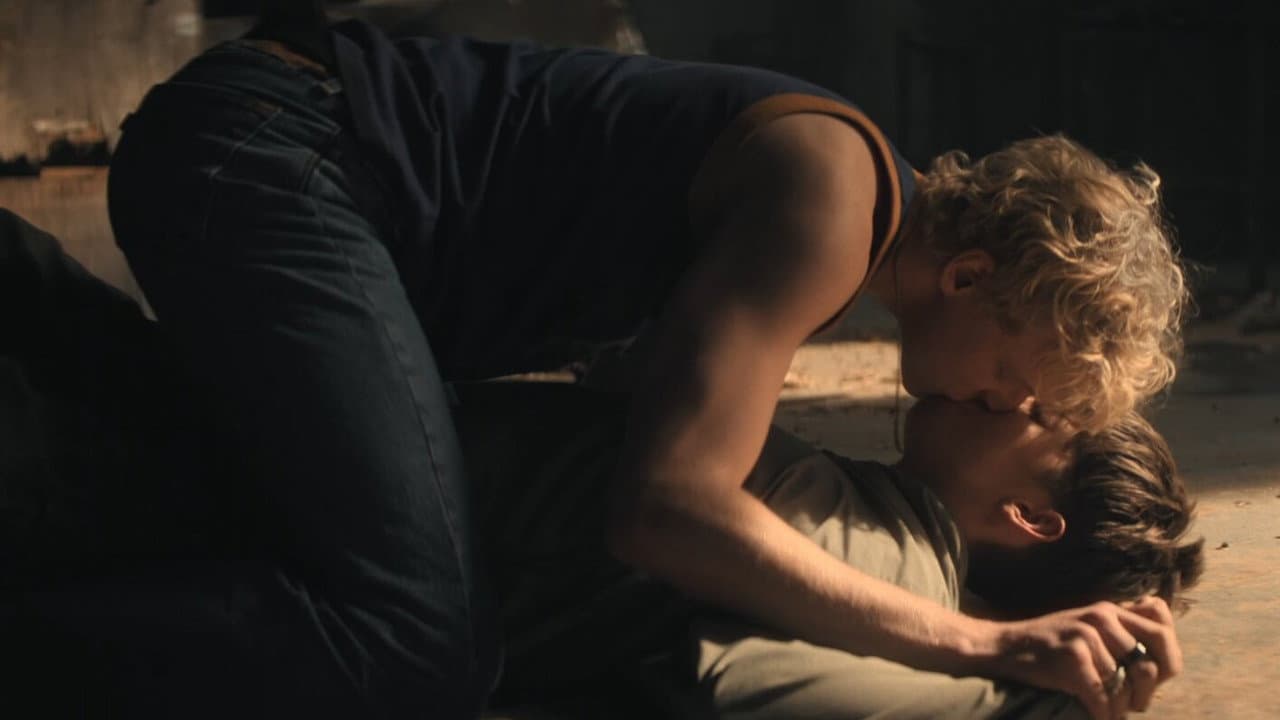
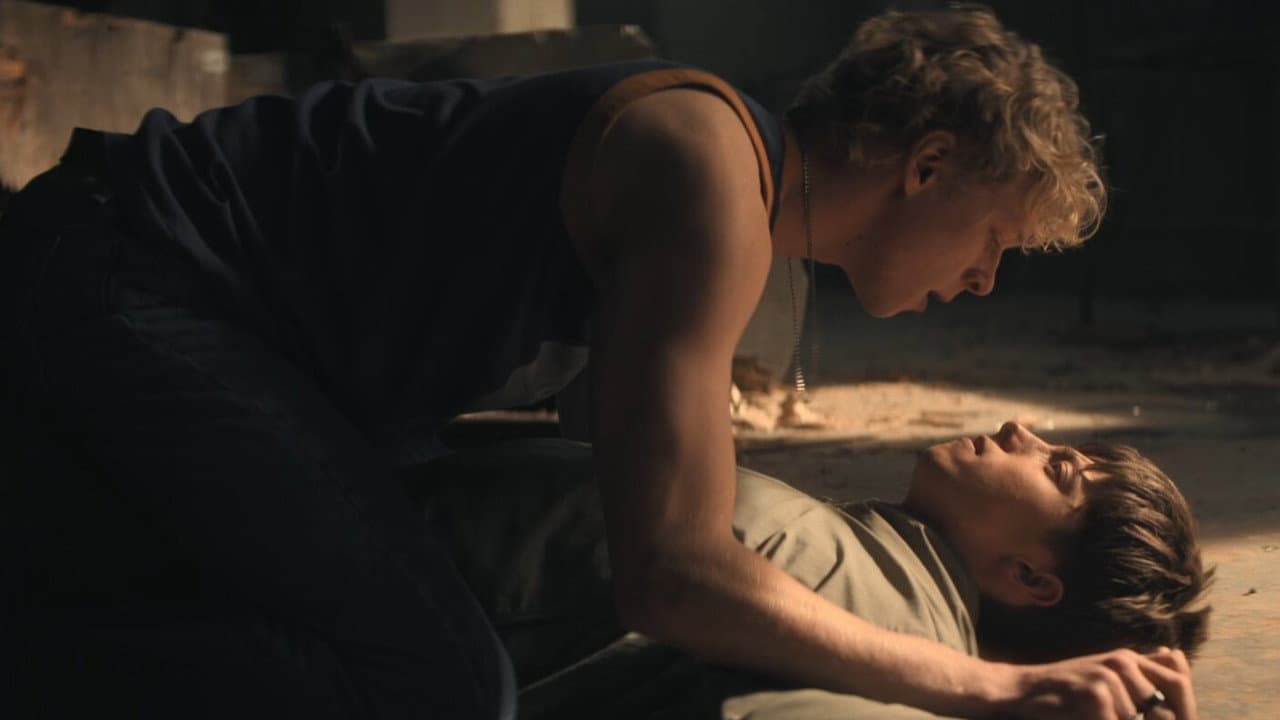
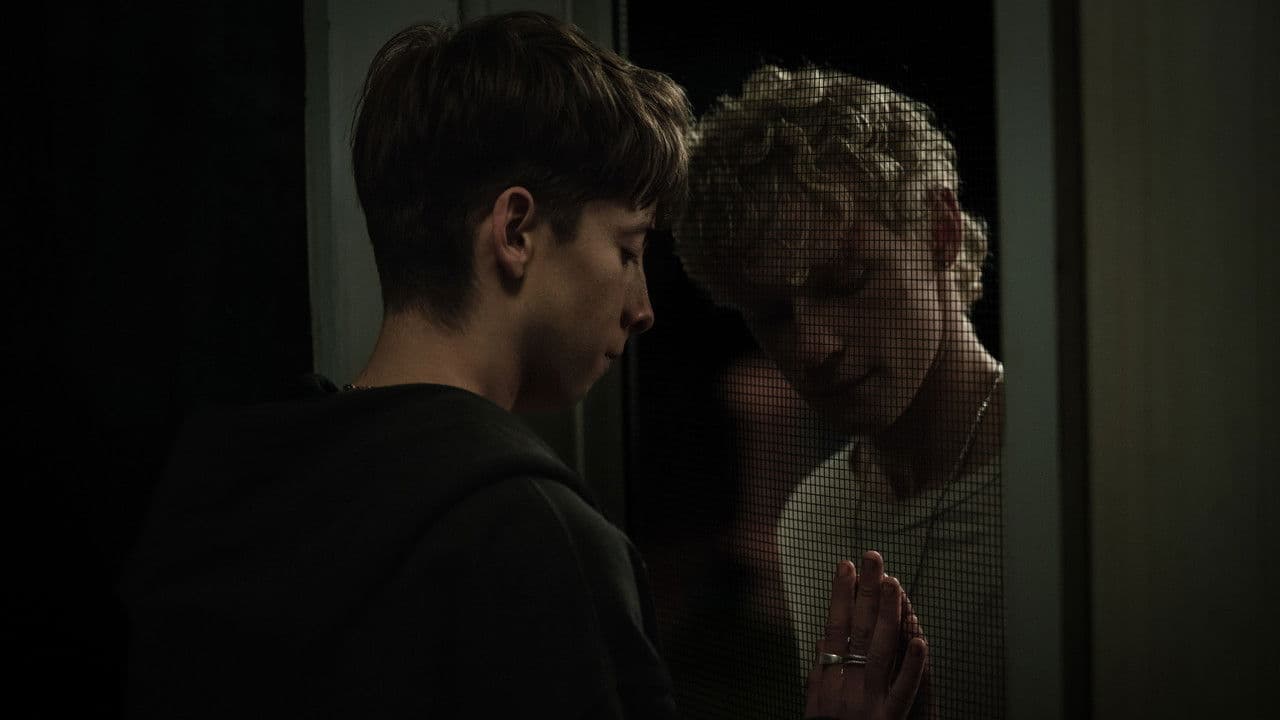
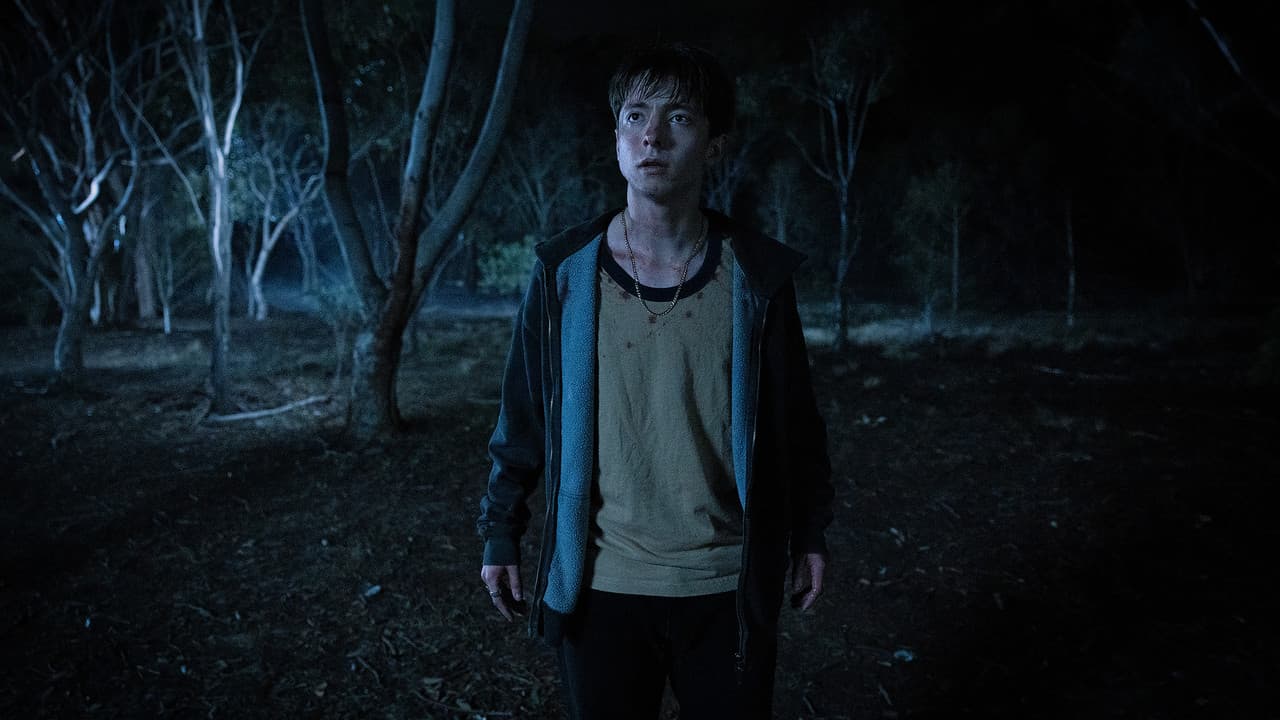
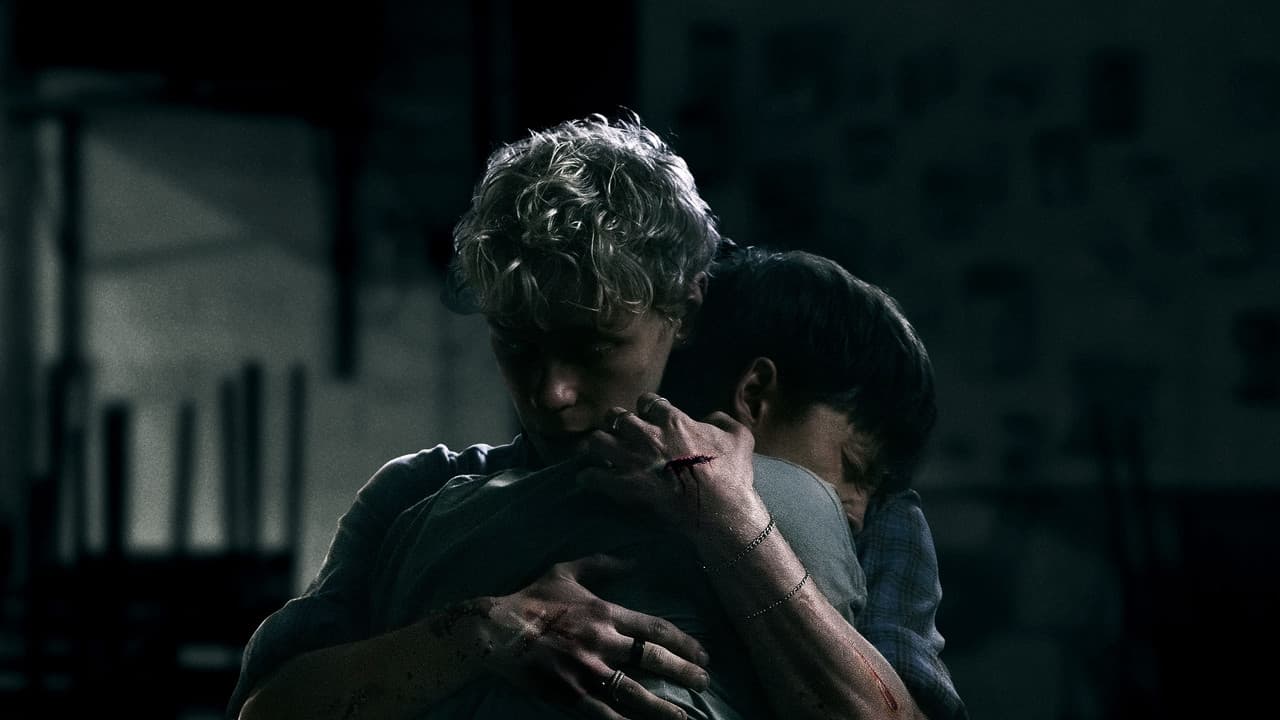
Where Leviticus shines is in its atmosphere. Chiarella, working with a clearly limited budget, turns the Australian outback into a liminal hellscape. The light is harsh and unforgiving during the day; at night, the shadows stretch like hungry fingers. The sound design is equally effective - a constant, low-frequency hum that feels like the world itself is holding its breath. The entity is rarely shown in full, which is a smart choice; its most terrifying forms are the fleeting, almost-correct reproductions of Naim and Ryan. There’s a scene in a cornfield where one boy sees the other approaching, and the way the light burns through the stalks, the almost-right tilt of the head, the slight delay in the smile - it’s genuinely chilling, a masterclass in uncanny valley on a shoestring.
Bird and Clausen are the film’s engine room, and they’re compelling, though their performances are somewhat hampered by a script that leans hard on whispered confessions and lingering glances. Bird carries a wounded intensity that recalls a young Tom Hardy, while Clausen brings a jagged, defensive energy. Their chemistry is undeniable - you believe the pull between them, and that’s what makes the entity’s deception so effective. Mia Wasikowska, as Naim’s mother Arlene, does what she can with a role that’s mostly concerned glances and silent complicity, but the script gives her little to chew on. The film’s real scene-stealer is Nicholas Hope, whose healer is a perfect blend of paternal warmth and predatory hunger; he makes the ideology feel alive and dangerous.
The problems emerge in the film’s pacing and final act. The middle sags slightly, with repetitive chase-and-hide sequences that blur together. More frustrating is the ending, which opts for a torrent of religious iconography and ambiguous symbolism over concrete resolution. It feels ambitious - Chiarella is clearly reaching for a meditation on faith, martyrdom, and self-acceptance - but the execution is muddled. Some images are striking (a baptism gone horribly wrong), but others are just confusing. The film seems to want to have its cake and eat it too: it wants the catharsis of a tragic sacrifice and the hope of a romantic escape, and ends up delivering neither with full conviction. The TMDb rating of 6.4 feels about right - it’s a flawed film, but one whose failures are far more interesting than its successes.