馃幀Advertisement[movie-top-mobile]
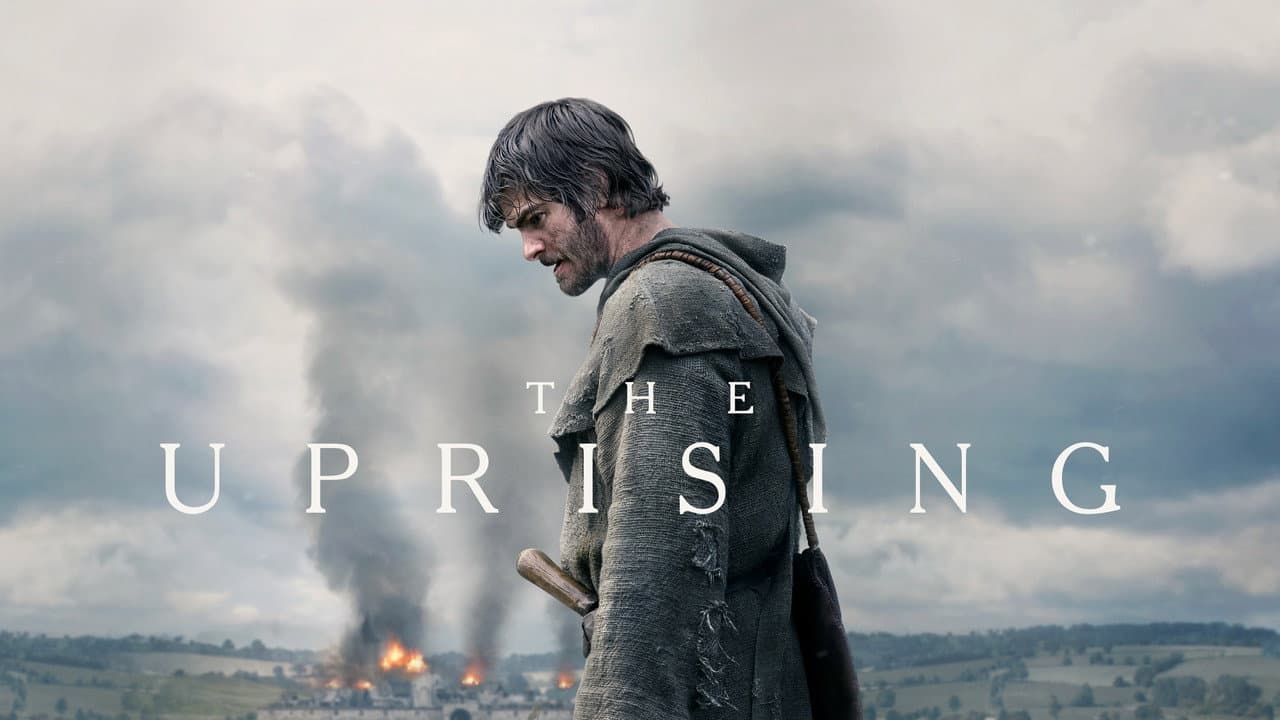
The Uprising (2026) Review: Greengrass's Brutal Medieval
Movie Review

The Uprising (2026) Review: Greengrass's Brutal Medieval

MovieBuzz Desk4 min read
7.2/10Rating

Director

Paul Greengrass

Language

EN

Release

2026-09-10

Runtime

128 min

Quick Verdict

A brutal, breathless historical drama that trades stately reverence for handheld immediacy - and mostly earns it, even when the script can't quite match the direction's conviction.

Story

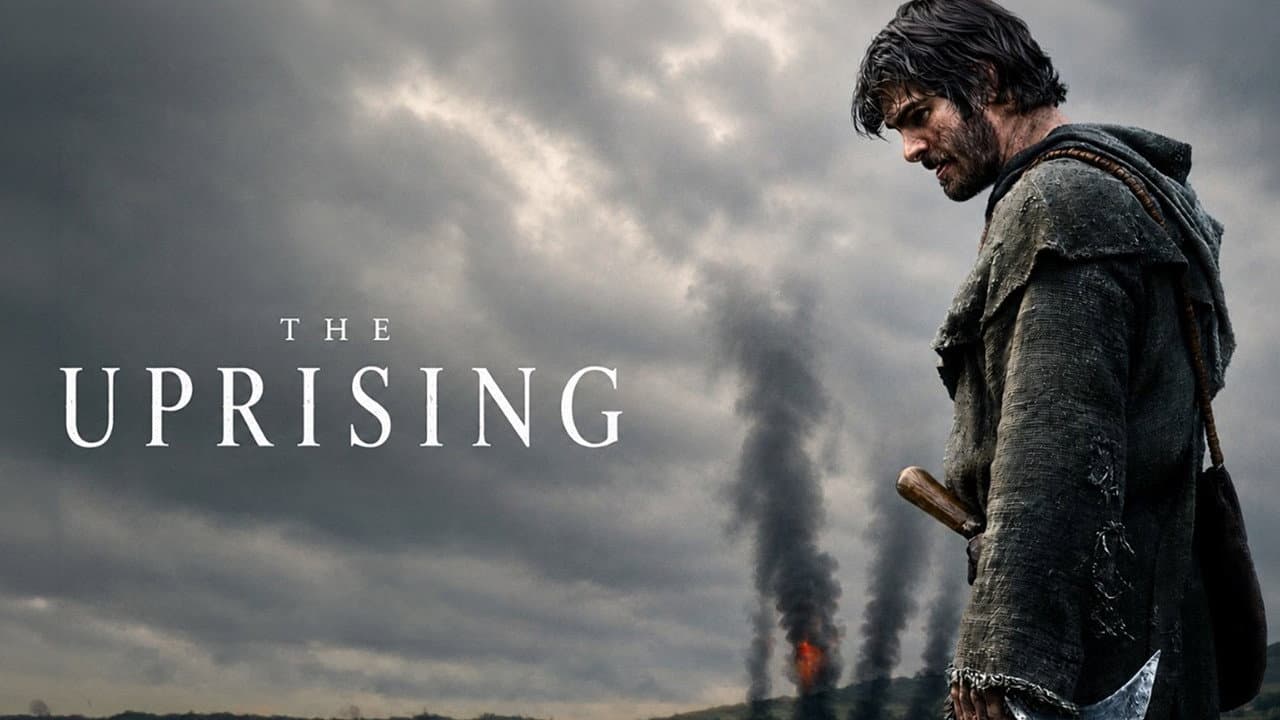
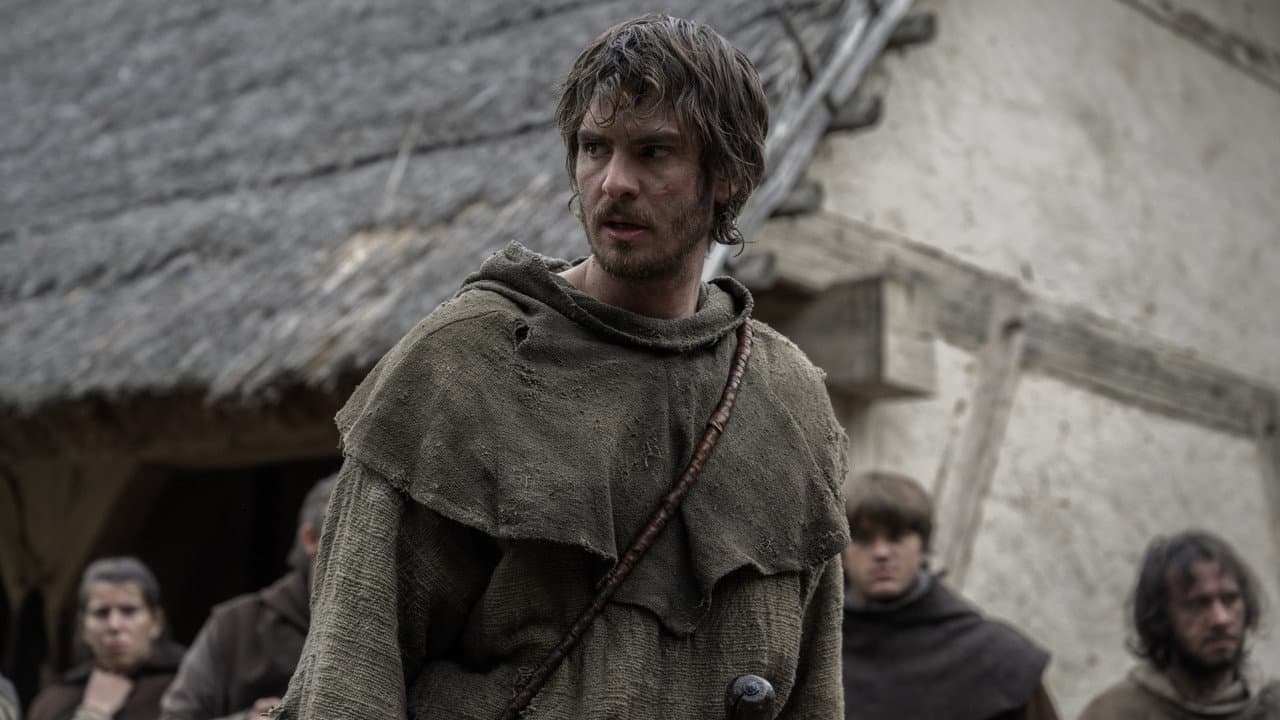
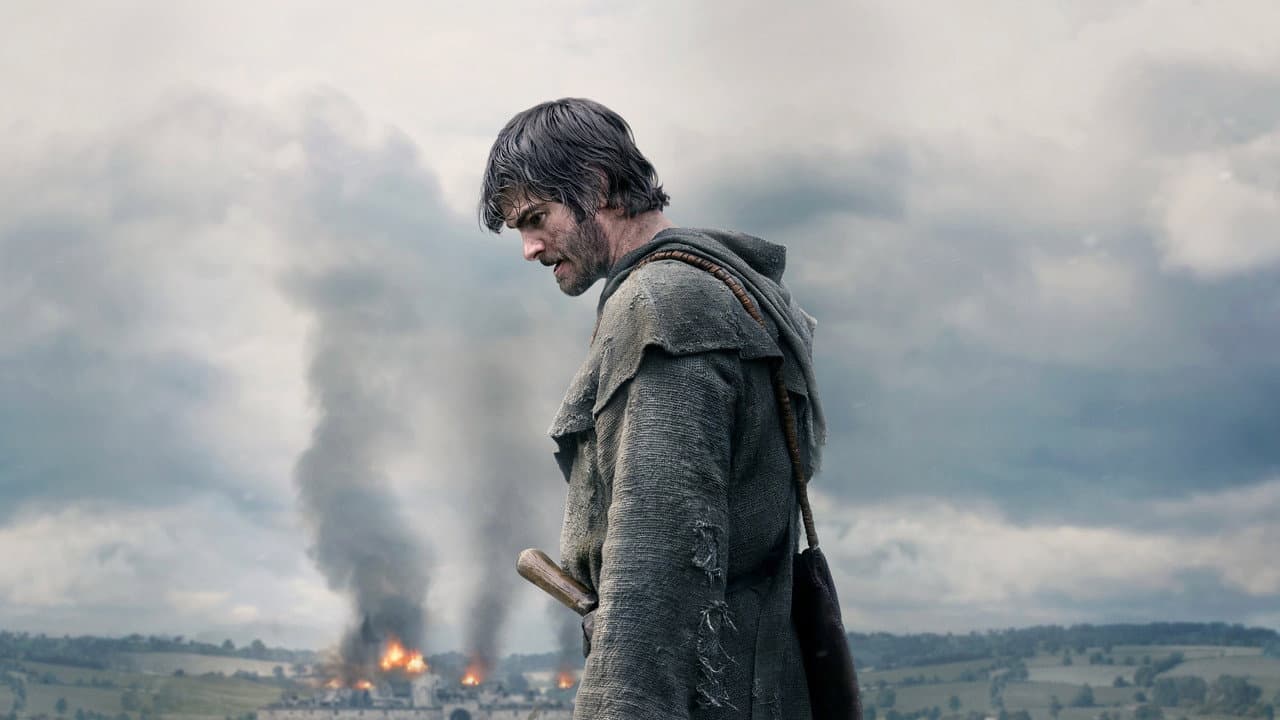
It's 1381, and England is a corpse that hasn't stopped twitching. The Black Death has taken roughly half the population, labour is scarce, and yet the Crown demands yet another poll tax from people who have nothing left to give. Andrew Garfield plays a nameless ploughman - listed in the credits simply as "Ploughman" - whose family is destroyed by the machinery of collection. Grief hardens into purpose, and he falls in with John Ball (Jamie Bell), a radical priest who has been preaching a dangerously simple idea: that the hierarchies of lords and serfs are not divinely ordained but merely enforced.

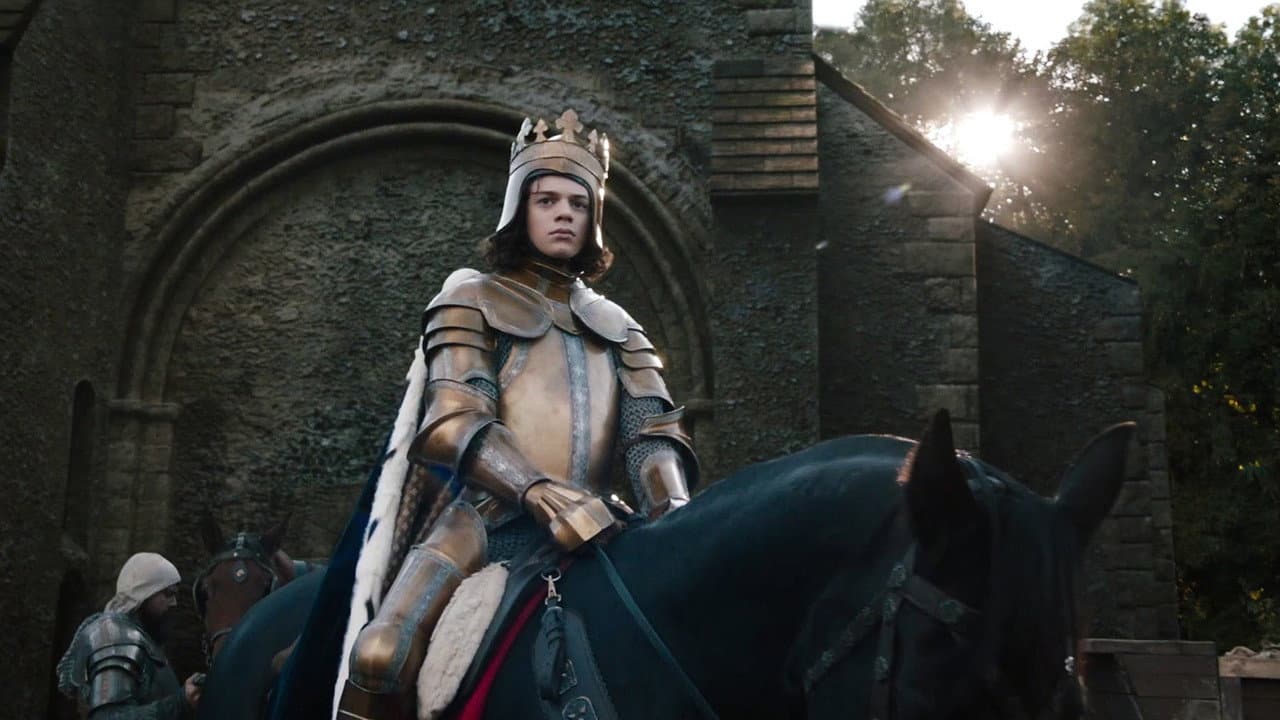
What begins as a village revolt swells into a march on London, with the charismatic Wat Tyler (Cosmo Jarvis) emerging as its military spine while Ball supplies its conscience and the ploughman becomes its reluctant soul. The rebels seize the Tower, execute Archbishop Simon Sudbury (Stephen Dillane) and Treasurer Sir Robert Hales (Tom Hollander), and find themselves face to face with a fourteen-year-old king, Richard II (Woody Norman), who is far cannier than anyone expects. Thomasin McKenzie's Alyce threads through the ranks as a survivor with her own score to settle, while Jonny Lee Miller's William Walworth circles as the blade that will eventually fall.


Review

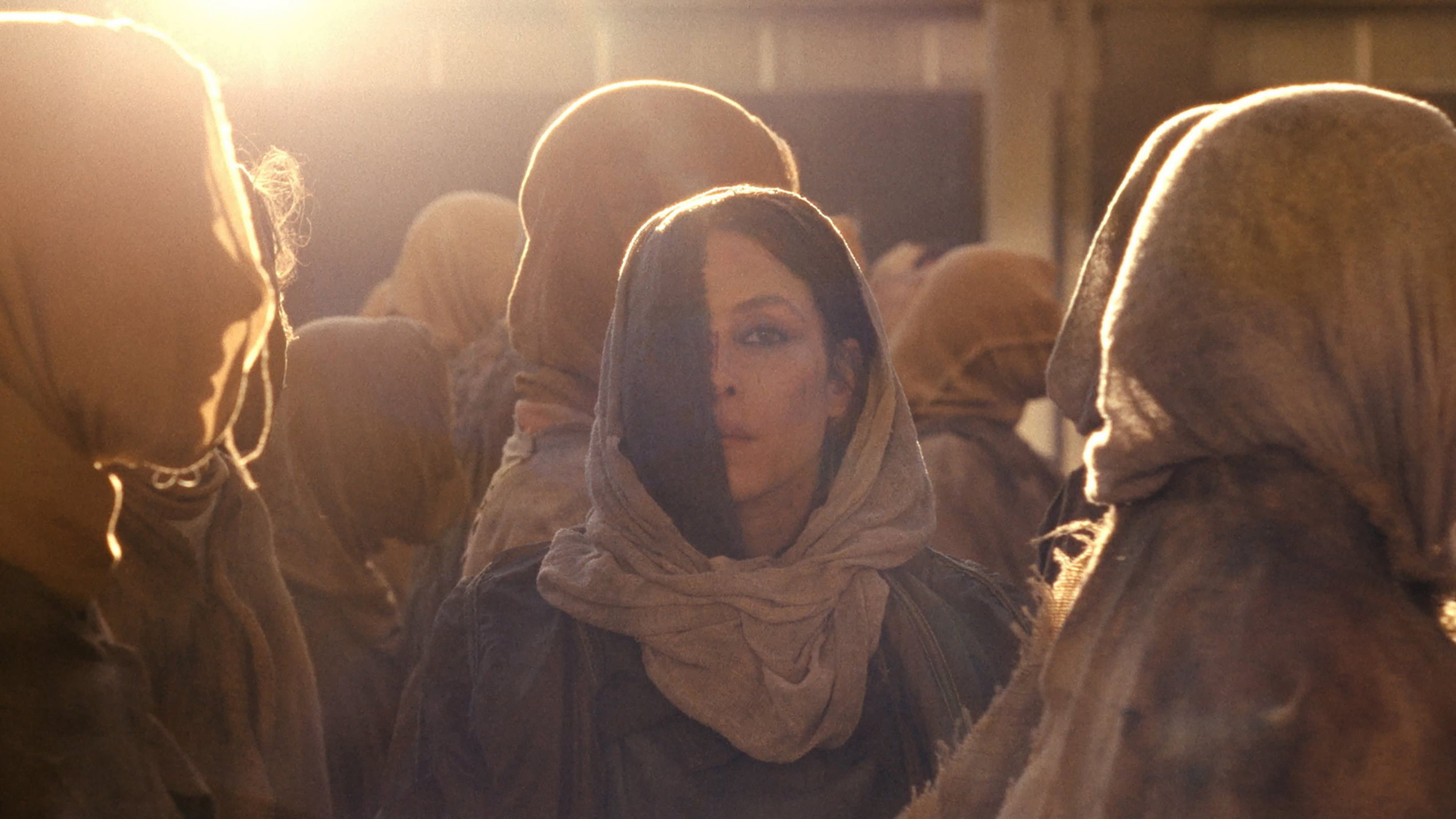
Greengrass directs the peasant army the way he directed Jason Bourne through a Moscow subway: bodies in constant motion, cameras pressed close enough to smell the sweat. It's a gambit that could have looked absurd - medieval warfare shot like a spy thriller - but it works, because the film's central argument is that revolution is chaos, not choreography. The storming of the Tower is genuinely disorienting in the best sense. You feel the crowd's terror and adrenaline as one organism.

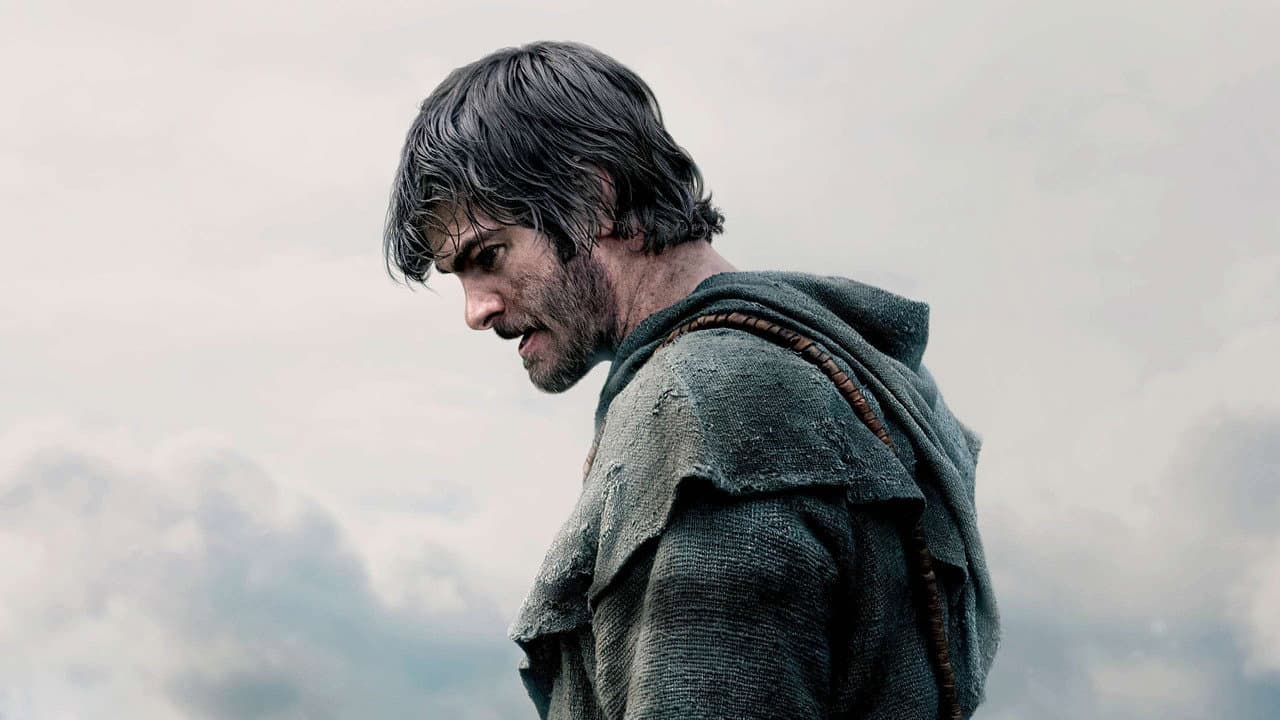
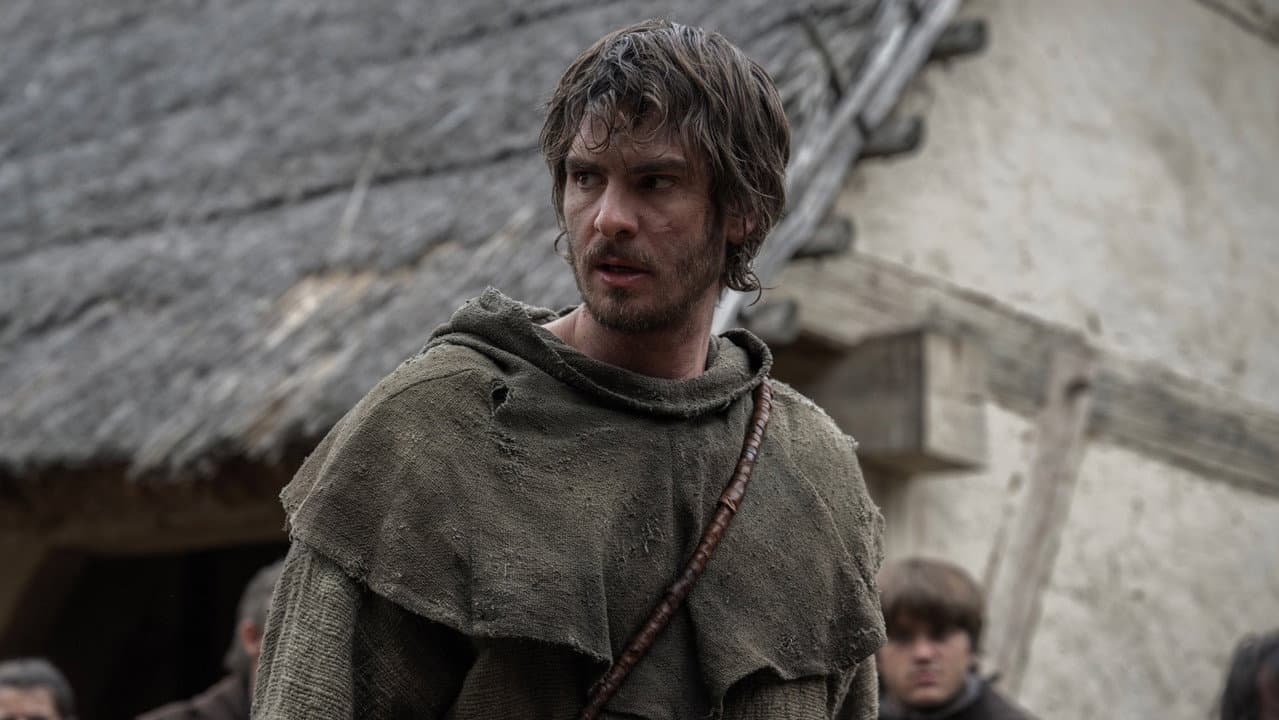
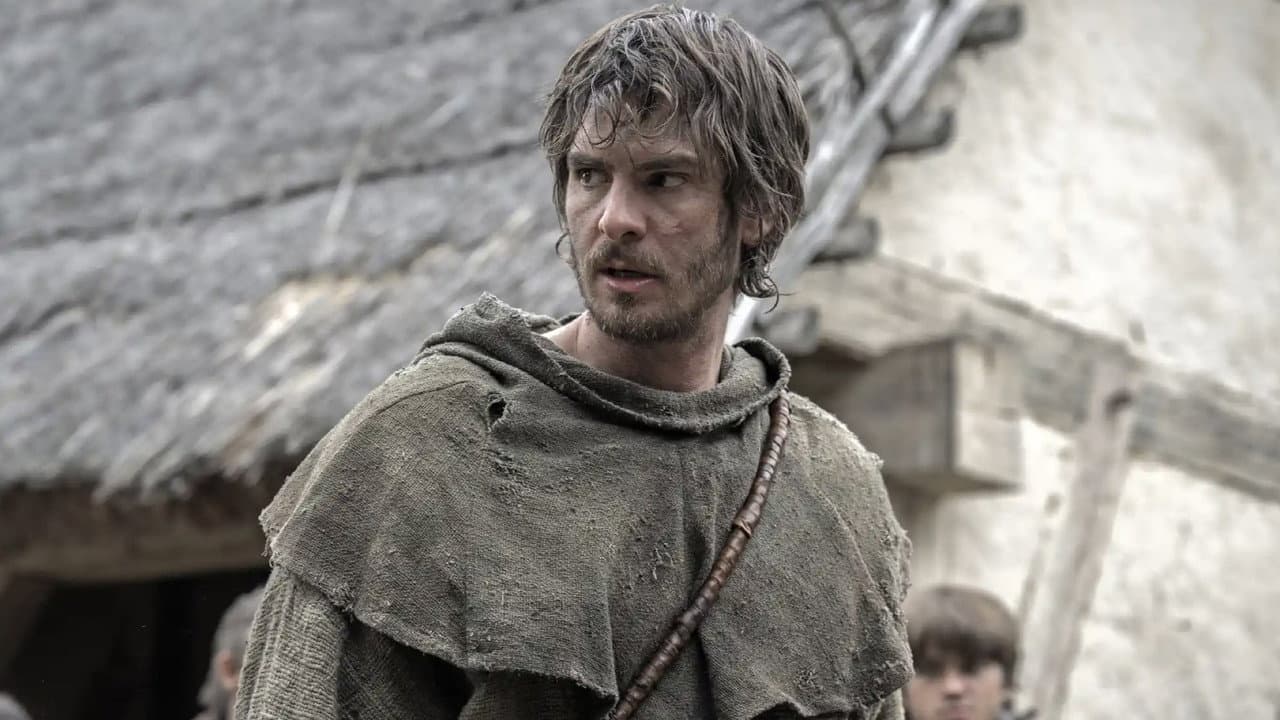
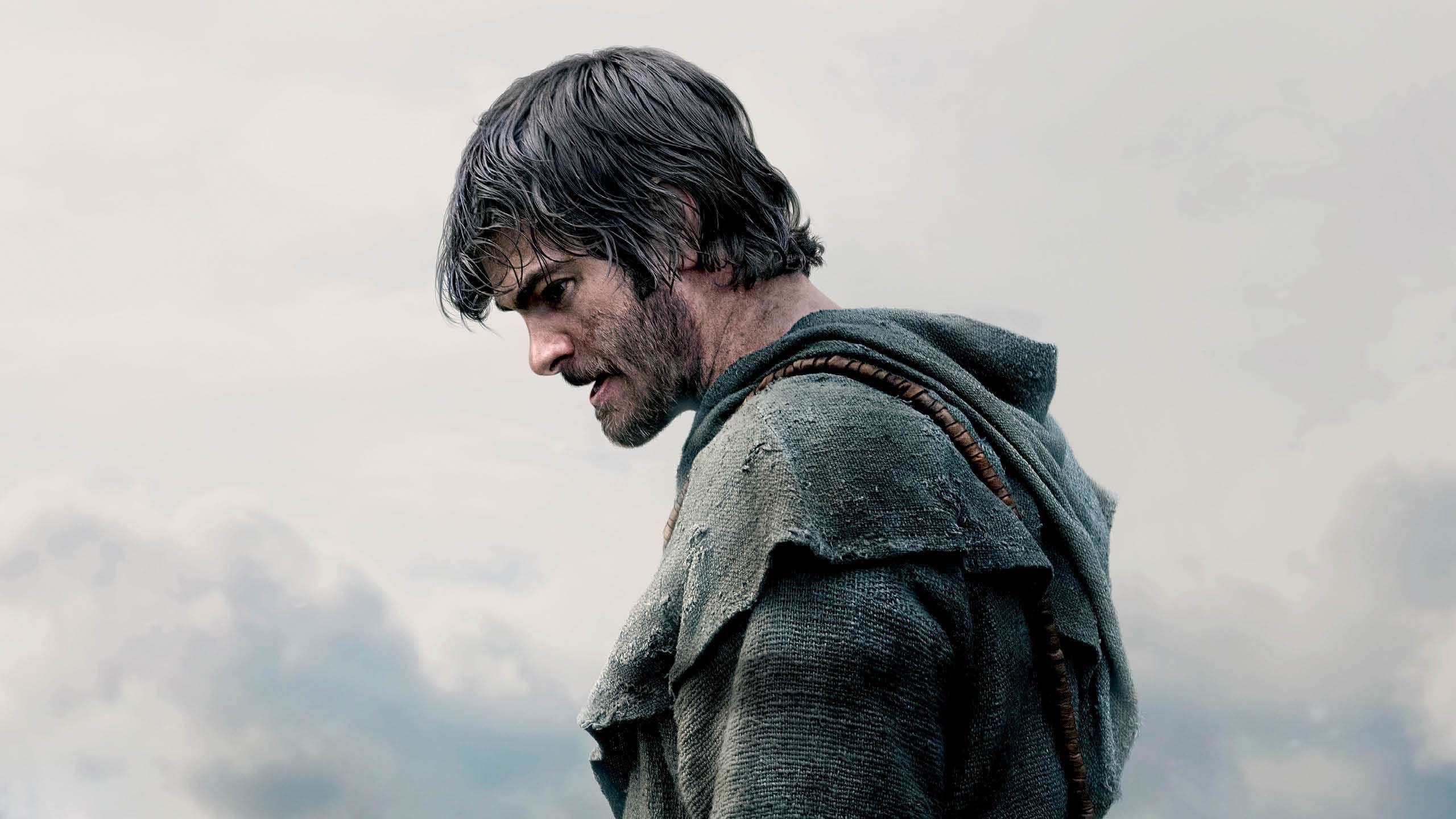
Garfield anchors it with a performance of almost unbearable restraint. He rarely raises his voice; his Ploughman is a man propelled by grief rather than rhetoric, and the film wisely keeps his speeches short. Bell, by contrast, gets the firebrand lines, and he delivers them with a gentleness that makes them land harder. Jarvis brings a coiled physical menace to Tyler, and Norman's Richard is a chilling study in royal entitlement disguised as boyish charm.

Where The Uprising stumbles is in its middle stretch. At 128 minutes, the film sags as it moves from uprising to negotiation, and screenwriter's-brake pacing lets the momentum dissipate just when the stakes are highest. The dialogue occasionally reaches for modern resonance too nakedly - characters articulate ideas about equality that feel more like 2026 talking points than 1381 peasant theology. And the final act, faithful as it is to the historical record, plays its tragedy with a heavy hand, underlining themes the images had already made plain.

Still, when Greengrass locks in, this is riveting, angry filmmaking. The climactic confrontation at Smithfield is a masterclass in escalating dread, and the film's refusal to offer easy catharsis feels honest rather than nihilistic. It's a movie about how power concedes nothing without a demand - and how even a demand, once made, can be betrayed.

Pros & Cons

Pros

  • Greengrass's kinetic direction makes 14th-century revolt visceral and immediate
  • Andrew Garfield's understated lead performance grounds the chaos in genuine grief
  • Superb ensemble, particularly Bell, Jarvis, and a quietly menacing Woody Norman
  • Production design and sound work build an immersive, unromantic medieval England

Cons

  • The mid-film pacing sags during the shift from revolt to negotiation
  • Some dialogue feels anachronistically modern in its phrasing
  • The final act overstates themes the visuals already conveyed

Rating Breakdown

Direction9.0/10
Performances8.0/10
Screenplay6.0/10
Cinematography & Sound9.0/10
Pacing6.0/10
Emotional Impact8.0/10

Final Verdict

The Uprising is uneven but impossible to shake. Greengrass brings the same ferocity to medieval England that he brought to modern espionage, and Garfield's quiet, devastating turn ensures the film's beating heart never stops. It's not a perfect history lesson, but it's a potent one - and it lands with more force than most films twice its confidence.

馃幀Advertisement[movie-in-content]

Cast

Andrew Garfield

Andrew Garfield

Ploughman

Jamie Bell

Jamie Bell

John Ball

Stephen Dillane

Stephen Dillane

Simon Sudbury

Tom Hollander

Tom Hollander

Sir Robert Hales

Cosmo Jarvis

Cosmo Jarvis

Wat Tyler

Thomasin McKenzie

Thomasin McKenzie

Alyce

Jonny Lee Miller

Jonny Lee Miller

William Walworth

Woody Norman

Woody Norman

Richard II of England

Katherine Waterston

Katherine Waterston

Joan of Kent

Stanley Townsend

Stanley Townsend

Robert Bealknap

Sky Yang

Sky Yang

Scribe

D贸nal Finn

D贸nal Finn

Village Priest

Gallery

The Uprising (2026) Review: Greengrass's Brutal Medieval still 1
The Uprising (2026) Review: Greengrass's Brutal Medieval still 2
The Uprising (2026) Review: Greengrass's Brutal Medieval still 3
The Uprising (2026) Review: Greengrass's Brutal Medieval still 4
The Uprising (2026) Review: Greengrass's Brutal Medieval still 5
The Uprising (2026) Review: Greengrass's Brutal Medieval still 6
The Uprising (2026) Review: Greengrass's Brutal Medieval still 7
The Uprising (2026) Review: Greengrass's Brutal Medieval still 8

Similar Movies

#Review#Movies#Entertainment#2026
馃幀Advertisement[movie-bottom-mobile]

Join Our Mailing List

We will send you the best movie reviews, celebrity news and entertainment updates from Movie Buzz each week.