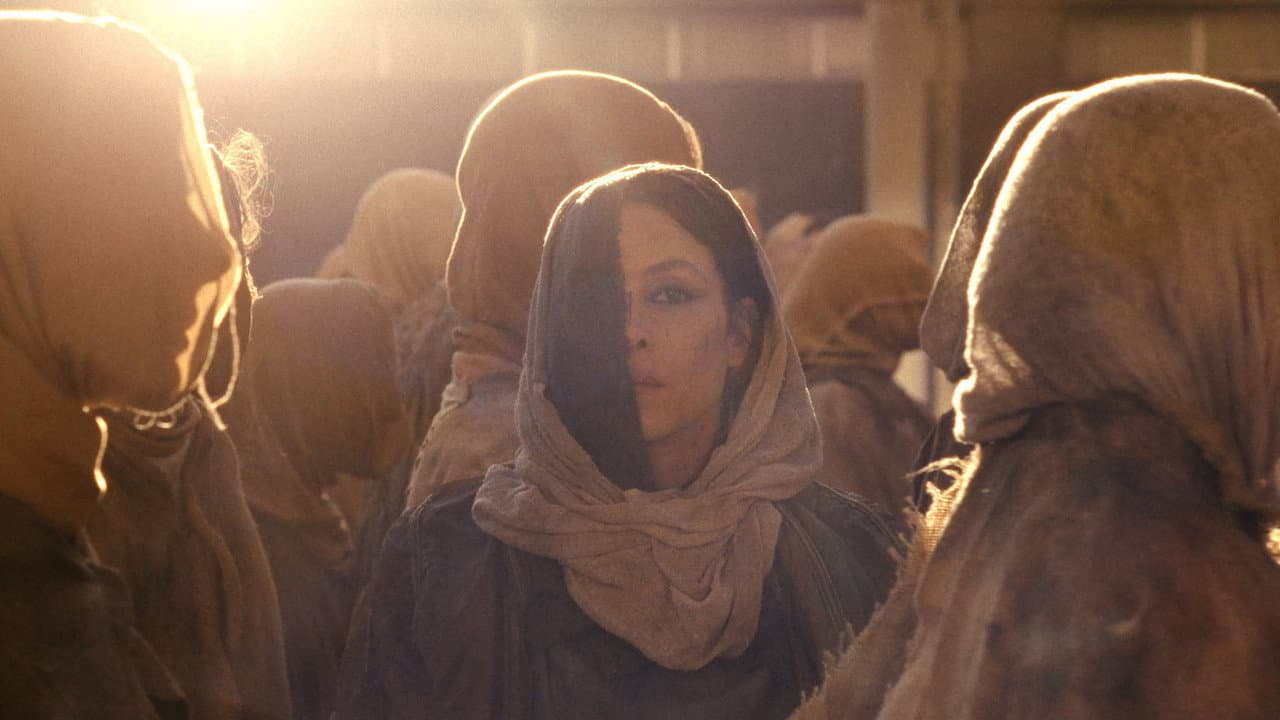
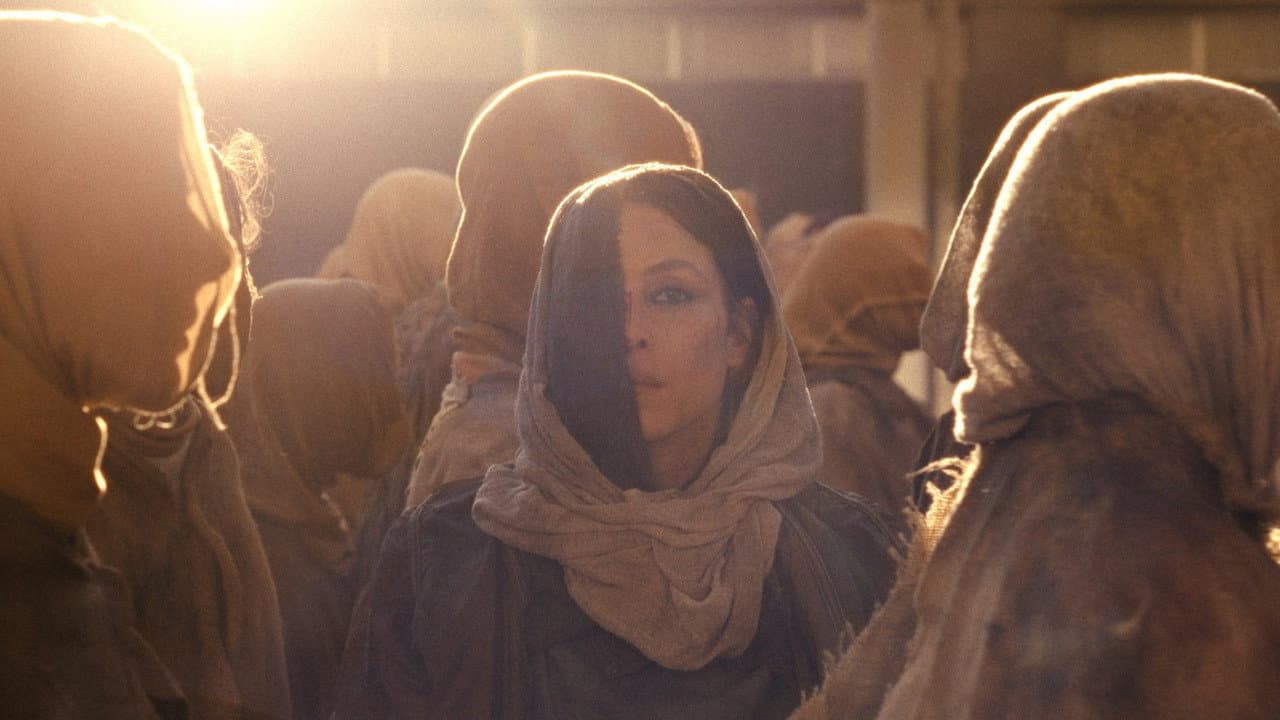
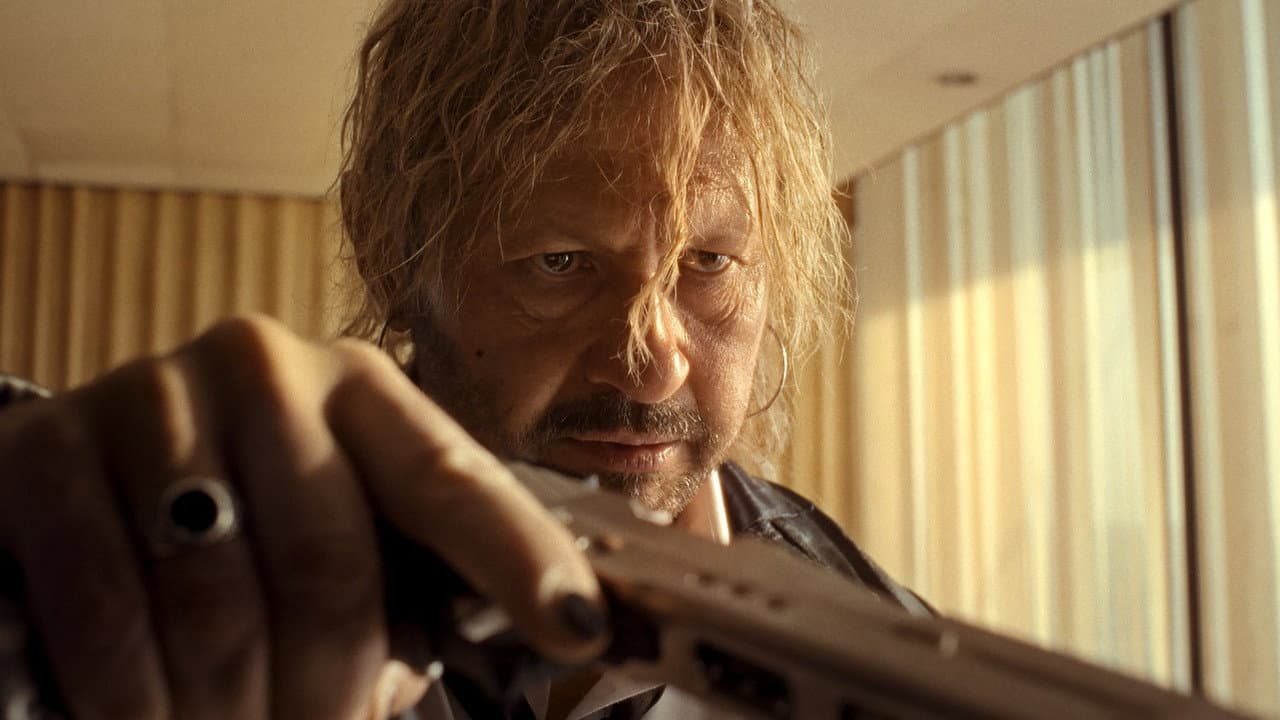
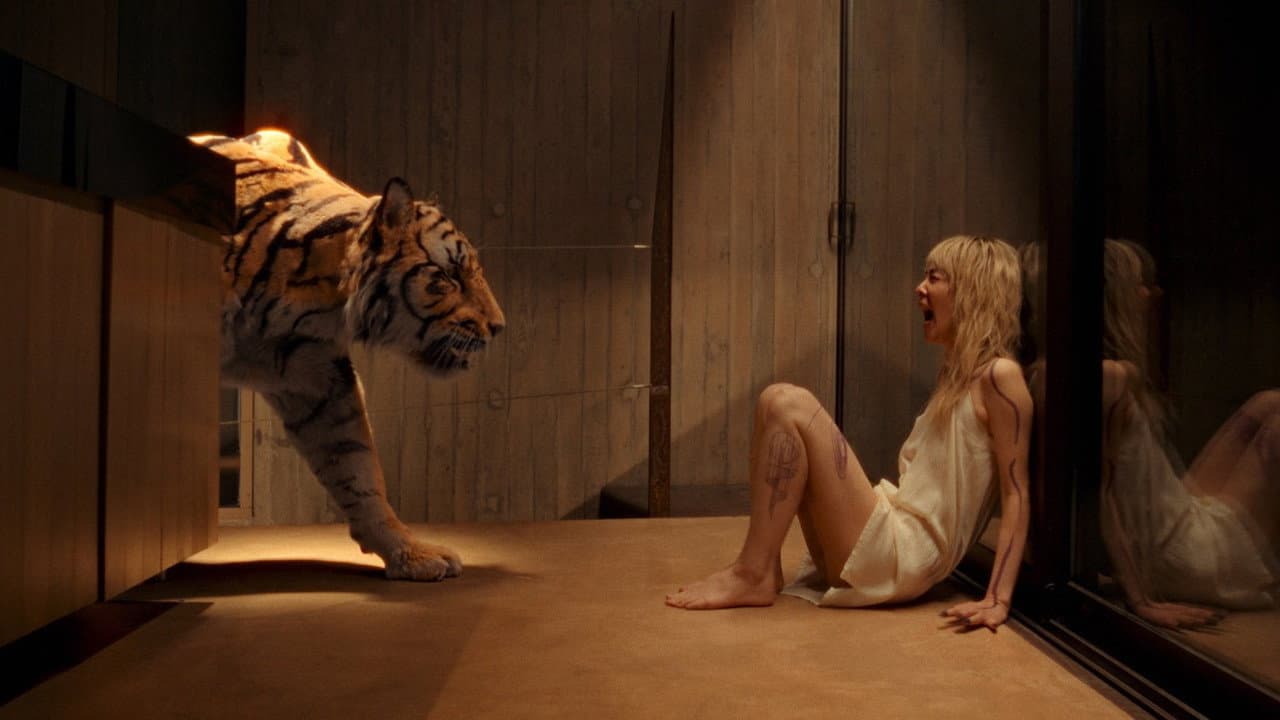
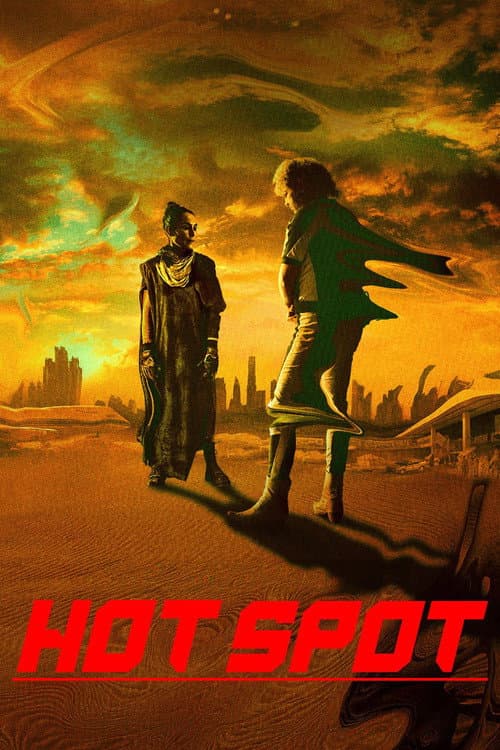
Where "Hot Spot" soars is in its atmosphere. Smoczyńska builds a near-future that feels less like a prediction and more like a fever dream of the present, all neon bleed and analog decay pressing against synthetic perfection. The production design is genuinely singular, and the film's best sequences unfold like music videos with a pulse. It is no surprise that the fantasy tag sits alongside science fiction and crime in its DNA; the movie keeps slipping into heightened, dreamlike registers that reject strict genre logic.
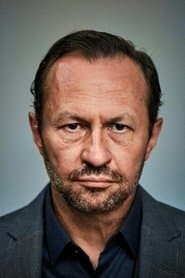
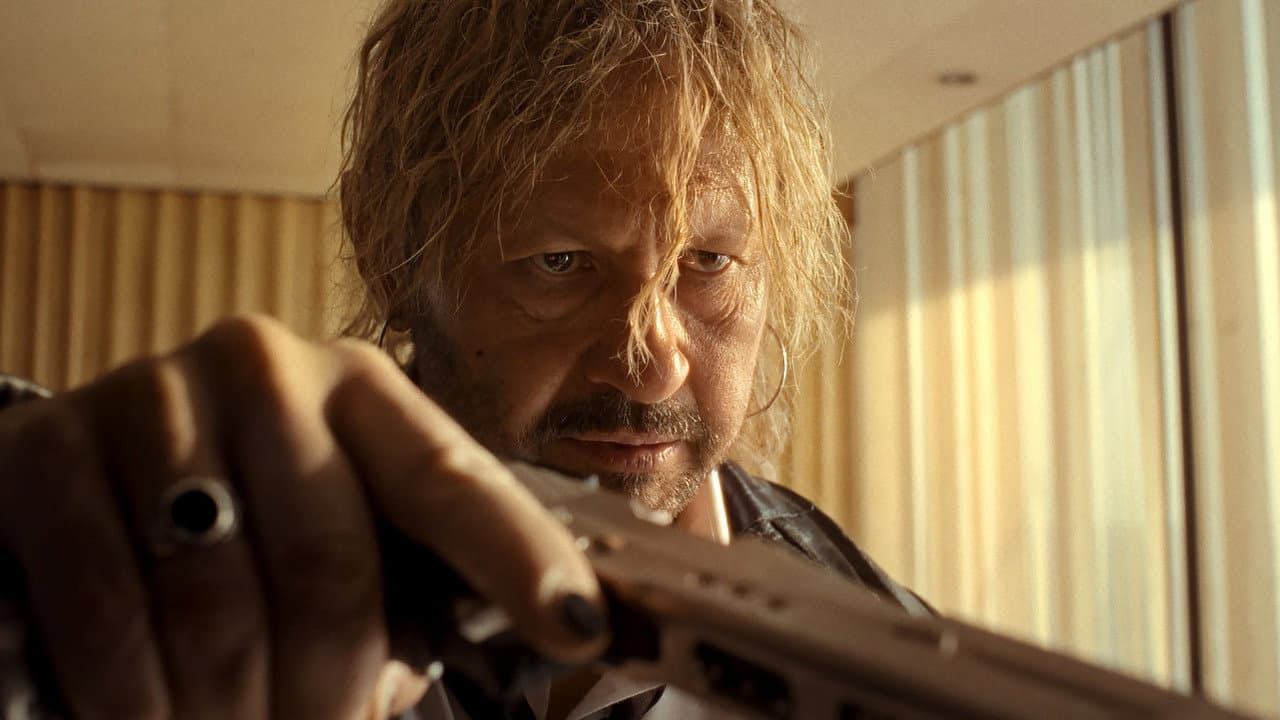
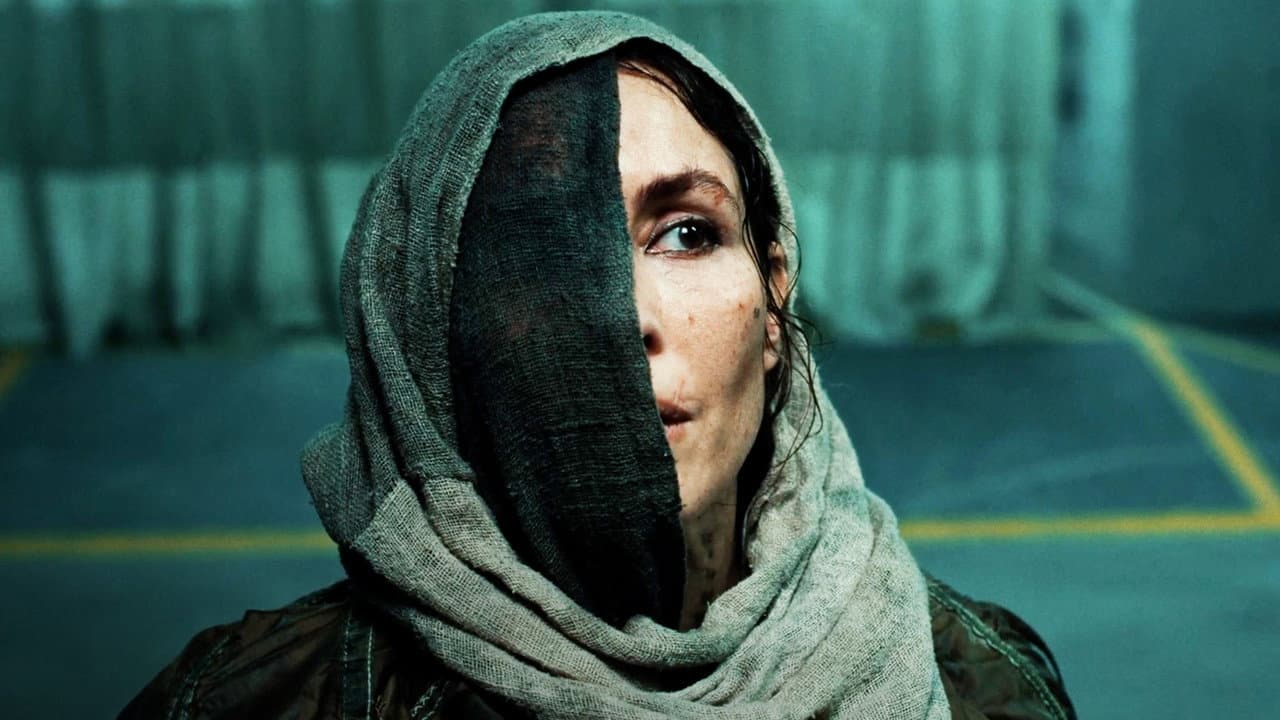
Konopka anchors the chaos beautifully. His Jan is a man slowly losing the argument with himself, and the actor plays that erosion with a stillness that makes the meltdown land. Noomi Rapace brings a coiled, ambiguous energy as Rana, a figure whose loyalties the film wisely keeps blurred. Reika Kirishima's Ayka and Reika Kirishima's quiet intensity add texture to a cast that understands the assignment: perform like memory itself is unreliable.
The problems are structural. At 101 minutes, "Hot Spot" still feels overstuffed and underwritten at once. Smoczyńska generates mood with abandon but withholds momentum, and the middle stretch sags under repeated revelations that don't compound so much as circle. The rebel-group thread, theoretically the political spine, stays vague enough that its menace never fully materializes. By the time the hypnotic meltdown arrives in the final act, it plays as aesthetic crescendo rather than earned resolution.
Then there are the scores. A 4.8 on TMDb and 4.6 on IMDb suggest viewers are far less forgiving than the visuals deserve, and it's easy to see why: this is a film that frustrates the instinct for coherence at nearly every turn. Whether that's a bug or a feature depends entirely on your tolerance for ambiguity. I'd argue it's about sixty percent intentional, forty percent unresolved, and the movie never quite convinces you it knows the difference.