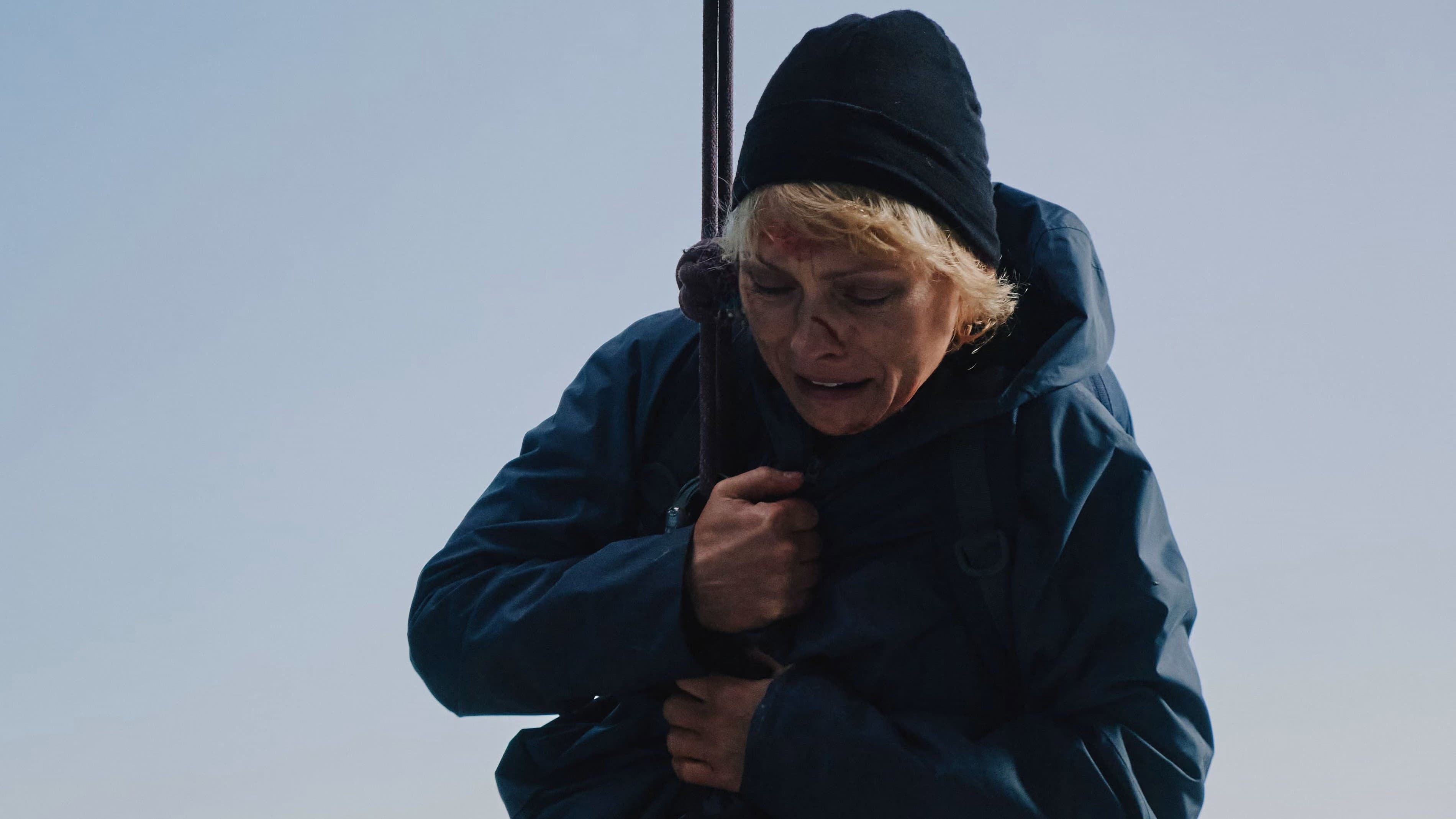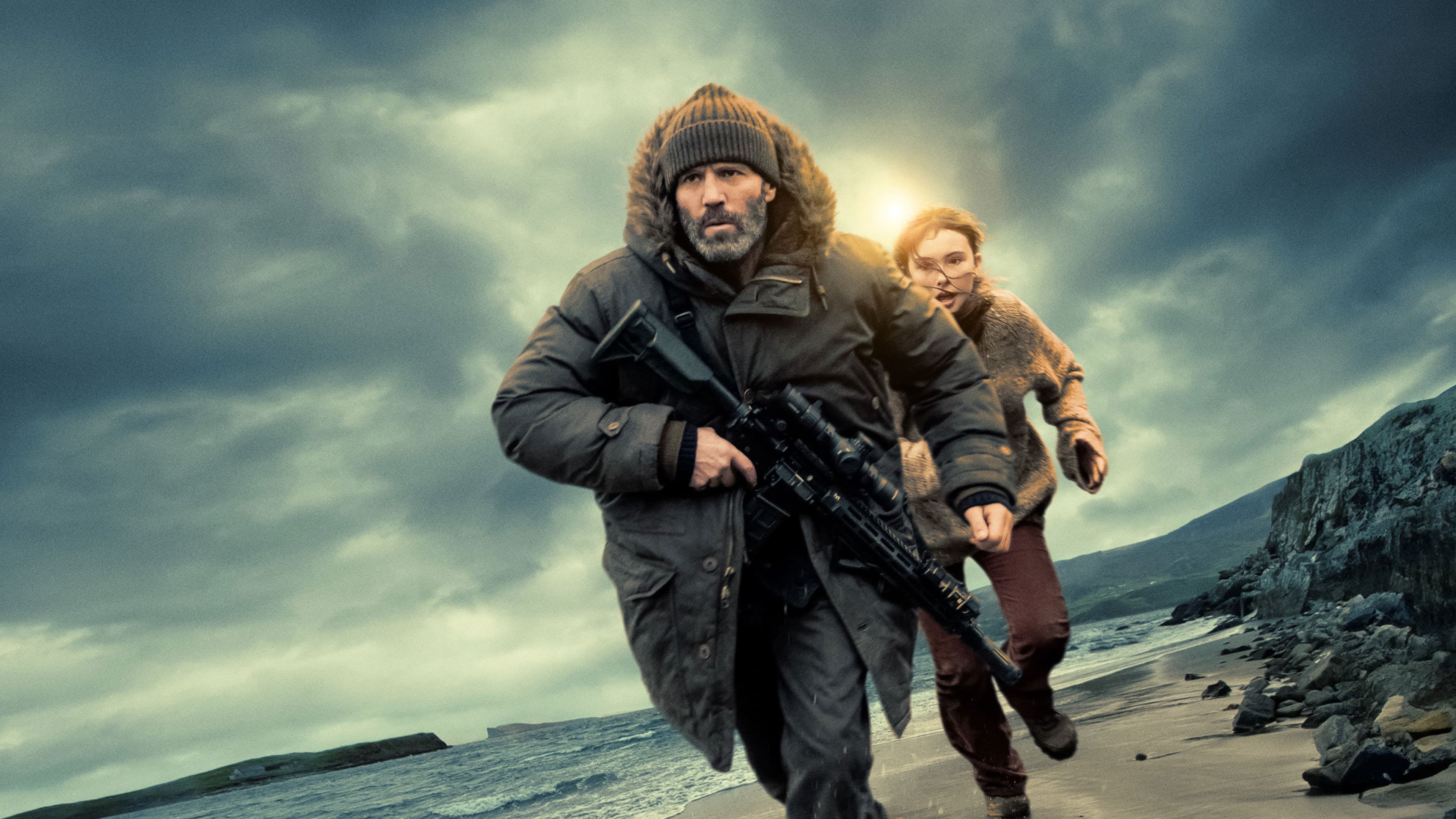
The opening scene of Shelter is almost wordless. Mason, played by Jason Statham with a beard grown for a decade of solitude, watches the horizon from a rain-lashed shack. He’s a man who has built a life out of silence and walls, on an island that offers no witnesses. Then the storm arrives, and with it, a small, drenched figure stumbling out of the surf - Jesse, a girl of maybe nine, played with startling, wide-eyed resolve by Bodhi Rae Breathnach. Ric Roman Waugh, the director known for grinding his action heroes through the gears of real-world grit, doesn’t rush this moment. He lets the wind and the water do the talking, establishing a mood of menace so thick you could choke on it, before the first punch is even thrown.
But this is a Jason Statham movie, so the punches do come. Shelter, streaming now on OTT Stories, is a taut 107-minute exercise in reluctant violence. Mason wants to patch up the girl and send her on her way, but Jesse doesn't know where “her way” is. She only knows that bad men are after her - men who answer to Booth (Daniel Mays), a slick, merciless fixer with a government client. When Booth’s crew lands on the beach, Mason’s hermitage is violated, and the film’s central engine kicks in: the inescapable gravity of a past he thought he’d drowned.
The setup is familiar territory - the lone wolf, the innocent, the trail of bodies - but Waugh treats the material with a grim seriousness that elevates it above mere genre exercise. The action sequences are shot with a brutal, close-quarter choreography. There’s a fight in a boathouse that relies less on wire-work than on Statham’s punishing physicality, each thud landing with a sense of genuine consequence. This is a man protecting a child, not performing a highlight reel. The island itself becomes a character, all jagged cliffs and deceptive calm, shot by cinematographer (and uncredited collaborator) with a muted palette that makes the occasional burst of blood feel shockingly vivid.
Where Shelter could have easily become a two-hour chase, it instead finds its pulse in the relationship between the two leads. Statham, often typed as a deadpan quip-machine, dials the humor way down. Mason is a man of few words, haunted by an event involving a shadowy intelligence figure named Manafort (Bill Nighy, lending his grave gravitas to a brief but crucial role). The girl, Jesse, isn't a prop. Breathnach’s performance is remarkably grounded, avoiding the saccharine traps of the “cute kid” archetype. She’s scared, sharp, and occasionally annoying in a way that feels authentically childlike, which makes Mason’s reluctant awakening to paternal instinct all the more believable.
As the plot tightens, the film expands its scope, pulling in Naomi Ackie as Roberta, a weary operative with her own conflicted loyalties, and Harriet Walter as Prime Minister Fordham, a cold figurehead whose role in Mason’s past is the film’s central, corrosive secret. The political thriller elements add a layer of intrigue that keeps the stakes higher than a simple survival story. Mason isn’t just fighting off thugs; he’s unearthing a conspiracy that reaches the highest levels of power. It’s a smart choice that grounds the violence in a cynical, plausibly corrupt world.
The critics have been divided, and that’s fair. While the TMDb audience score soars at a hearty 7.785, the IMDb consensus sits at a more measured 6.1. This discrepancy tells you everything: this is a genre picture that knows exactly what it is. If you’re looking for the nihilistic sheen of a John Wick, you’ll be disappointed. If you crave the dirty, desperate energy of a ’70s revenge thriller, Shelter delivers in spades. It’s lean, mean, and surprisingly emotional in its final act.
The climax, a showdown in a narrow shipping container, is a masterclass in claustrophobic tension. But the film’s last shot, a quiet moment on a boat that feels like neither a victory nor a defeat, lingers. Mason has found no redemption, only a reason to keep moving. For a Statham vehicle, that’s a rare and welcome kind of sophistication. Shelter doesn’t just show you a man forced to fight; it shows you why he wanted to stop - and exposes the brutal cost of starting again. It’s a storm you won’t mind weathering.