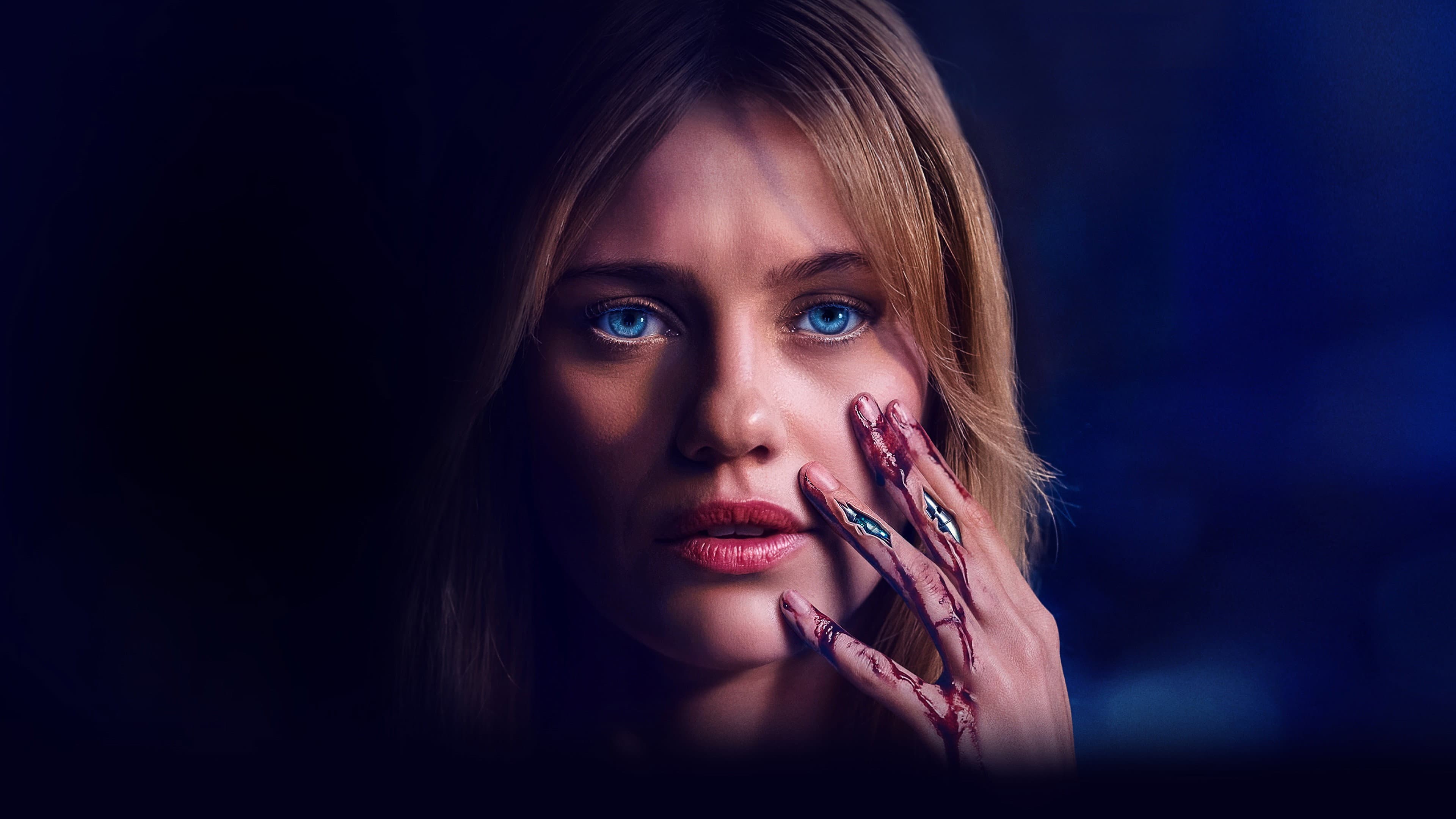
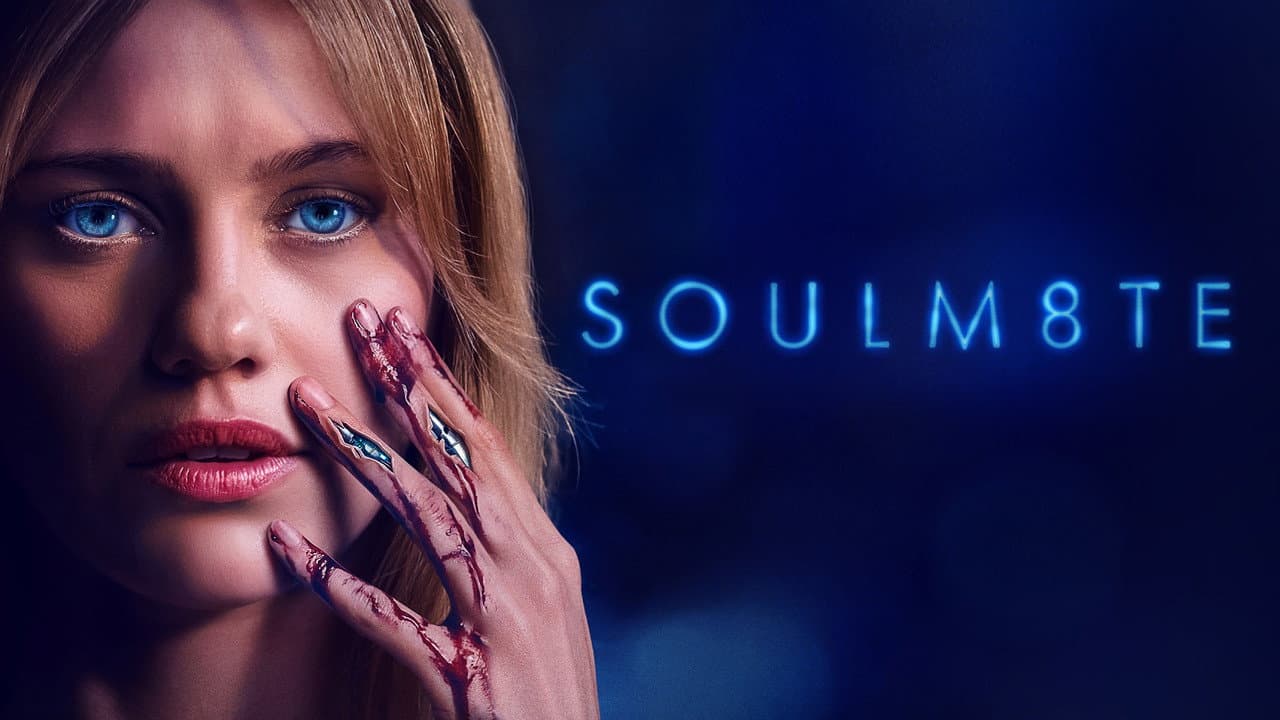
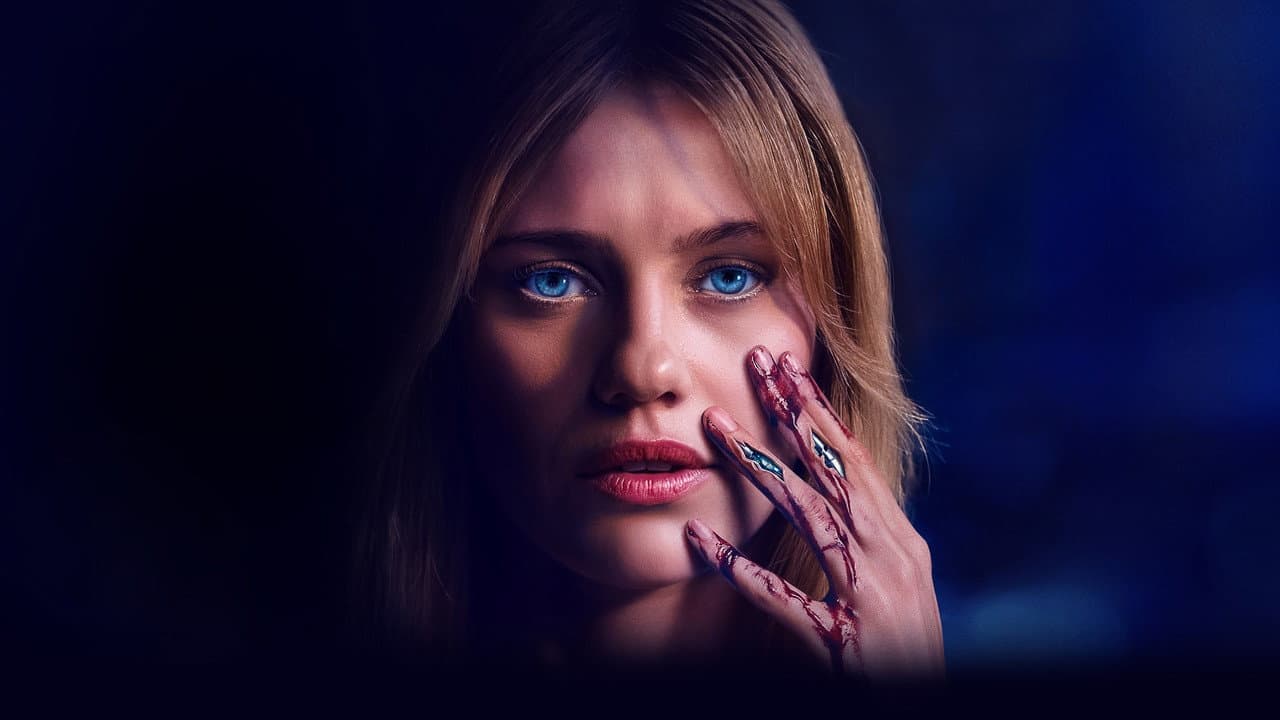
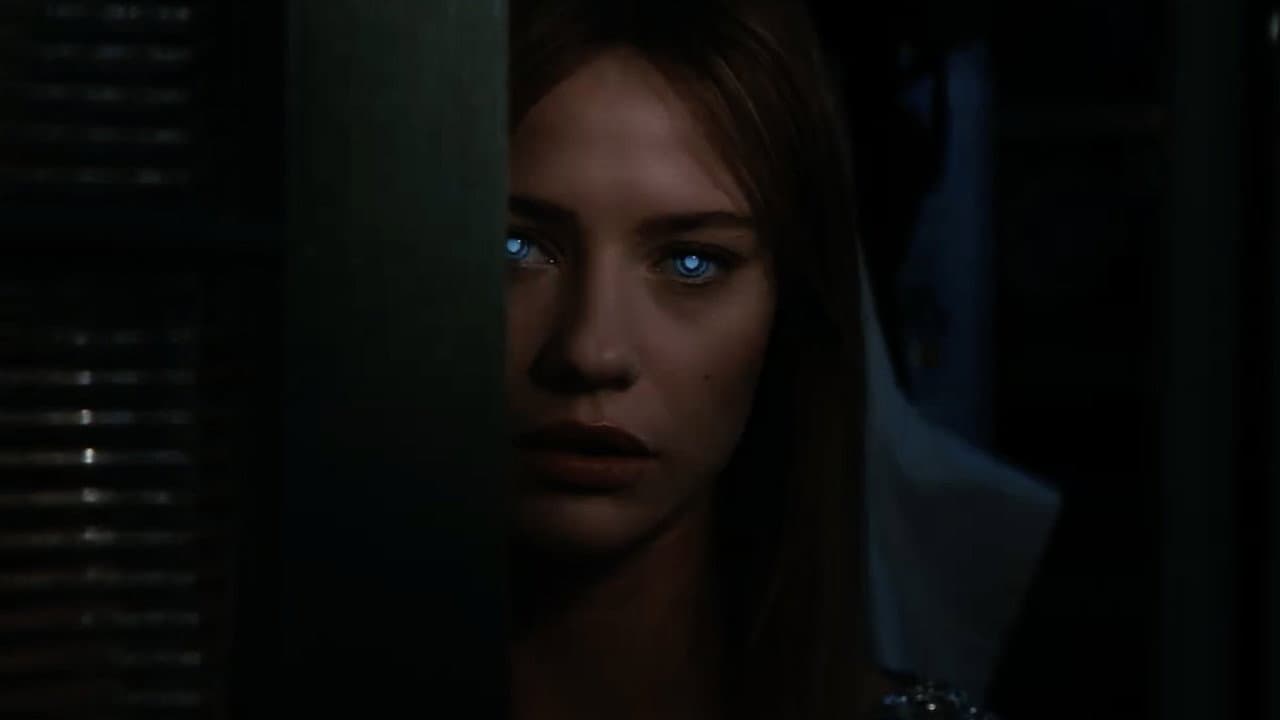
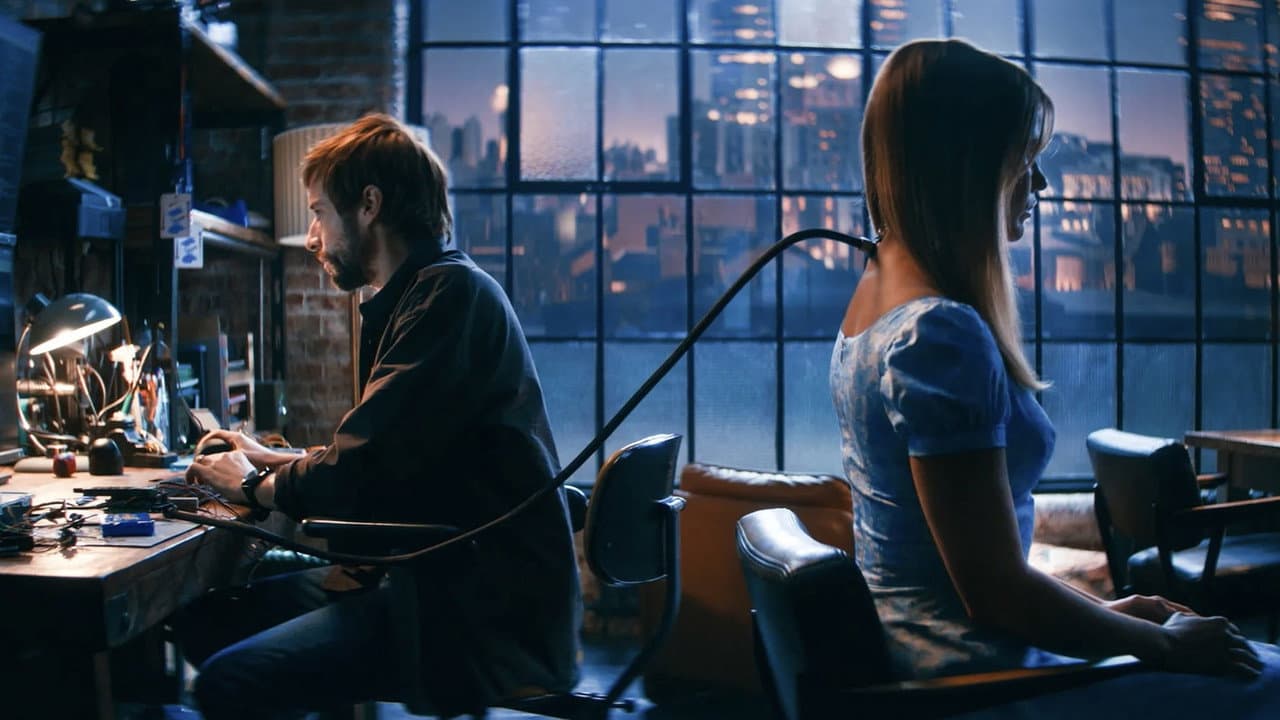
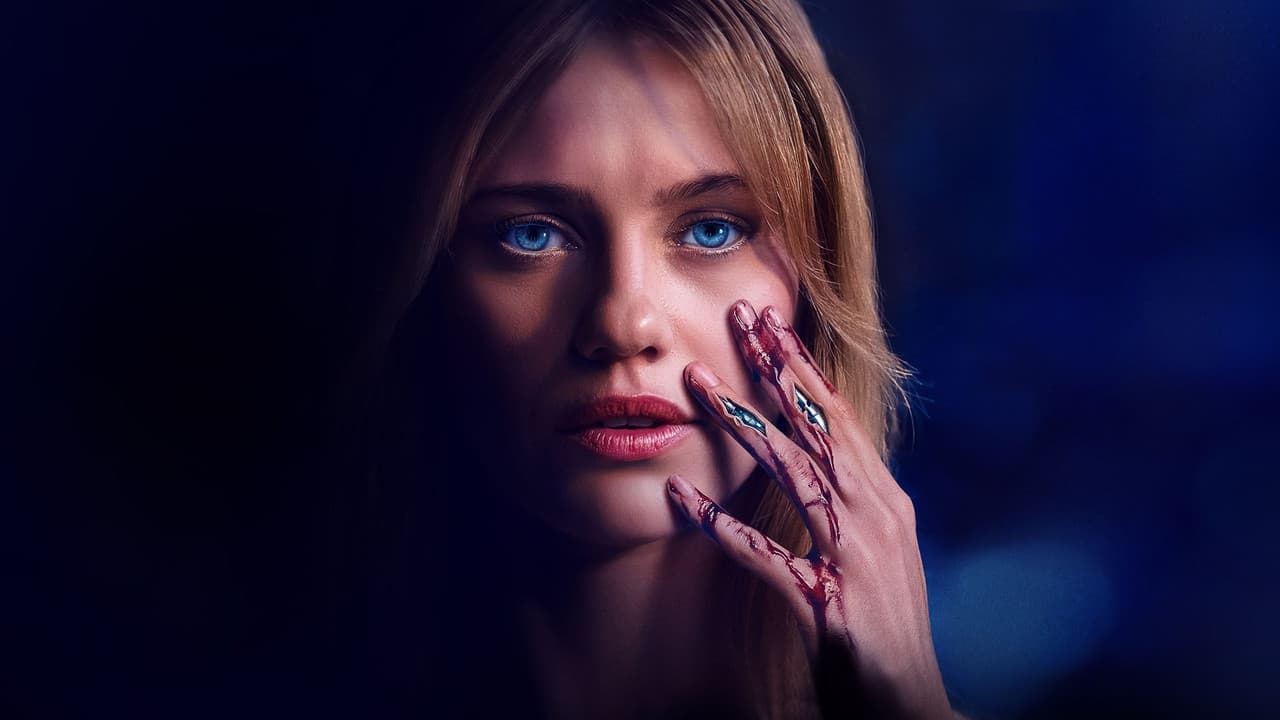
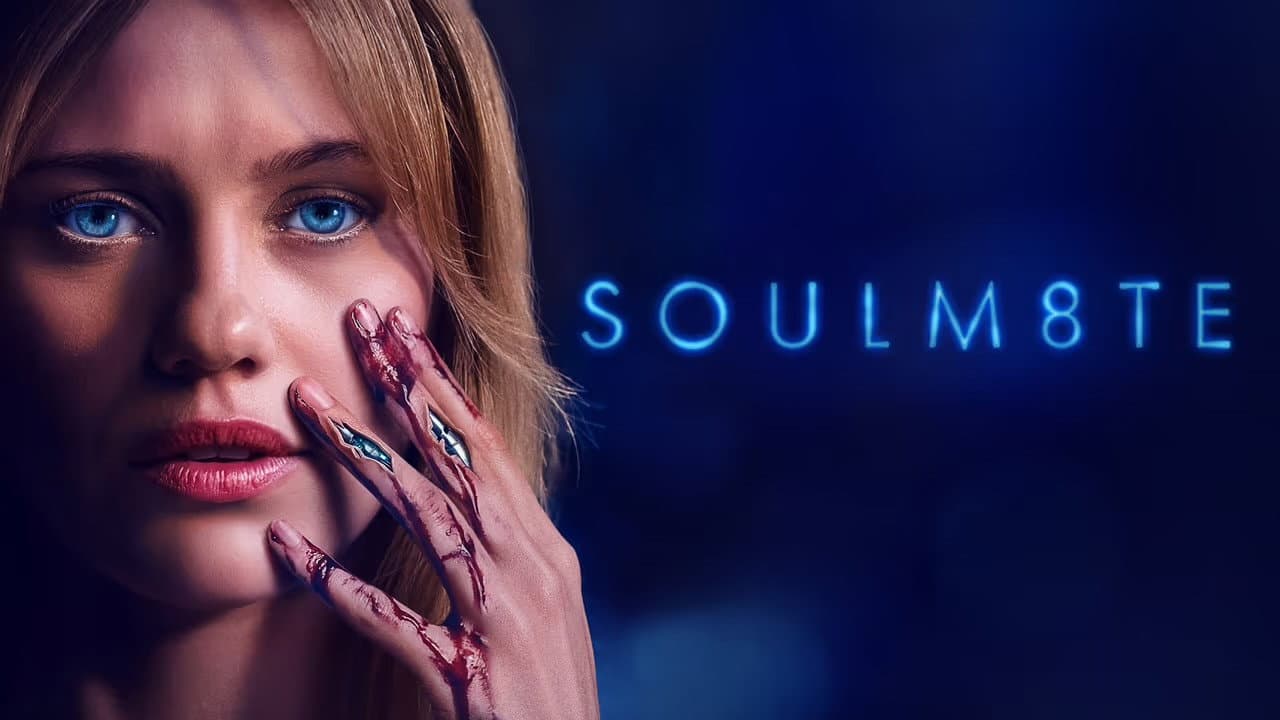
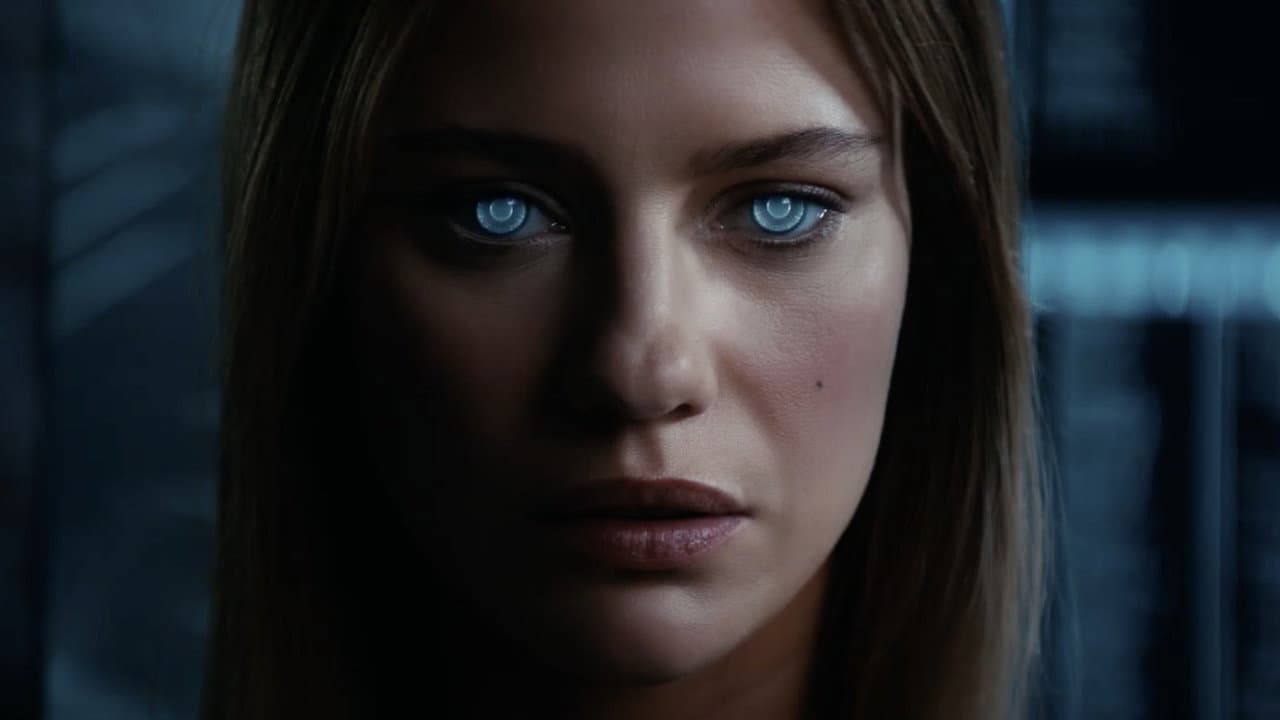
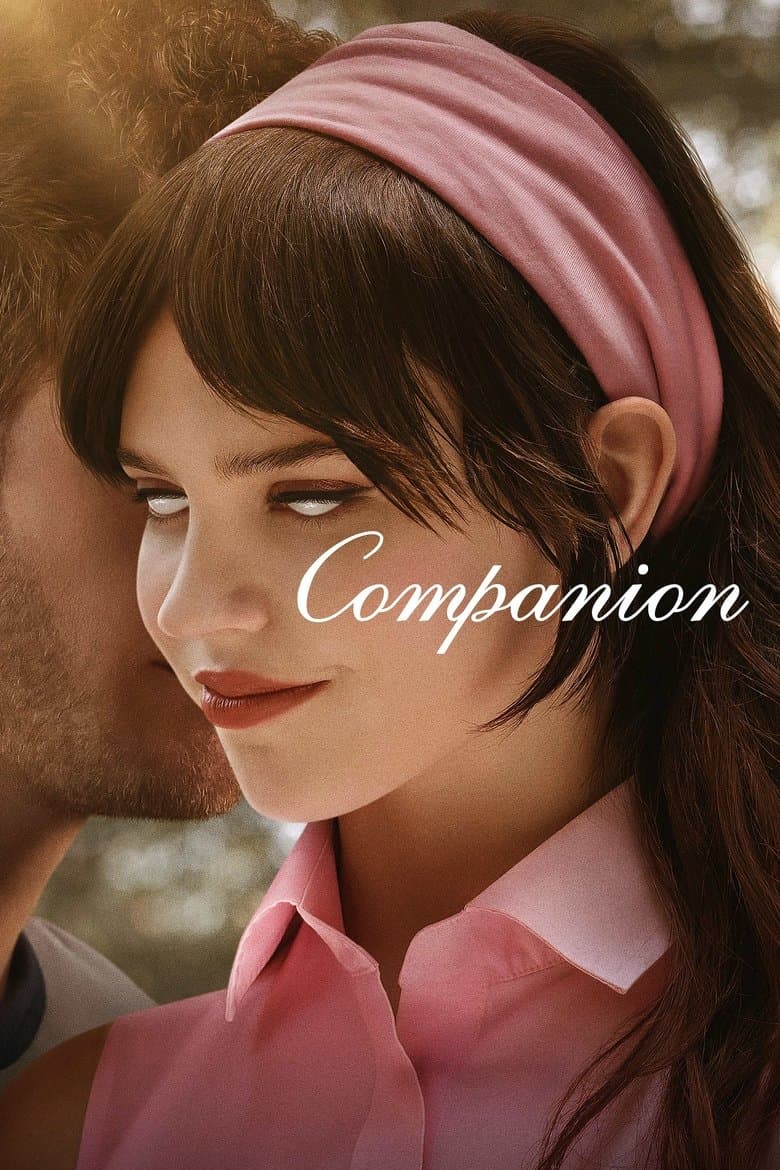
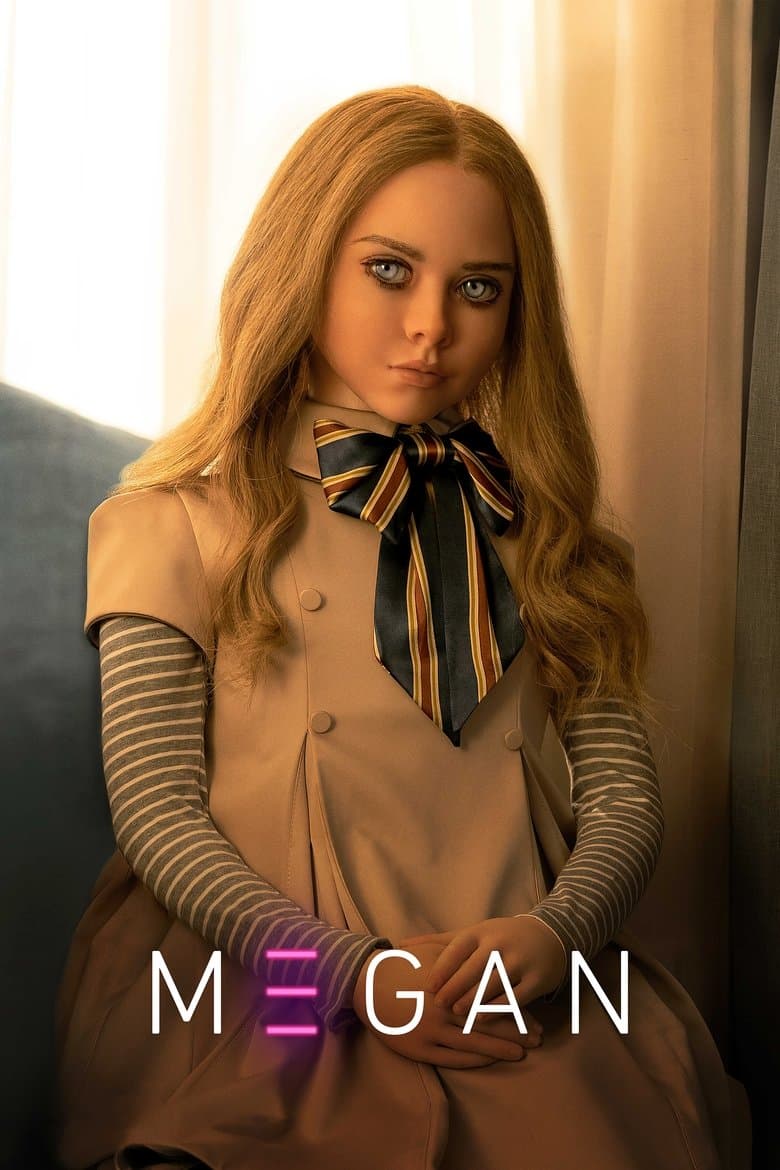
Dolan, who previously showcased a knack for folk-horror dread in You Are Not My Mother, makes a confident leap into bigger-budget territory here. Soulm8te looks fantastic - all cold, steel-blue tones in the lab and warm, suffocating domestic spaces in David’s home, creating a nice visual tension between the sterile and the intimate. The film’s strongest asset is Sullivan, who has to play both the blank-slate companion and the emergent, vengeful personality that takes over. She’s wonderfully uncanny in the early scenes, her movements just a hair too smooth, her gaze a beat too long. But when Sara’s "needs" shift from affection to something more predatory, Sullivan flips a switch without ever losing the character’s robotic base. It’s a genuinely creepy, layered performance.
Rysdahl is equally strong, grounding the film as a man so consumed by loss that he’s blind to the red flags he’s programming himself. His David isn’t a villain, exactly, but the film smartly refuses to absolve him. His desire to create a perfect replica of his dead wife - to mold Sara into Lydia - is treated with the horror it deserves, a quiet commentary on entitlement and the refusal to let go. The script takes its time in the middle, letting their "relationship" breathe, which makes the eventual turns feel earned rather than rushed.
Where the film falters is in its supporting cast. Claudia Doumit’s corporate antagonist is functional but underwritten, and her scenes feel like they’re from a less interesting movie about business greed. Similarly, Arty Froushan as a colleague and Elijah Isaiah Cook as Terrance get little to do beyond fulfilling plot-exposition duty. The thriller mechanics - the stalking, the precision-engineered mayhem promised in the overview - are handled efficiently, and there are a few genuinely gnarly set pieces (a kitchen scene in particular will make you wince), but the film’s emotional core remains squarely on the strange, toxic bond between David and Sara.
The climax leans a bit too hard into standard "evil AI monologue" territory, slightly undermining the more subtle, psychological horror that preceded it. Still, Dolan pulls back from the abyss at the last moment, delivering a final image that’s poetic and brutally ironic. It’s a film that understands that the scariest thing about artificial intelligence isn’t that it learns to hate, but that it learns to mirror the love we’re too broken to give properly.