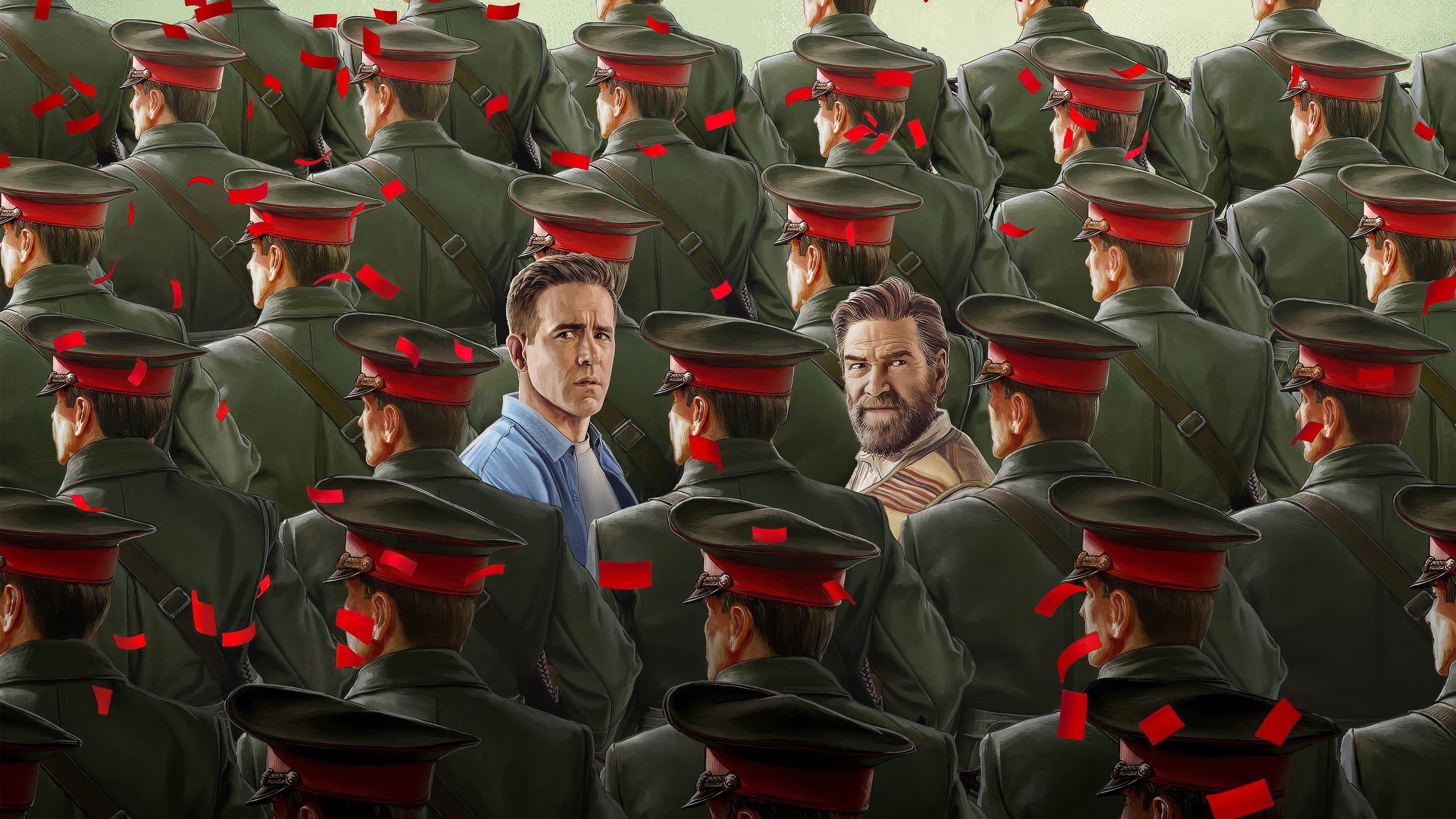
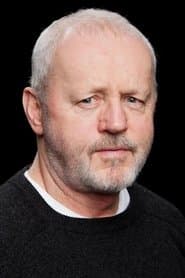
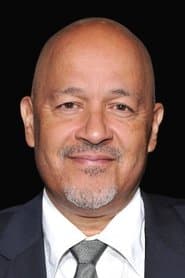
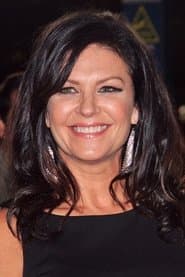
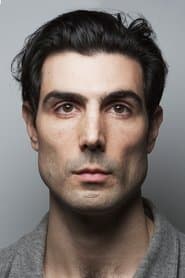
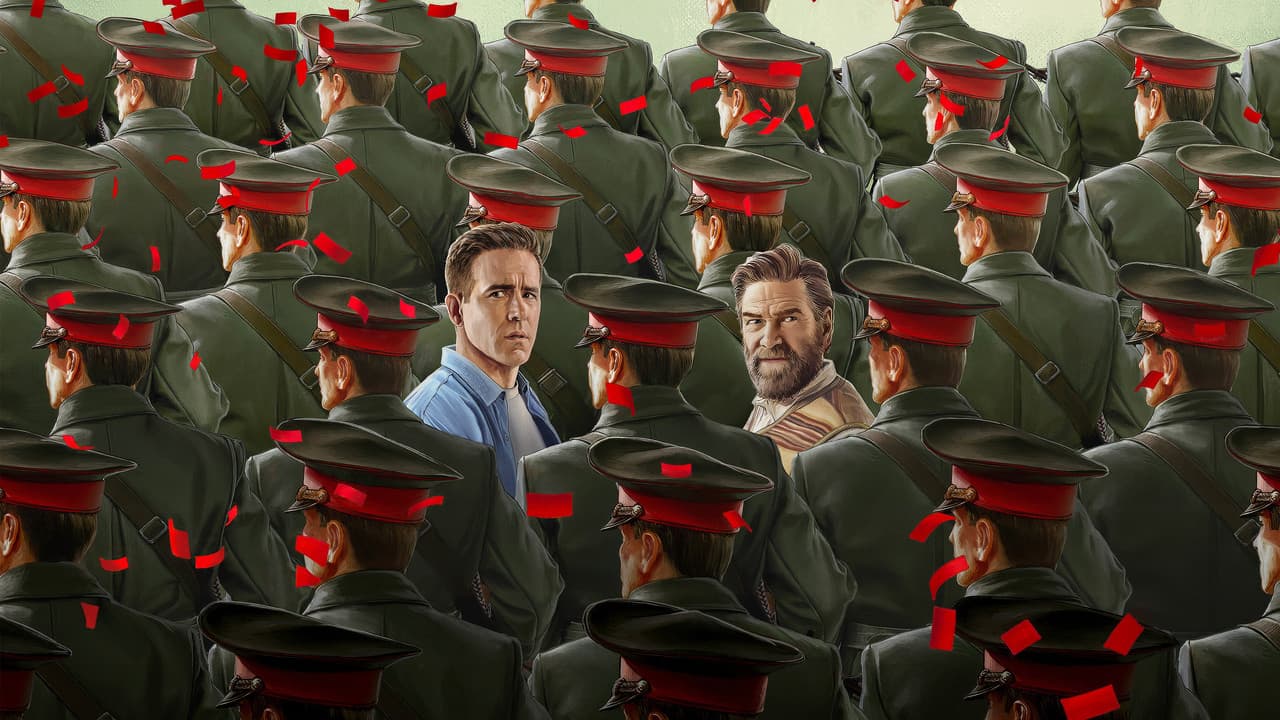
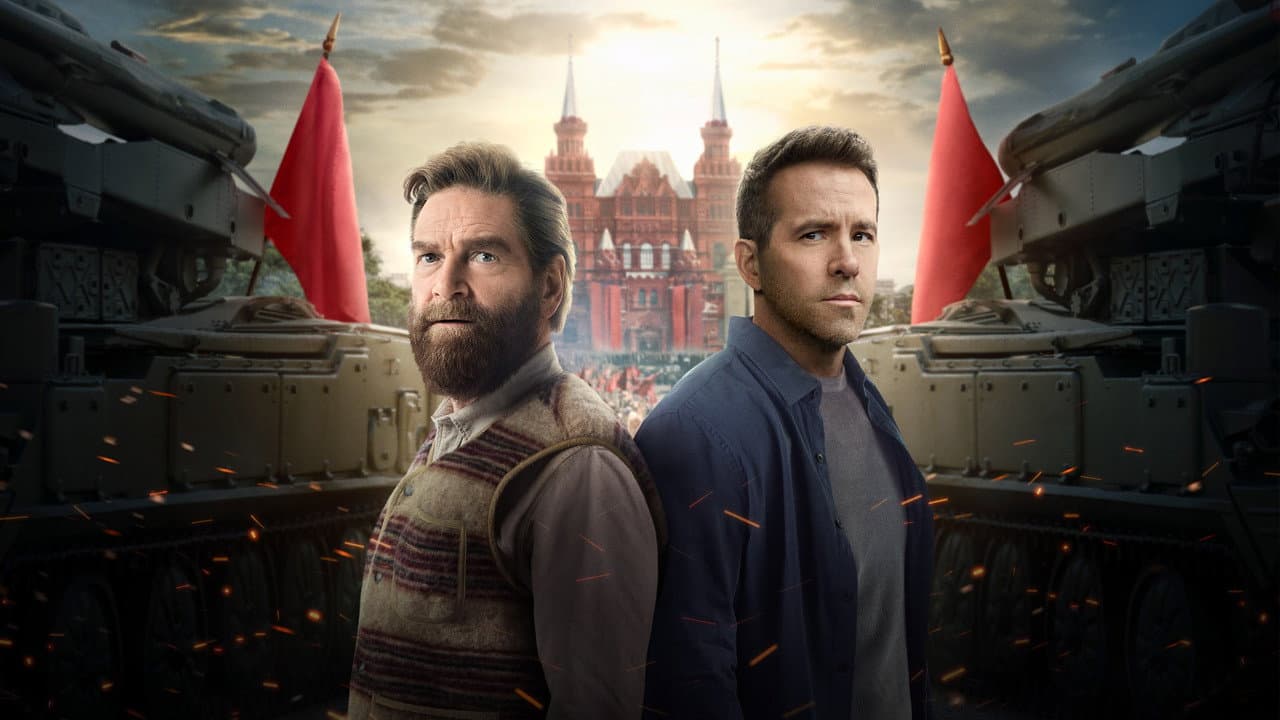
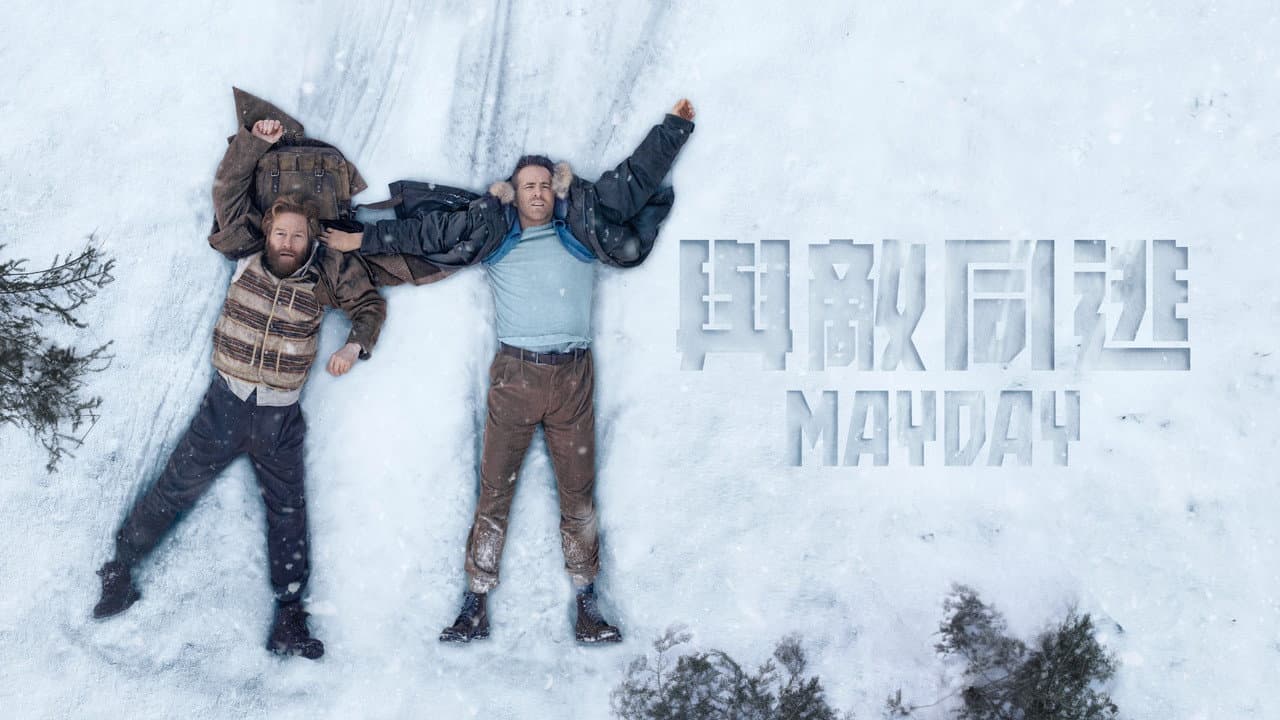
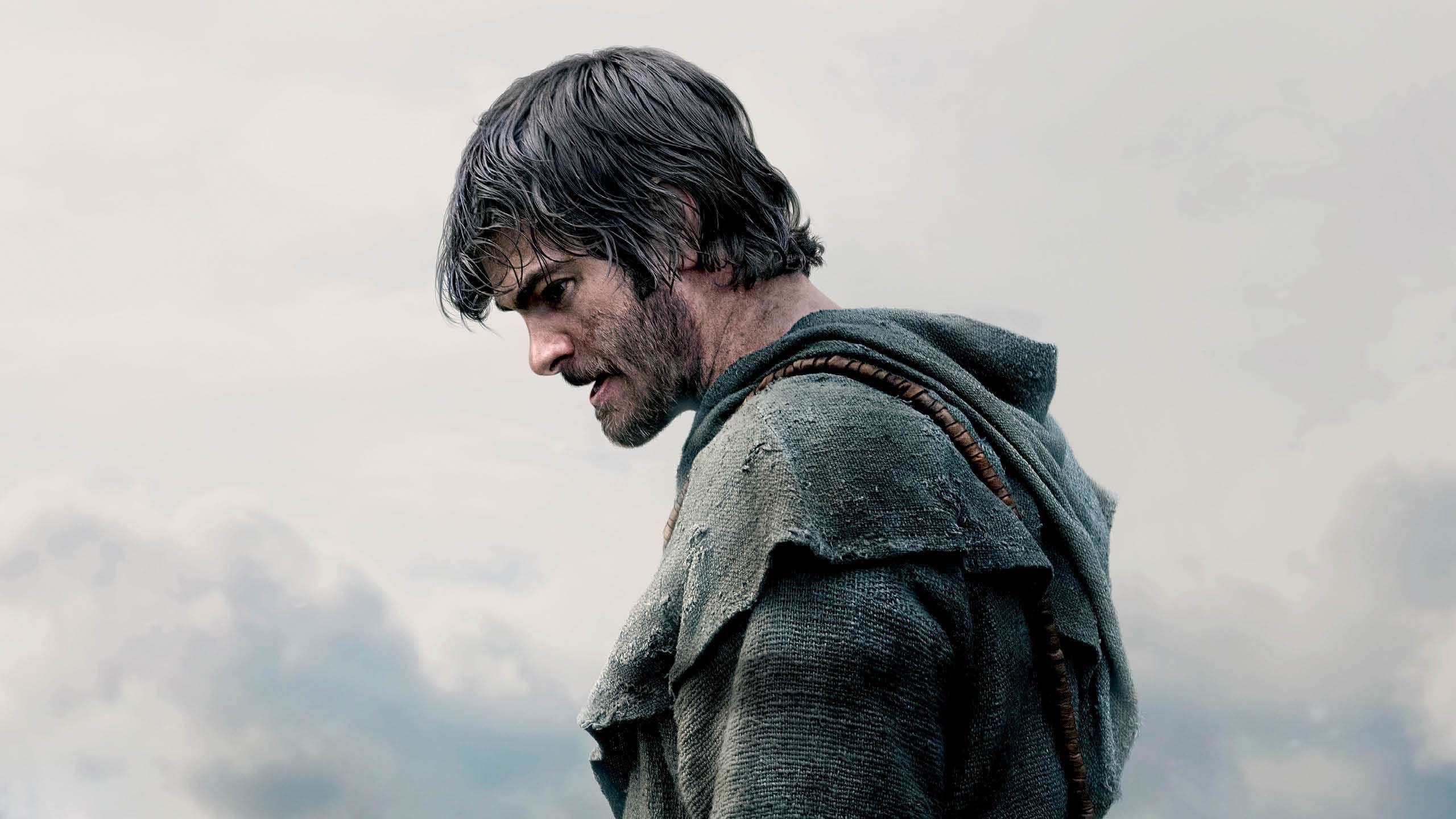
Goldstein, who co-directed the Jumanji reboots, knows his way around blockbuster chemistry, and he wisely lets his leads loose. Reynolds is doing his signature shtick - sarcastic, self-aware, and slightly wounded - but it fits Troy’s arrogance like a glove. His desperation to maintain his cynical shield while his situation grows increasingly dire provides the film’s emotional undercurrent. Branagh is the real treat, clearly relishing the chance to play a theatrical, vodka-soaked curmudgeon. His Nikolai is a man of grand speeches and broken dreams, and his scenes with Reynolds crackle with a genuine, adversarial energy that fuels the comedy. Maria Bakalova, so brilliant in Borat Subsequent Moviefilm, is somewhat underserved; Anna is the obligatory smart, practical one, but she gets few moments to shine beyond delivering exposition with weary-eyed patience.
The action sequences, when they arrive, are competently staged and surprisingly physical. A mid-film chase through a Soviet military depot is tense and inventive, leaning on practical stunts over CGI weightlessness. However, the script - a patchwork of predictable beats - never quite decides if it’s a genuine thriller or a full-blown parody. One scene will feature a genuinely tense standoff; the next, a cartoonish sound effect accompanies a guard getting knocked out. This tonal whiplash is the film’s biggest weakness. It doesn’t satirize the spy genre so much as it stumbles into parody then retreats, leaving moments that feel disjointed rather than cohesive.
The historical backdrop is treated with the depth of a textbook cover illustration. The Soviets are mostly monosyllabic brutes, and the geopolitics are simplified into a black-and-white playground for the stars. While Reynolds and Branagh are magnetic enough to distract from the narrative potholes, the middle act meanders through repetitive “let’s escape, no let’s argue” sequences. It feels padded, as if the editors were scrambling to reach the 110-minute mark. The finale, while satisfying in a buddy-movie way, relies on an absurdly convenient coincidence that would make even the most forgiving viewer roll their eyes.
Ultimately, Mayday works best when it ignores its own plot. The chemistry between a fast-talking capitalist and a long-winded communist philosopher is a rich vein of comedy, and the film mines it well. Branagh’s monologue about the failure of utopia versus Reynolds’ flippant retort is a comedic highlight. Yet for every sharp exchange, there’s a groan-worthy pun or a chase scene that feels cut from a different movie. It’s a film caught between two masters, trying to be a crowd-pleasing actioner and a character-driven comedy, and never synthesizing the two.