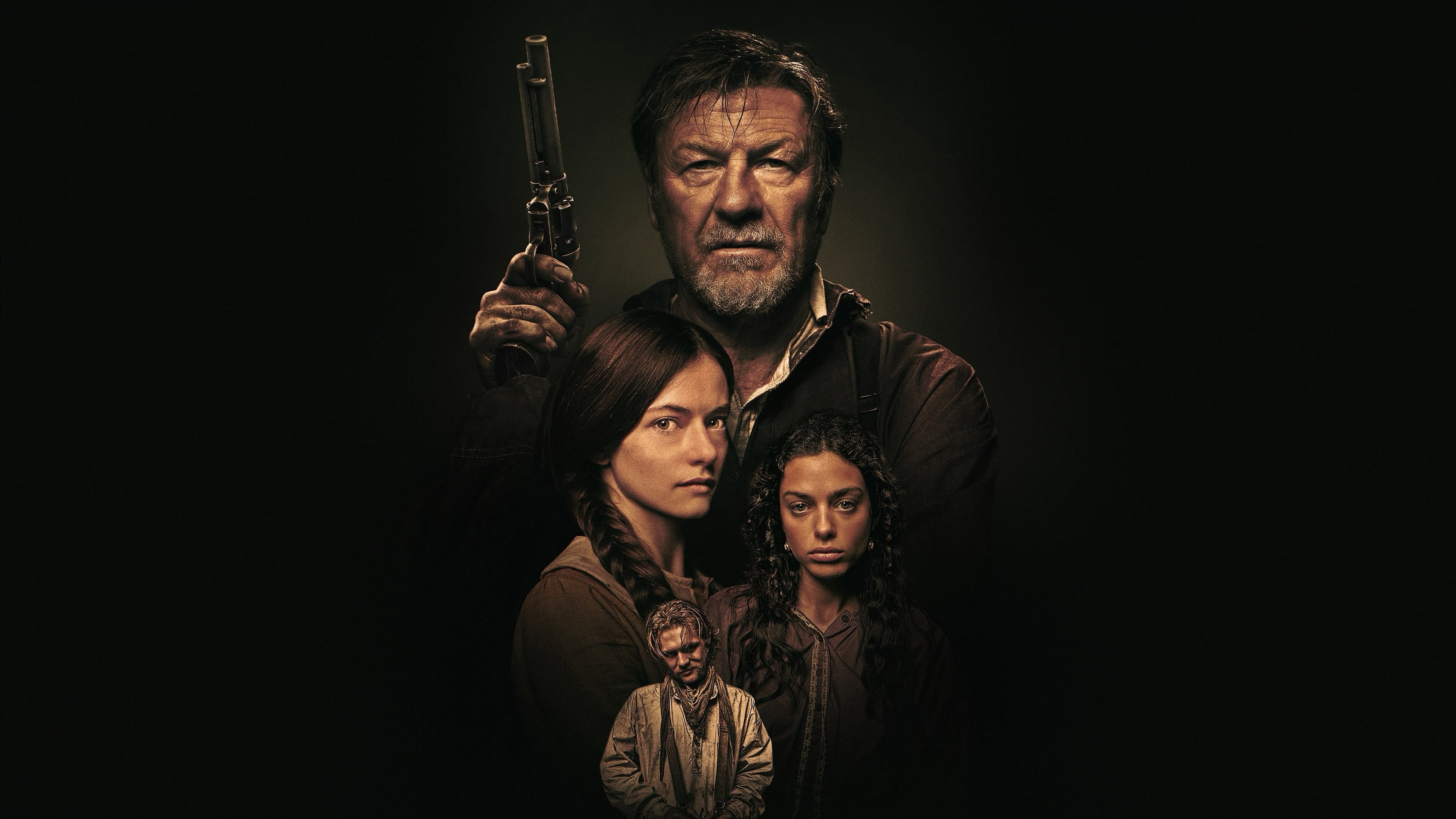
The premise sounds almost like a sick joke. You’ve just pulled off the heist of a lifetime, a single, gleaming moment of triumph in a brutal world, and then the door slams shut. You are trapped. Not in a bank vault or a speeding train, but in a remote, dust-choked outpost where the men you’ve robbed are now the only law for a hundred miles. That is the exquisite, claustrophobic tension at the heart of John Suits’s new Western thriller, The Isolate Thief, which began streaming on OTT Stories this past July and has quietly become one of the most talked-about genre pictures of the summer.
Loosely translated from its thematic essence, the title is a promise: this is a story about the terrifying mathematics of isolation. Mackenzie Foy stars as Ada Horn, a young woman whose initial act of desperate courage - lifting a cache of gold from a gang of violent outlaws - immediately curdles into a waking nightmare. The gang, led by a trio of unforgettable villains, doesn’t just want their gold back; they want to make an example of her. They take over the outpost, turning her sanctuary into a hunting ground. The film’s 95-minute runtime is a masterclass in sustained dread, a ticking clock where every creaking floorboard and shifting shadow could be her last.
Suits, a director known for wringing maximum tension from minimal space, understands that the true horror here isn’t the open desert, but the locked door. The outpost becomes a pressure cooker. Ada must not only hide the gold in plain sight but also navigate the shifting loyalties of the other residents, including a grizzled, philosophical gunslinger named “Fiddler” John Good, played with weary gravitas by Sean Bean, and the unsettling undertaker “Burial” Perry Parker, a performance of pure menace from Joe Pantoliano. They are not mere henchmen; they are predators with their own codes and agendas.
What elevates The Isolate Thief beyond a simple survival thriller is the razor-sharp chemistry between Foy and Odeya Rush, who plays Emily Moore, a fellow prisoner of circumstance. The film’s emotional core isn’t the gold - it’s the fragile, desperate alliance these two women forge in the face of overwhelming masculine violence. Foy, who has grown up on screen since her days as a child actor, delivers a performance that is all coiled energy and silent calculation. Her Ada is not a superhero; she is a tactician, using wit and observation to sow discord among her captors. The script wisely avoids easy heroics, instead showing a young woman who must bury her fear as deep as the stolen bullion.
The men are a rogues’ gallery of Western archetypes bent into new shapes. Jack Kesy’s William “Red” Baker is the volatile enforcer, a man who prefers his violence loud and personal. Ty Simpkins’s Calvin Ed is the callow youth, desperate to prove himself to men who see him as expendable. Martin Sensmeier’s Ten Charlie brings a quiet, unsettling stillness to the screen, a reminder that not all threats announce themselves. And then there is Bryan Martin’s Colonel Hardwick, the architect of the chaos, whose arrival in the film’s final act shifts the ground under everyone’s feet.
Critics have been somewhat divided, with the TMDb rating settling at a respectable 6.9/10. Some have argued that the pacing lags in the middle, as Ada’s machinations become a game of psychological chess. But to dismiss those moments is to miss the point. The film is a slow burn, building its suspense with the patient, deliberate strikes of a flint. The violence, when it comes, is sudden, ugly, and startlingly effective, a stark contrast to the simmering quiet that precedes it.
At its core, The Isolate Thief asks a compelling question: What does freedom cost when the only way to survive is to remain imprisoned with your enemies? It’s a film about the constant, exhausting performance of normalcy under impossible pressure. Ada cannot run; she can only hide in plain sight, managing the men’s egos while desperately trying to keep her secret. The gold becomes a ticking time bomb in her mind, its weight psychological as much as physical.
For those who crave a Western that feels both classic and bracingly modern in its gender dynamics, this is a rewarding find. It’s a film that looks gorgeous in its dusty, amber-toned cinematography, and sounds even better, with a spare, twanging score that amplifies the anxiety. Foy’s journey from victim to survivor is not triumphant in the traditional sense; it is hard-won, marked by compromise and casualties. As September settles in and the summer blockbusters fade, The Isolate Thief remains a gripping, character-driven reminder that sometimes the most dangerous place to be is the one that feels the safest. It’s a small, nasty gem of a movie, and it’s waiting for you to close the door.