The jungle doesn’t just swallow people. It erases the very idea of them, folding their follies into its green, indifferent maw. That’s the lesson of Jurassic World Rebirth, a film that arrived in June 2025 with a deceptively simple premise and a quietly radical execution. Five years after the locust-fueled chaos of Dominion, the world has moved on. The dinosaurs are gone, or at least, they’re supposed to be. The franchises’ greatest hits are now ghost stories, relegated to a single equatorial island where the last of the giants roam in a shrinking, poisoned ecosystem. It’s a grim setup, and director Gareth Edwards leans into it with the patience of a documentarian rather than a showman.
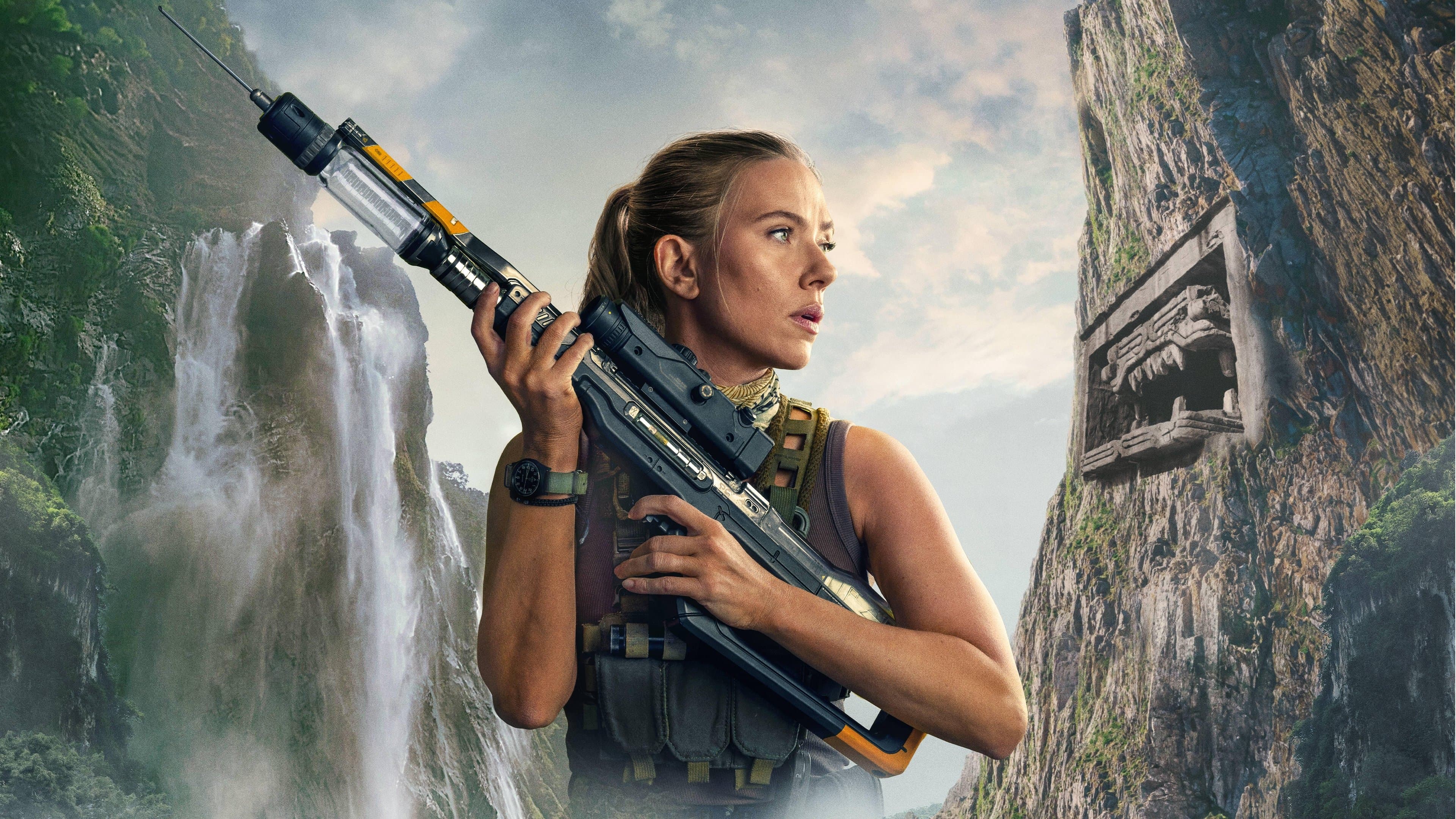
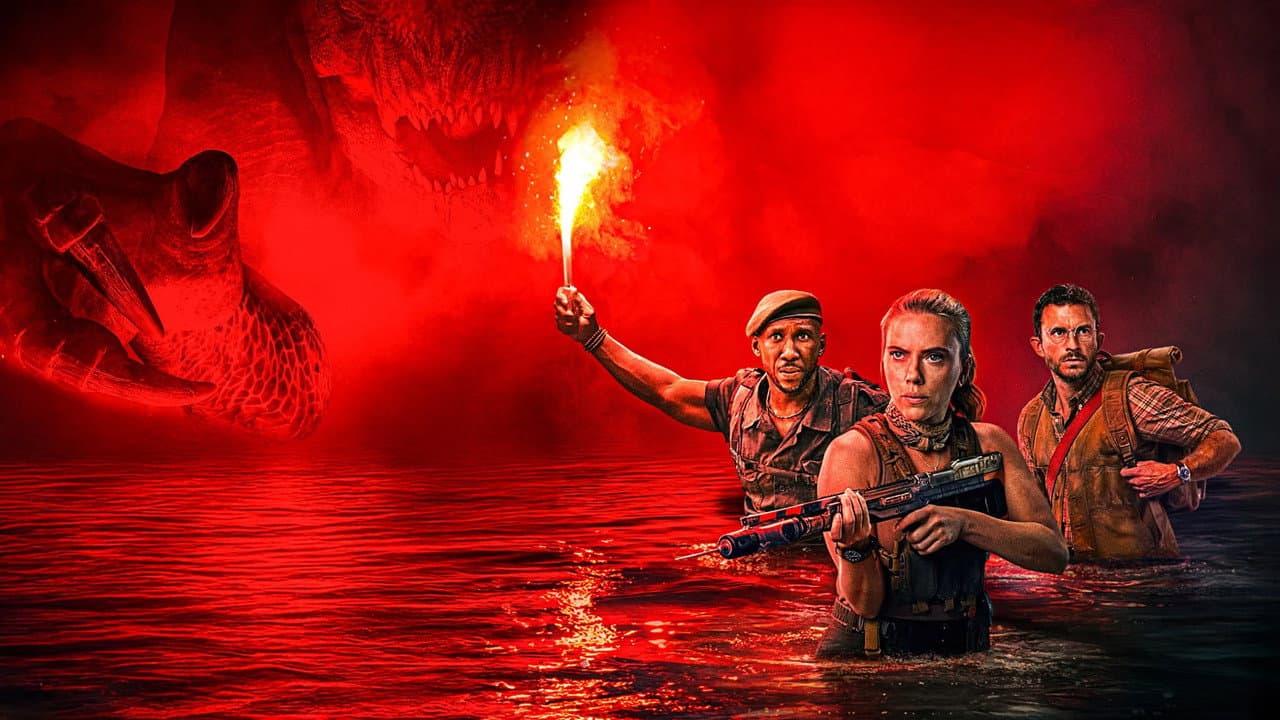
This is not a film about monsters crashing through cities. It’s a film about a salvage operation gone horribly, brilliantly wrong. Scarlett Johansson plays Zora Bennett, a covert ops specialist with the tired eyes of someone who has seen too much and the clipped efficiency of someone who wants to see it all end. She’s contracted by a biotech firm to secure genetic material from the three most massive dinosaurs left on Earth. The payday is huge. The risk is, as she mutters at one point, "just another Tuesday." Her team, led by the unflappable Duncan Kincaid (a typically magnetic Mahershala Ali), is precise, professional, and utterly unprepared for what the island holds.
The film’s engine, however, is friction. Zora’s operation collides with a civilian family - the Delgados, led by a weathered Reuben (Manuel Garcia-Rulfo) - whose sightseeing boat has been capsized by a creature of terrifying improvisation. Stranded together, the soldiers and the civilians are forced into an uneasy alliance. It’s a classic survival structure, but Edwards and the screenplay don't treat the family as mere baggage. They are the moral compass, the reminder of what’s at stake beyond corporate acquisition. The interplay between Johansson’s hard-edged pragmatism and the Delgado children’s raw terror grounds the film in something human. When Jonathan Bailey’s Dr. Henry Loomis, a paleontologist with more charm than common sense, joins the fray, the dynamic shifts from a military thriller into a more classic adventure. Bailey provides the film’s pulse of wonder, a man who is horrified and yet utterly thrilled by what the island uncovers.
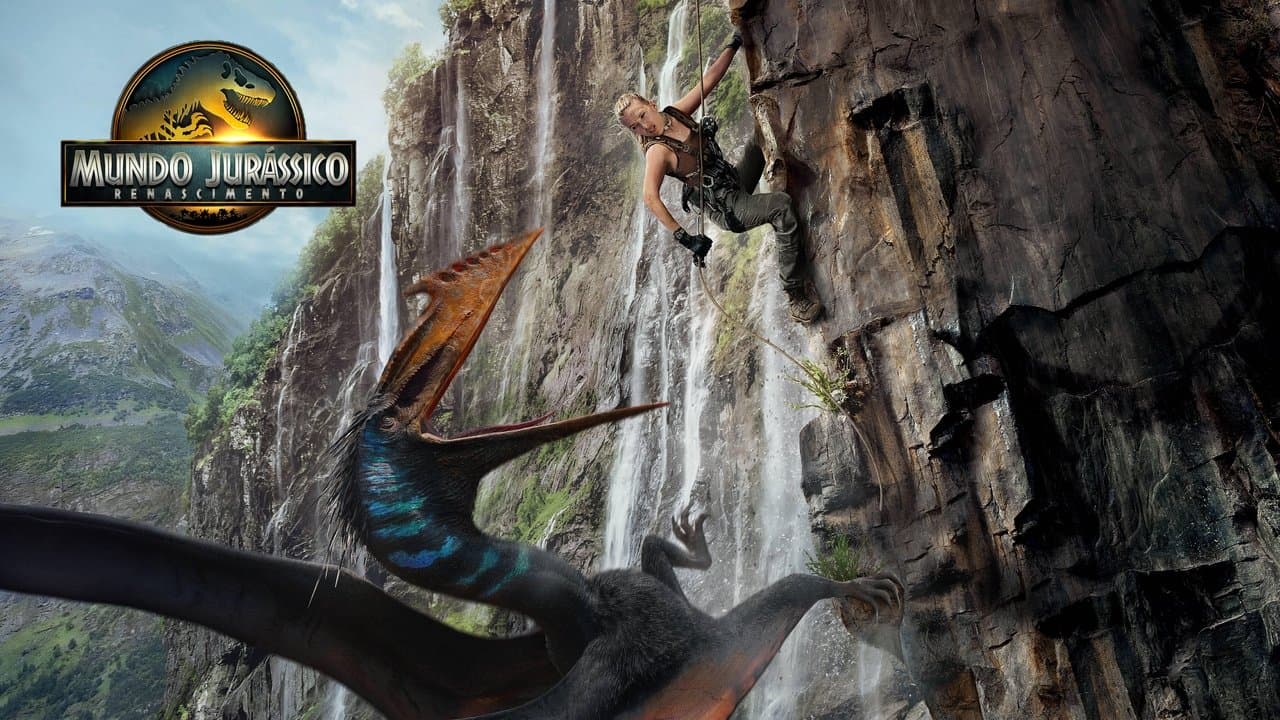
But the real star is the island. Edwards, a master of scale, treats the landscape with the same awe he brought to Rogue One. The dinosaurs are shot with a deliberate gravity, often in low light or obscured by mist, so their size feels both ancient and alien. There’s a sequence involving a river crossing that’s pure nightmare fuel - the water is black glass, and the only sound is the breath of something huge and patient. It plays less like a jump-scare fest and more like a slow, sinking dread.
Then comes the twist. The film’s marketing was smart to hold back the “sinister, shocking discovery.” Without spoiling it, let’s just say that the genetic material Zora was sent to collect is not the only thing left behind by InGen. What they find isn’t a dinosaur in the traditional sense. It’s an aberration, a piece of hubris frozen in DNA, a reminder that the original sin of Jurassic Park was never about resurrecting animals. It was about playing god and pretending there would be no consequences. The film’s final act is a masterclass in ethical horror, posing a question that lingers long after the credits roll: what right do we have to re-enter a world we destroyed? Is our curiosity a form of respect, or just a more sophisticated kind of looting?
Jurassic World Rebirth feels like a correction. Where its predecessor was a bloated globe-trotter, this is a tight, 134-minute pressure cooker. It’s less concerned with the franchise’s mythology and more with its morality. The TMDb rating of 6.258 feels about right - this isn’t a masterpiece for everyone. It’s moody, at times too quiet, and its philosophical leanings might frustrate those expecting a theme-park ride. But there’s a cinematic integrity here that’s been missing from this series for a decade. Edwards frames the dinosaurs not as attractions, but as casualties of a war we started. And when the final confrontation arrives, it’s not about who is the apex predator, but about who has the nerve to look at their own creation and say, “We were wrong.”
The performances elevate the material. Johansson is a revelation as an action lead, but she saves her best work for the quiet moments - a glance at a skeletal femur, a brief hesitation before a door opens. Ali brings a spiritual weariness to his role, a soldier who’s beginning to question the ethics of his retainer. And Rupert Friend as Martin Krebs, the corporate bagman, delivers the film’s most chilling line with a placid smile: “History is just a story we’ve decided to tell.” In a world where the past literally walks the earth, that feels less like a metaphor and more like a threat. The film doesn’t give easy answers. It gives you a lifeboat, a horizon, and the unsettling feeling that the water beneath you is deeper and darker than you ever imagined. For fans of the franchise, it’s a rebirth worth reconsidering.