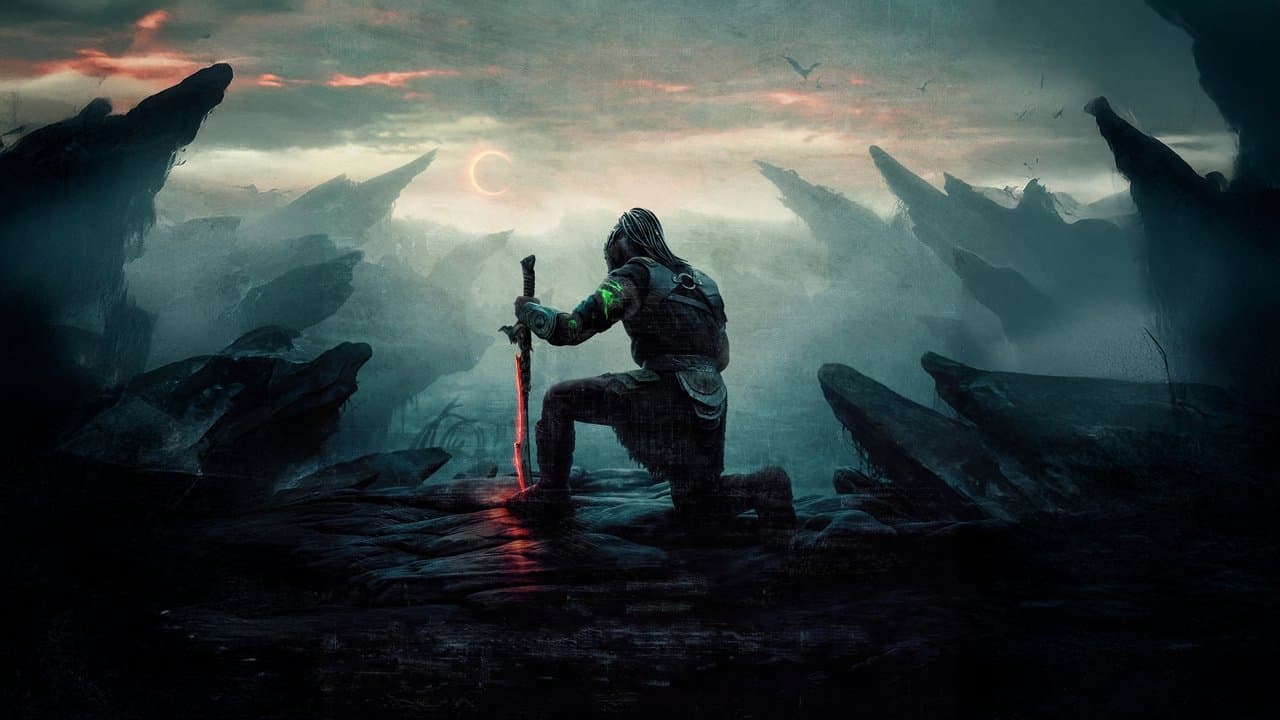
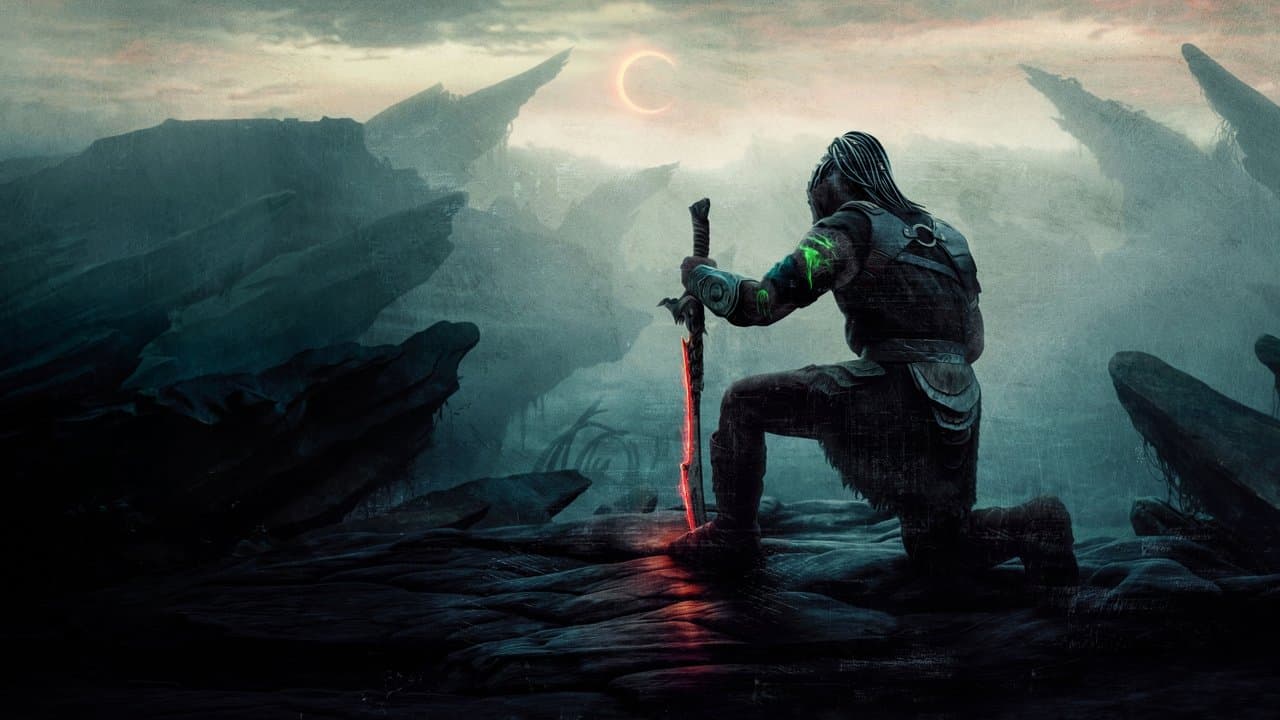
The year is 2026, and we are still talking about a movie that was quietly unleashed into the streaming ether just over nine months ago. That movie is Predator: Badlands, and if you blinked, you missed the memo that it was, in fact, the most audacious reinvention of a franchise since Prey reset the table. Directed with surgical tension by Dan Trachtenberg, this isn’t your average hunt-and-stalk affair. It’s a lonely, philosophical road movie wrapped in the skin of an intergalactic serial killer - and it works, gloriously so.
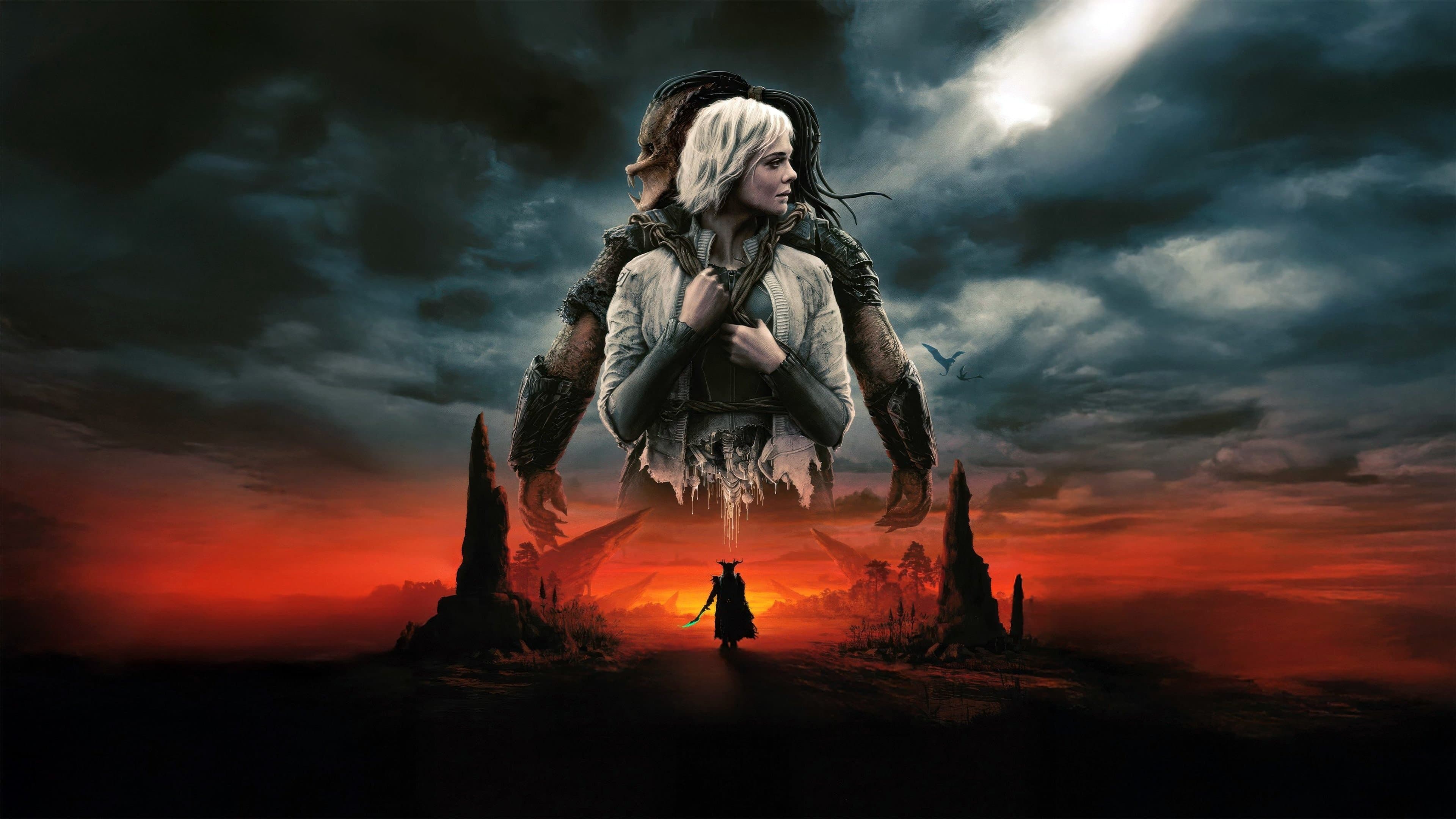
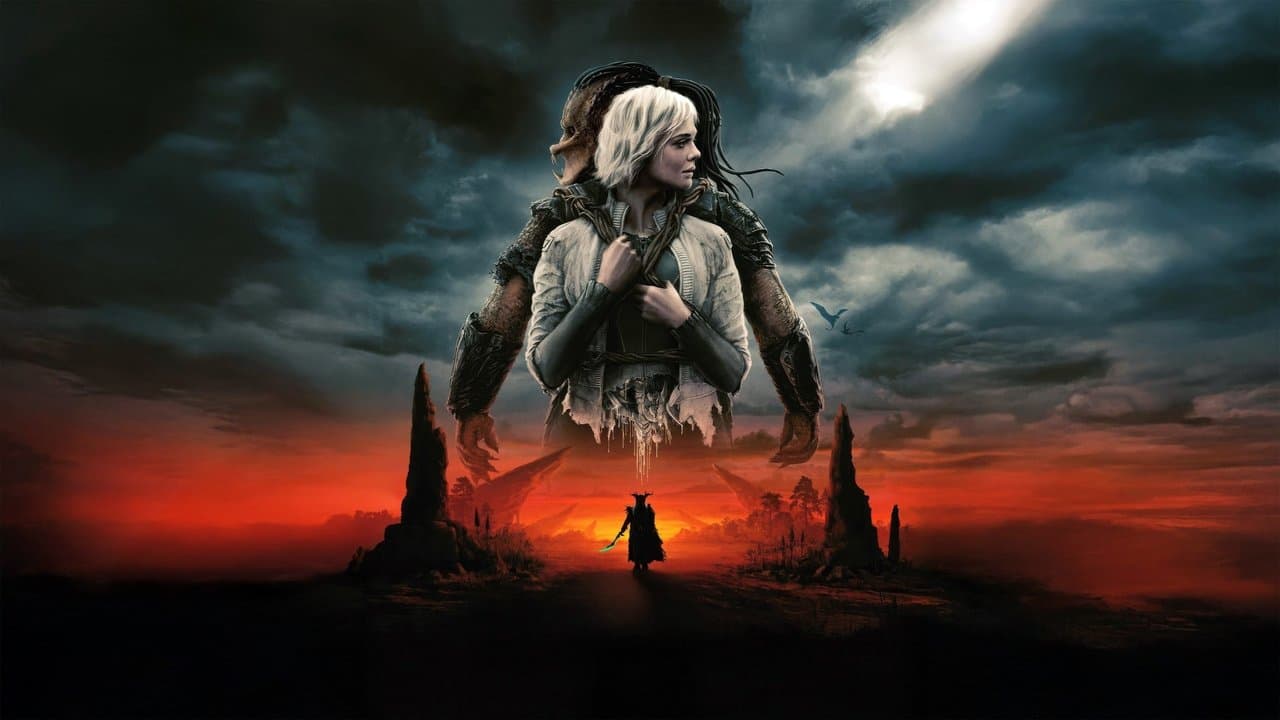
The setup is deceptively simple. We open on a ravaged frontier world, where a young Predator, having failed some arcane rite of passage, is cast out from his clan. This is not the hulking, trophy-collecting brute of yesteryear; this is a disgraced adolescent, a warrior without a war. Banished and adrift, he stumbles upon Thia (Elle Fanning), a damaged android whose memory banks are corrupted and whose purpose is as fractured as her chassis. The alliance is absurd, illogical, and utterly compelling.
Trachtenberg, who previously proved he understands the lore’s core DNA with Prey, makes a bold choice here: he strips the Predator of its menace and gives it vulnerability. We see the creature not just as a hunter, but as an outcast seeking validation. Its journey is less about the kill and more about the seeking - the film’s subtitle earns its weight as Thia and the alien traverse a treacherous, storm-ravaged badlands in search of the ultimate adversary. It’s less Aliens and more The Last of Us meets a samurai western.
The true revelation is Fanning, pulling double duty as Thia and her human counterpart, Tessa. It would be easy to phone in a synthetic performance, but Fanning gives the android a doll-like stillness that slowly fractures into something resembling grief. She is the emotional anchor, and her banter with the mostly silent Predator - who communicates through clicks, growls, and the occasional guttural translation - is surprisingly poignant. The film’s best scene occurs in a derelict fuel station, where Thia, trying to explain the concept of "home" to her alien companion, plays a distorted audio log from her past. It’s a quiet moment, devoid of action, yet more tense than any firefight.
Let’s talk about the cast around them, which is a masterclass in genre casting. Dimitrius Schuster-Koloamatangi delivers a physically imposing and deeply felt performance as Dek, a scavenger who acts as a reluctant guide, while also voicing the Father figure who haunts the Predator’s fractured memories. The motion capture work here is seamless; you forget you’re watching a digital specter. Ravi Narayan’s Bud provides the comic relief that doesn’t undercut the tension - a weary, cynical trader who just wants to get off this rock alive. And in a delightfully weird nod to fans, Alison Wright lends her voice to MU/TH/UR, the very same AI from the Alien franchise. It’s a blink-and-you-miss-it Easter egg that suggests a shared universe without beating you over the head with it.
But the real star, aside from the cinematography that makes the dusty plains look both beautiful and lethal, is the tonal tightrope walk. At 107 minutes, Badlands never overstays its welcome. It knows when to be quiet - letting the wind and the hum of the android’s servos fill the silence - and when to explode into visceral, gory action. The final confrontation, when the young Predator finally finds his "ultimate adversary," is not the climactic boss fight you expect. It’s a tragic, almost elegiac duel that redefines what victory means.
The TMDb rating of 7.826/10 feels about right. This isn’t a perfect film; the middle third sags slightly under the weight of its own philosophical musings, and some viewers might find the pacing too slow for a summer action blockbuster. But that’s precisely its charm. Predator: Badlands is a thinking person’s monster movie that understands its audience is smarter than the average popcorn flick. It asks us to sympathize with a creature designed to terrify us, and against all odds, it succeeds.
For those who missed it in theaters - and honestly, who saw it on the big screen given its quick pivot to streaming - now is the time to catch up. This is the kind of feature that rewards a second viewing, where you notice the subtle color grading between Thia’s memories and her reality, or the way the Predator’s mandibles twitch when it feels something akin to affection. In a landscape of endless sequels and reboots, Badlands stands as a testament that old stories can still feel new when you have the courage to break the mold. Don’t let this one slip into the shadows.