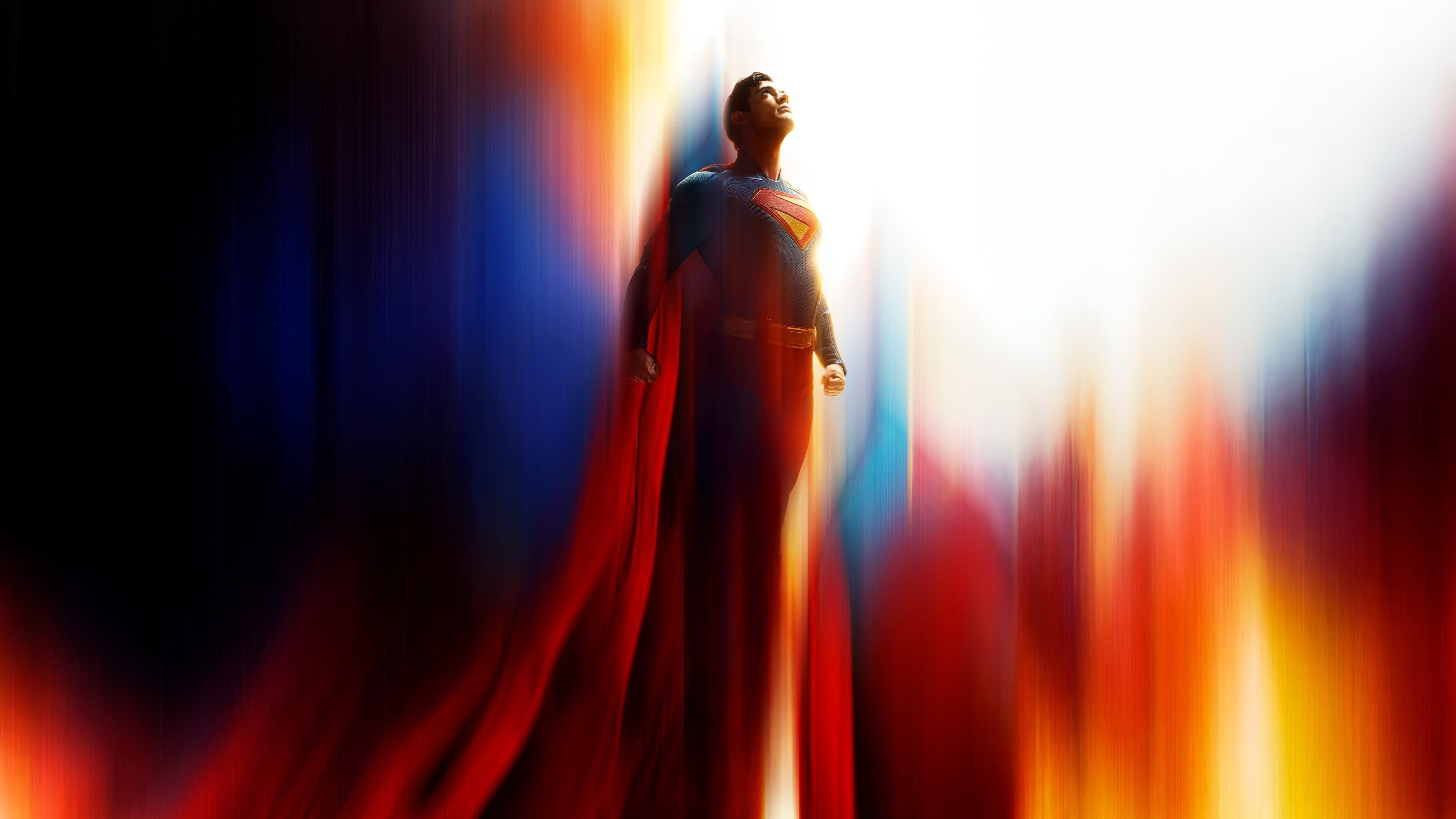
The last time audiences truly felt the weight of Superman’s cape, they were watching a brooding alien wrestle with existential dread. That was then. This is now. And now, according to James Gunn’s 2025 reboot, is a very different kind of cacophony - one where the Man of Steel isn’t just fighting monsters, but the messy, contradictory business of being both a god and a guy from Kansas. The film, which landed in theaters on July 9, 2025, and has since become a streaming heavyweight on OTT Stories, doesn’t ask you to believe a man can fly. It asks you to believe he can feel torn in two.
David Corenswet steps into the red boots with a physique that looks carved from marble, but it’s his eyes that do the heavy lifting. This Superman is a journalist first, a hero second - or perhaps it’s the other way around, and that’s exactly the point. The film opens not with an explosion, but with a quiet moment in a cramped Metropolis newsroom, where Clark Kent’s glasses feel less like a disguise and more like a shield. Gunn, working from his own script, understands something crucial: the character’s greatest superpower was never heat vision or super-strength. It’s the ability to hold two truths at once - Krypton’s dying legacy and the wholesome, aching humanity of the Kent farm.
That internal collision drives every set piece here. When Superman clashes with the Engineer, played with icy precision by María Gabriela de Faría, the CGI is dazzling but secondary. The real battle is happening inside his head. Who does he save first? Whose rules does he follow? He’s a son of two worlds, and neither one fully claims him. Corenswet captures that anguish without turning the film into a therapy session. He’s charming, genuinely funny in his Clark Kent bumbling, and then devastatingly sincere when he talks to his mother’s ghost - or, in one breathtaking scene, to a dying child trapped in a collapsed building.
Rachel Brosnahan’s Lois Lane is not a damsel, nor is she merely a plot device with a notepad. She’s the film’s emotional and intellectual anchor, a Pulitzer-hunting firecracker who figures out Superman’s identity not through happenstance but through relentless deduction. Their chemistry feels lived-in, a slow burn that never resorts to melodrama. This Lois knows Clark is Superman before he admits it, and she loves him anyway - not despite the alien side, but because of the human one he chose.
The villainous landscape is refreshingly crowded. Nicholas Hoult’s Lex Luthor is a cocktail of Silicon Valley smugness and old-money grievance. He doesn’t hate Superman because he’s alien; he hates him because Superman makes humanity feel obsolete. Hoult plays him with a nervous, twitchy energy that suggests a man who has never lost a chess match and cannot compute a draw. Opposite him, a rogue’s gallery of DC heroes and anti-heroes fills the margins: Edi Gathegi’s Mr. Terrific is all stoic brilliance, while Nathan Fillion’s Guy Gardner brings a welcome blast of macho douchebaggery that nearly steals the movie. Isabela Merced’s Hawkgirl gets fewer lines than you’d want, but her presence signals a shared universe that feels lived-in rather than corporate.
At 130 minutes, the film is lean by modern blockbuster standards, yet it never feels rushed. Gunn paces it like a thriller, cutting between corporate boardroom conspiracies and aerial dogfights with a rhythmic confidence. The action sequences are inventive - one mid-air rescue involving a crashing plane and a faulty parachute will have you holding your breath - but the quieter moments land harder. A conversation between Superman and a dying Lex, a whispered apology to Jonathan Kent’s grave, a silent dinner with the Kents where nobody says the obvious. These scenes are where the movie earns its TMDb rating of 7.329. It’s not a perfect score, but it’s a respectable one, and it speaks to a film that aims for genuine feeling rather than empty spectacle.
What’s most striking, revisiting this on OTT Stories, is how timely the central metaphor feels. In an era of hyper-polarized identity politics, here is a being who is literally two things at once, and the world demands he choose a side. The government wants to regulate him. The public wants to worship him. Lex wants to dissect him. And Superman, in his most radical act, simply refuses to be defined by any of it. He is a Kryptonian raised by humans, and that hybridity is not a weakness - it’s the entire point of his existence.
The film’s final act, which I won’t spoil, pivots on a choice that is both epic and intimate. It’s the kind of ending that leaves you satisfied but thoughtful, pondering what it means to be good in a world that rewards cynicism. Corenswet’s Superman watches the sunrise over Metropolis, and for a split second, you see both the farm boy and the last son of Krypton. Gunn has delivered a superhero film that isn’t ashamed of its hero’s optimism. In 2026, that feels almost revolutionary. In any year, it feels like hope.