There’s a particular kind of silence that settles over a man who has nothing left to destroy. For Frank Castle, that quiet has been a foreign country for most of his adult life. But in The Punisher: One Last Kill, director Reinaldo Marcus Green dares to ask what happens when the war is over - and the soldier doesn’t know how to come home. The answer, clocking in at a lean 51 minutes, is the most intimate and unsettling chapter in the Punisher saga yet.
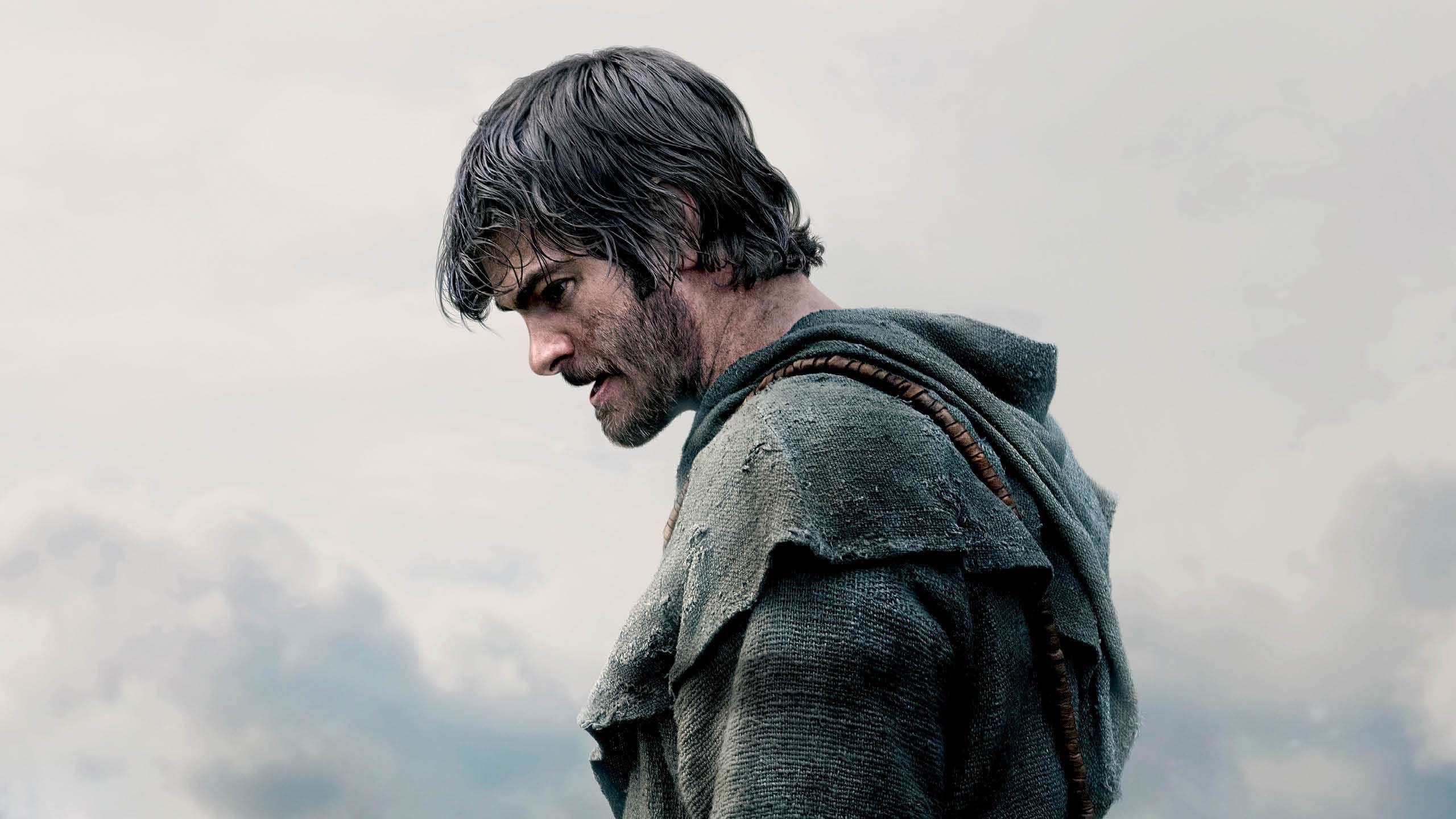
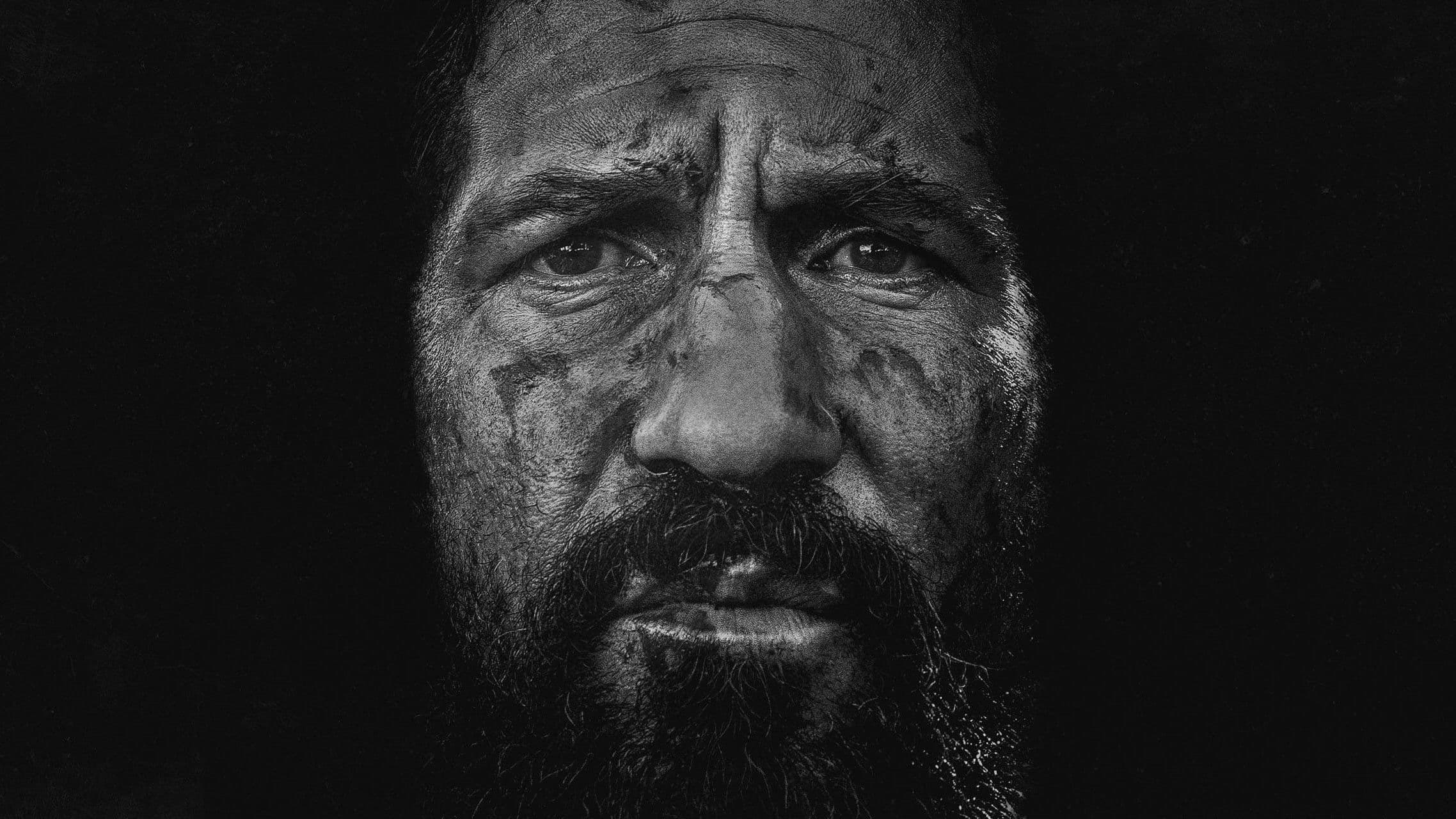
Jon Bernthal returns, of course, all sinew and scar tissue, but this isn’t the feral avenger we’ve seen before. The opening sequence finds Frank in a dimly lit VA clinic, staring at a form that asks for his "occupation." He writes "nothing." It’s a small beat, but Bernthal makes it land like a gunshot. The film, released on May 12, 2026, doesn’t waste time with rooftop sniping or warehouse massacres. Instead, it gives us a man who has voluntarily laid down his weapons, only to find that memory is a far more relentless enemy.
The inciting incident arrives in the form of a ghost from a life he thought he’d buried. Karen Page, played with frayed, desperate warmth by Deborah Ann Woll, shows up at his door with a look he knows all too well - the look of someone who needs a monster. A local crime syndicate has resurfaced, threatening a witness in a case that could expose a network of corruption reaching into the city’s veterans’ hospitals. It’s a story that’s personally venomous to Frank: the exploitation of old soldiers, men he considers his own.
But here’s where One Last Kill diverges from the formula. Frank doesn’t say yes. He says no. Repeatedly. Curtis Hoyle (Jason R. Moore), ever the pragmatist, tries to reason with him. "You’re not a therapist, Frank," Curtis says. "You’re a hammer. And right now, you’re trying to convince yourself you’re a pillow." It’s a line that cuts to the bone, and Bernthal’s reaction - a subtle twitch of the jaw, a flicker of something that could be shame - shows a vulnerability we’ve rarely seen. The film’s genius is in making the action secondary to the moral calculus.
The supporting cast elevates this from a TV movie into a proper character study. Judith Light is chilling as "Ma," a matriarchal crime boss who runs her operation with the calm efficiency of a hospital administrator. She doesn’t see Frank as a threat; she sees him as a tired dog that’s lost its bite. Andre Royo, as a greasy fixer named Dre, provides the film’s grim comic relief, while John Douglas Thompson’s "Old Vet" serves as a spectral presence - a man who shows Frank the future he’s trying to avoid: hollow, bitter, and still living on a pension of rage.
Green’s direction is patient to a fault, favoring long takes of Bernthal’s face over the usual kinetic editing. The runtime flies by, but it never feels rushed. There’s a remarkable sequence where Frank visits the grave of his wife, Maria (Kelli Barrett, appearing in haunting flashback). He talks to her not about vengeance, but about the feeling of "being a man without a gear." It’s a quiet, devastating scene that recontextualizes all the violence that follows.
Because make no mistake - the violence does come. When Frank finally agrees to help, it’s not a triumphant return. It’s a relapse. The action, when it arrives, is brutal and brief, like a clenched fist opening to reveal broken glass. A warehouse fight against a dozen of Ma’s men is choreographed not with balletic grace, but with the clumsy, exhausting weight of a man who hurts himself as much as he hurts others. He doesn’t fight like he’s reclaiming his purpose; he fights like he’s punishing himself for ever thinking he could escape it.
The title, One Last Kill, is a lie we let him tell himself. Karen knows it. Curtis knows it. And deep down, so does Frank. The final scene, which I won’t spoil, is a masterclass in ambiguity. It doesn’t offer redemption. It offers a choice. As the credits roll, you’re left with the unsettling feeling that Frank Castle isn’t a hero or a villain - he’s a recurring fever that this world keeps producing.
With a TMDb rating of 8.3, audiences have clearly responded to this more introspective take. It’s a bold swing for a character often defined by his body count. In a landscape of bloated superhero epics, One Last Kill is a potent reminder that sometimes the most explosive story is the one about a man finally asking himself why he can’t stop pulling the trigger. The answer is ugly, but the film is beautiful.